
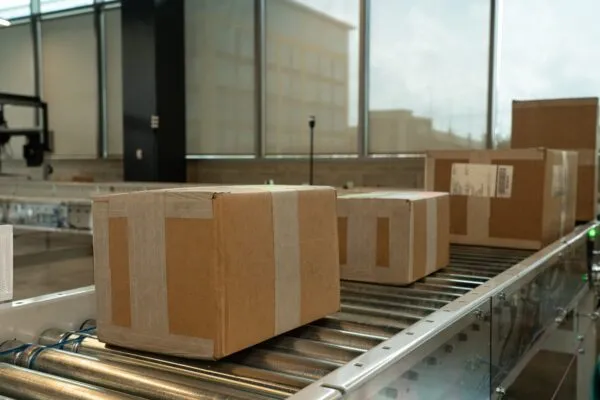
Package Handling
DCS’s design and engineering team has more than 40 years of experience creating unique parcel handling systems for diverse customer applications. With installations including semi-automated handling in small city distribution centers and fully automated, integrated hubs with advanced conveyor and sorter equipment, DCS routinely thinks outside the box.
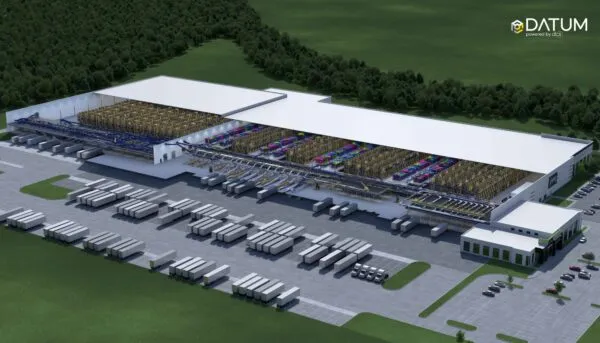
E-Commerce and Multi-Channel Fulfillment
DCS designs and implements end-to-end warehouse automation solutions for e-commerce and multi-channel retailers that address numerous workflow challenges. This includes solutions for receiving, putaway, storage, replenishment, order fulfillment, picking, packing, sortation, and outbound shipping. Our custom integrated warehouse, distribution, and fulfillment systems draw from a deep pool of conventional, semi-automated, and automated material handling technologies.
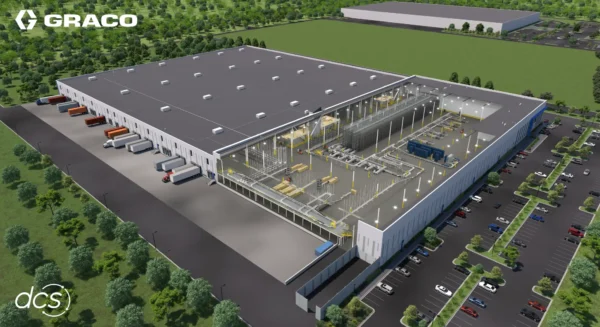
Various Distribution Applications
Whether an operation is considering the construction of a new distribution or fulfillment center, or a retrofit or expansion of an existing facility, it’s important to create a solution that fits the overarching supply chain strategy. DCS has four decades of experience designing and integrating comprehensive, end-to-end material handling solutions that meet a multitude of operational goals. Whether conventional, semi-automated, or fully automated, DCS can help your organization implement a custom solution that meets its goals while maximizing return on investment (ROI).

Supply Chain Consulting
The DCS Supply Chain Consulting team offers a range of services to help your operations address the challenges it faces. Working in partnership with you, DCS consultants analyze your business data- existing workforce, workflow processes, inventory, order data, operations, and more- to determine a strategy that addresses your unique needs. Whether you need an operations assessment, process improvement recommendations, or distribution design services, DCS consultants will help guide you to the material handling system or operational solution that best meets your current and future needs, as well as your budget.

Customer Support
Keeping your warehouse operations and material handling systems running smoothly and at the peak of productivity are the goals of DCS’ Customer Service Team. By partnering with DCS, your warehouse automation solution is supported from commissioning to end of life. You’ll receive comprehensive in-house training of your personnel, including specialized training of your designated internal system expert. Plus, DCS offers a complete package of spare parts and expert system troubleshooting support from qualified engineers dedicated to your installation.

System Design & Integration
DCS offers a broad range of material handling equipment and automated system design, installation, and integration services for a multitude of projects. These include retrofits, expansions, upgrades, and more. While every project is unique, our system design and execution processes are the same, encompassing meticulous attention to detail, frequent communication, and a dedicated partnership with our clients.
Lifecycle Services
Stop reactive repairs. Lifecycle Services provides expert preventive maintenance and 24/7 technical support to protect your automation and MHE availability.

Life Science & Healthcare
Pharmaceutical, healthcare, and life science companies face mounting pressure from evolving regulatory requirements, rising fulfillment costs, and intensifying accuracy demands. In this environment, automation isn’t optional—it’s essential. Designed Conveyor Systems (DCS) helps distributors of these critical products stay compliant and competitive.

Pet Food
Pet food distribution operations are anything but standard. From bulky kibble bags to delicate fish tanks, stock keeping unit (SKU) complexity and fulfillment pressure are always on the rise. Designed Conveyor Systems (DCS) partners with leading pet retailers to design and engineer automation, software, and material handling systems that keep operations agile, accurate, and ready for what’s next.

Home Improvement
When your distribution center handles everything from hammers to hot tubs, operational complexity isn’t a challenge—it’s your daily reality. Home improvement retailers face intense pressure to meet rising consumer expectations across multiple channels—from in-store pickups to last-mile delivery. At Designed Conveyor Systems (DCS), we specialize in engineering material handling and automation solutions that help home improvement distribution centers keep pace, reduce cost, and drive accuracy at scale.

Sporting Goods
Navigating the unique demands of the sporting goods retail industry requires a distribution strategy that’s both agile and precise. From handling seasonal surges to managing a diverse range of products—from bulky equipment to small accessories—your warehouse operations are the key to a seamless customer experience. Our expertise helps sporting goods retailers streamline their distribution warehouses, improving order accuracy, boosting productivity, and ensuring your team can efficiently move products from the receiving dock to the final customer, no matter the season.
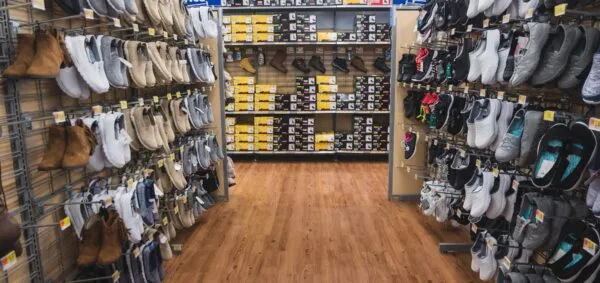
Footwear
In the fast-paced world of footwear retail requires a distribution strategy that can handle a vast array of styles, sizes, and seasonal trends with precision and speed. From managing a high volume of SKUs to ensuring accurate order fulfillment and returns processing, your distribution center is the engine that drives customer satisfaction and brand loyalty. Our expertise helps footwear retailers streamline their distribution centers, improving inventory management, accelerating order processing, and ensuring your team can efficiently move products from the receiving dock to the final customer, no matter the season.
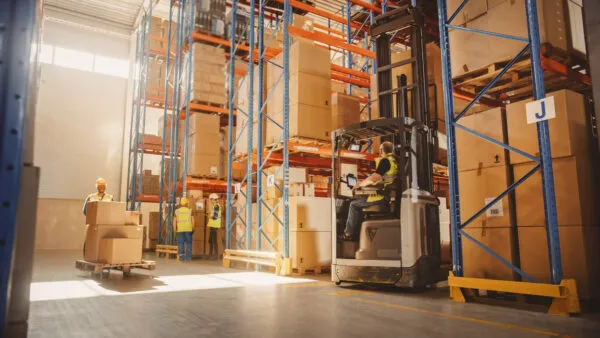
Wholesale & Industrial Distribution
Designed Conveyor Systems (DCS) partners with wholesale, industrial, and electronics distributors to design efficient, optimized fulfillment solutions. Every operation DCS designs streamlines end-to-end functional processes—from inbound receiving and putaway to picking, packing, and shipping. Designed Conveyor Systems (DCS) partners with wholesale, industrial, and electronics distributors to design efficient, optimized fulfillment solutions. Every operation DCS designs streamlines end-to-end functional processes—from inbound receiving and putaway to picking, packing, and shipping.



About Us
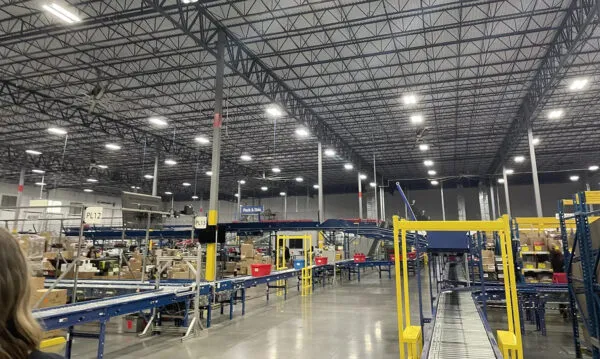
Designed Conveyor Systems (DCS) has 40 years of experience serving major clients in multiple industries by providing material handling, full-scale warehouse operations, and conveyor design solutions that are custom crafted for their needs. DCS does not sell ready-made conveyor systems but builds relationships that empower collaboration to craft custom warehouse designs together. DCS utilizes consulting, engineering design, project management, installation services, and client support to ensure our customers can keep their promises to deliver on time.
Projects
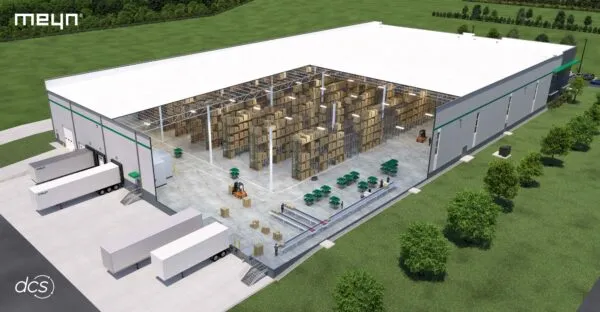
With more than 40 years of experience providing automated system design, installation, and integration services, DCS has created solutions for companies throughout the United States in a broad range of industries and markets. We’ve completed more than 1500 projects ranging from greenfield facilities with completely new systems to expansions and retrofits of existing operations.
Upcoming Events
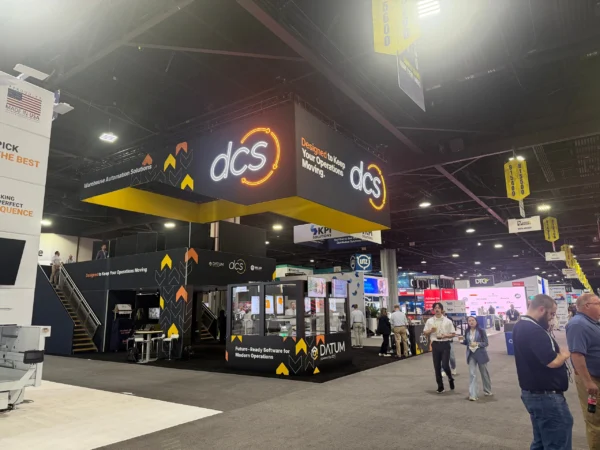
Designed Conveyor Systems values building strong relationships with our clients. Join us at our upcoming events to collaborate and discover how we can design a custom warehouse solution tailored to your unique needs.
The 4 Types of Material Handling Equipment
The 4 Types of Material Handling Equipment
What is Material Handling Equipment?
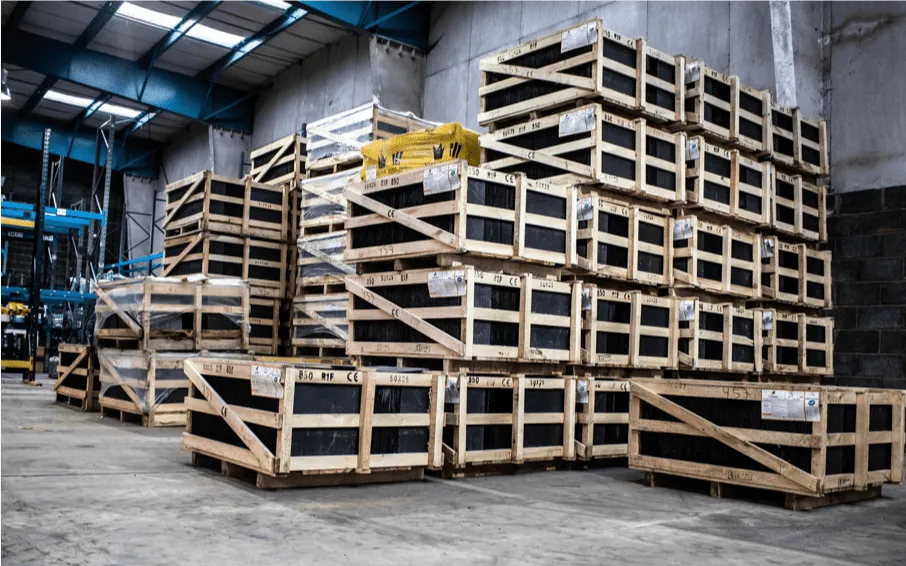
From the simplest shelf to the most complex lights-out facilities (warehouse automation that can operate in the dark), warehouses rely on a lot of different types of material handling equipment. It’s hard to keep track of every machine and device out there, but the different types of material handling equipment all fall into four broad categories.
So what are these material handling equipment types, and what exactly is material handling? Material handling is the loading, unloading, storage, and movement of goods inside a factory or warehouse, usually with the help of mechanical devices. Material handling equipment, then, is any device that helps a facility run by moving and storing products.
Type 1: Storage and Handling Equipment
This is the simplest of the material handling equipment types, and it’s so basic you might not even think of it as equipment. Storage equipment includes the shelves and racks that hold material between the time it was received and its shipment. Many of these solutions take advantage of vertical space so a warehouse can hold more inventory in the same footprint. Bins, drawers, stacking frames, flow racks, cantilever racks, and mezzanines also belong in this category.
Type 2: Bulk Material Handling Equipment
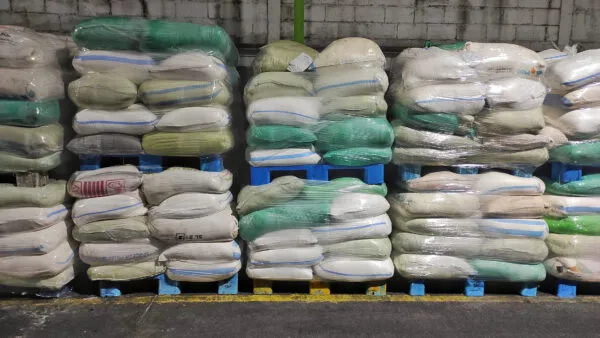
Bulk material handling equipment is built for storing, transporting, and controlling material in loose, unpackaged form. If you’re working with large volumes of material all at once, this is likely the category you need. A silo, a tall cylinder that can hold something like grain, is a classic example.
Other examples include:
- Stackers and Reclaimers: Large machines that build material into piles and pick it back up again.
- Hoppers: Picture a large metal funnel. It stores material and releases an exact quantity out the bottom.
- Grain Elevators: Buildings used to store grain. A series of buckets on a track automatically carries grain to the top of the building, where it can be funneled into different silos.
- Bucket Elevators: Similar to a grain elevator, these use buckets to lift large amounts of material.
- Conveyor Belts: Moving belts that transport material. They can be combined into more complex conveyor systems, which are considered engineered systems. If you want a conveyor system for your business, contact DCS.
- Dump Trucks: Another type of industrial vehicle used to transport bulk material.
- Screw Conveyors: A screw-shaped device inside a tube that turns to move material along.
- Rotary Car Dumpers: Machines that rotate a rail car to empty out its contents.
Type 3: Industrial Trucks
Industrial trucks are vehicles or equipment that move materials from place to place. Some are operated by workers, and some run automatically. Automatic guided vehicles (AGVs) fall under both engineered systems and industrial trucks.
Other examples are:
- Hand Trucks: Also called dollies, these simple, L-shaped devices let you carry material at a tilt.

- Side-Loaders: Used to load materials in narrow aisles where other trucks may be too wide.
- Pallet Trucks: Hand-operated or electric devices that slide into pallets to move them.
- Walkie Stackers: These lift and transport pallets much like a forklift, but without a place for the operator to ride. They come in both powered and manual versions.
- Order Pickers: Vehicles that lift a worker off the ground so they can reach high packages.
- Platform Trucks: Similar to a dolly, but with a wider platform.
- Forklifts: Vehicles used to lift and transport heavy items.

Type 4: Engineered Systems
TThe final category of material handling equipment involves more complex systems made up of multiple components, usually in the form of warehouse automation.
Examples include AGVs; conveyor belt or robotic delivery systems, which come in many shapes and sizes; and automated storage and retrieval systems (AS/RS), which often incorporate AGVs or autonomous mobile robots (AMRs) to make warehouses more efficient. Essentially, engineered systems cover anything that moves materials around the warehouse so workers don’t have to.
This is the most complicated and most expensive of the different types of material handling equipment. It often blends elements from the other three categories into larger, more expansive systems, so it takes a lot of time and research before making an investment.
A Material Handling Integrator Can Help
Your warehouse is unique and requires a unique solution. If you’re updating your current warehouse system and wondering what kind of material handling equipment you need, contact DCS. As an independent, brand agnostic material handling systems integrator, DCS designs, engineers and integrates a system tailored to your needs and specifications.