

Whether an operation is considering the construction of a new distribution or fulfillment center, or a retrofit or expansion of an existing facility, it’s important to create a material handling solution that fits the overarching supply chain strategy. DCS has four decades of experience designing and integrating comprehensive, end-to-end material handling solutions that meet a multitude of operational goals. Whether conventional, semi-automated, or fully automated, DCS can help your organization implement a custom material handling solution that meets its goals while maximizing return on investment (ROI).
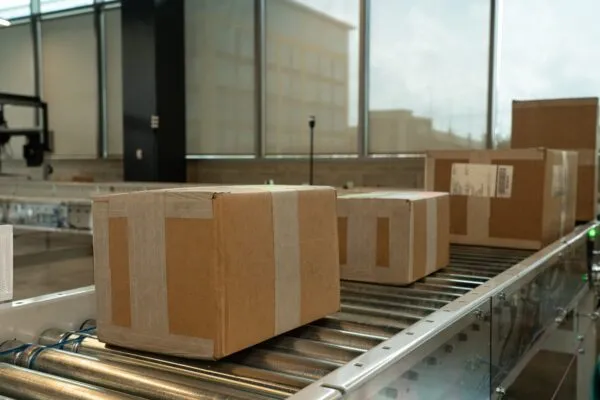
Package Handling
DCS’s design and engineering team has more than 40 years of experience creating unique parcel handling systems for diverse customer applications. With installations including semi-automated handling in small city distribution centers and fully automated, integrated hubs with advanced conveyor and sorter equipment, DCS routinely thinks outside the box.
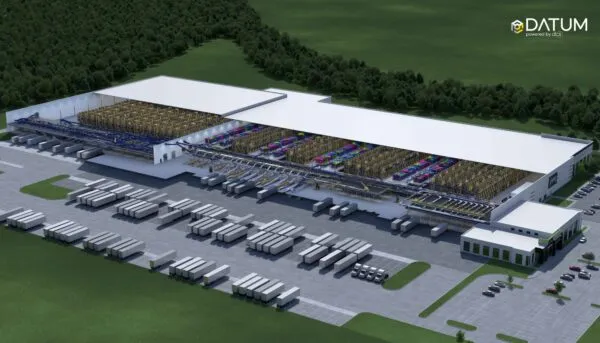
E-Commerce and Multi-Channel Fulfillment
DCS designs and implements end-to-end warehouse automation solutions for e-commerce and multi-channel retailers that address numerous workflow challenges. This includes solutions for receiving, putaway, storage, replenishment, order fulfillment, picking, packing, sortation, and outbound shipping. Our custom integrated warehouse, distribution, and fulfillment systems draw from a deep pool of conventional, semi-automated, and automated material handling technologies.
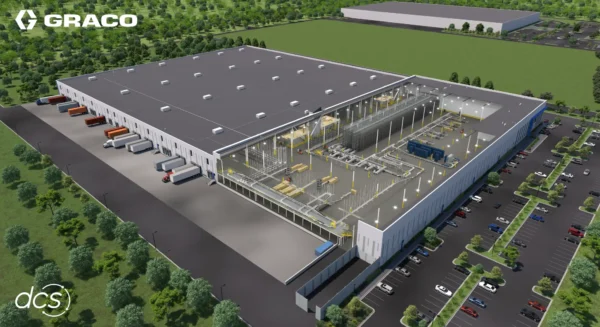
Various Distribution Applications
Whether an operation is considering the construction of a new distribution or fulfillment center, or a retrofit or expansion of an existing facility, it’s important to create a solution that fits the overarching supply chain strategy. DCS has four decades of experience designing and integrating comprehensive, end-to-end material handling solutions that meet a multitude of operational goals. Whether conventional, semi-automated, or fully automated, DCS can help your organization implement a custom solution that meets its goals while maximizing return on investment (ROI).

Supply Chain Consulting
The DCS Supply Chain Consulting team offers a range of services to help your operations address the challenges it faces. Working in partnership with you, DCS consultants analyze your business data- existing workforce, workflow processes, inventory, order data, operations, and more- to determine a strategy that addresses your unique needs. Whether you need an operations assessment, process improvement recommendations, or distribution design services, DCS consultants will help guide you to the material handling system or operational solution that best meets your current and future needs, as well as your budget.

Customer Support
Keeping your warehouse operations and material handling systems running smoothly and at the peak of productivity are the goals of DCS’ Customer Service Team. By partnering with DCS, your warehouse automation solution is supported from commissioning to end of life. You’ll receive comprehensive in-house training of your personnel, including specialized training of your designated internal system expert. Plus, DCS offers a complete package of spare parts and expert system troubleshooting support from qualified engineers dedicated to your installation.

System Design & Integration
DCS offers a broad range of material handling equipment and automated system design, installation, and integration services for a multitude of projects. These include retrofits, expansions, upgrades, and more. While every project is unique, our system design and execution processes are the same, encompassing meticulous attention to detail, frequent communication, and a dedicated partnership with our clients.
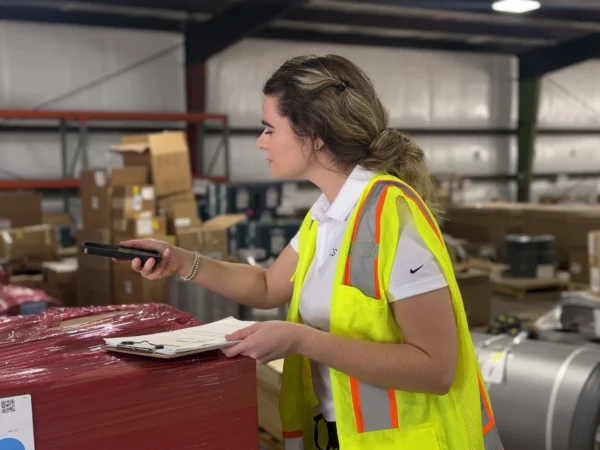
Lifecycle Services
Stop reactive repairs. Lifecycle Services provides expert preventive maintenance and 24/7 technical support to protect your automation and MHE availability.

Life Science & Healthcare
Pharmaceutical, healthcare, and life science companies face mounting pressure from evolving regulatory requirements, rising fulfillment costs, and intensifying accuracy demands. In this environment, automation isn’t optional—it’s essential. Designed Conveyor Systems (DCS) helps distributors of these critical products stay compliant and competitive.

Pet Food
Pet food distribution operations are anything but standard. From bulky kibble bags to delicate fish tanks, stock keeping unit (SKU) complexity and fulfillment pressure are always on the rise. Designed Conveyor Systems (DCS) partners with leading pet retailers to design and engineer automation, software, and material handling systems that keep operations agile, accurate, and ready for what’s next.

Home Improvement
When your distribution center handles everything from hammers to hot tubs, operational complexity isn’t a challenge—it’s your daily reality. Home improvement retailers face intense pressure to meet rising consumer expectations across multiple channels—from in-store pickups to last-mile delivery. At Designed Conveyor Systems (DCS), we specialize in engineering material handling and automation solutions that help home improvement distribution centers keep pace, reduce cost, and drive accuracy at scale.

Sporting Goods
Navigating the unique demands of the sporting goods retail industry requires a distribution strategy that’s both agile and precise. From handling seasonal surges to managing a diverse range of products—from bulky equipment to small accessories—your warehouse operations are the key to a seamless customer experience. Our expertise helps sporting goods retailers streamline their distribution warehouses, improving order accuracy, boosting productivity, and ensuring your team can efficiently move products from the receiving dock to the final customer, no matter the season.
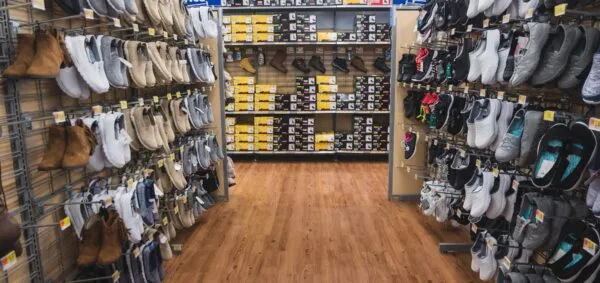
Footwear
In the fast-paced world of footwear retail requires a distribution strategy that can handle a vast array of styles, sizes, and seasonal trends with precision and speed. From managing a high volume of SKUs to ensuring accurate order fulfillment and returns processing, your distribution center is the engine that drives customer satisfaction and brand loyalty. Our expertise helps footwear retailers streamline their distribution centers, improving inventory management, accelerating order processing, and ensuring your team can efficiently move products from the receiving dock to the final customer, no matter the season.
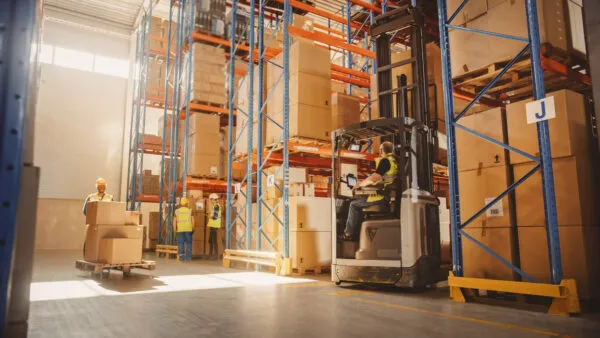
Wholesale & Industrial Distribution
Designed Conveyor Systems (DCS) partners with wholesale, industrial, and electronics distributors to design efficient, optimized fulfillment solutions. Every operation DCS designs streamlines end-to-end functional processes—from inbound receiving and putaway to picking, packing, and shipping. Designed Conveyor Systems (DCS) partners with wholesale, industrial, and electronics distributors to design efficient, optimized fulfillment solutions. Every operation DCS designs streamlines end-to-end functional processes—from inbound receiving and putaway to picking, packing, and shipping.

About Us
Designed Conveyor Systems (DCS) has 40 years of experience serving major clients in multiple industries by providing material handling, full-scale warehouse operations, and conveyor design solutions that are custom crafted for their needs. DCS does not sell ready-made conveyor systems but builds relationships that empower collaboration to craft custom warehouse designs together. DCS utilizes consulting, engineering design, project management, installation services, and client support to ensure our customers can keep their promises to deliver on time.
Projects
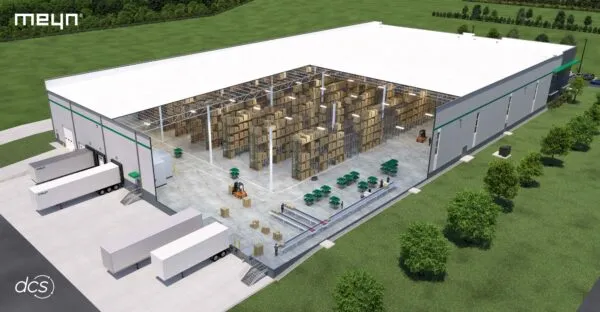
With more than 40 years of experience providing automated system design, installation, and integration services, DCS has created solutions for companies throughout the United States in a broad range of industries and markets. We’ve completed more than 1500 projects ranging from greenfield facilities with completely new systems to expansions and retrofits of existing operations.
Upcoming Events
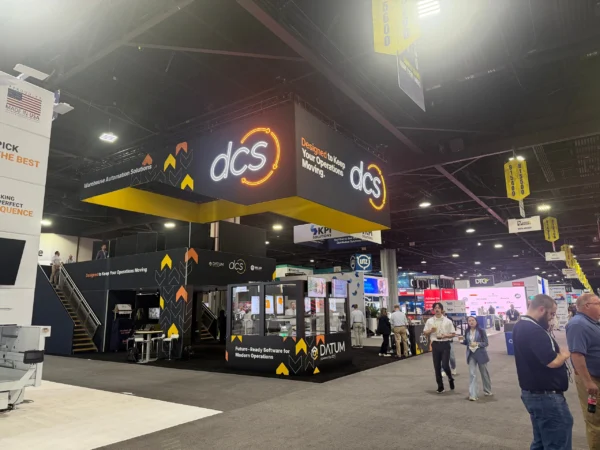
Designed Conveyor Systems values building strong relationships with our clients. Join us at our upcoming events to collaborate and discover how we can design a custom warehouse solution tailored to your unique needs.
Various Distribution Applications
Material Handling Solutions for Every Distribution Application
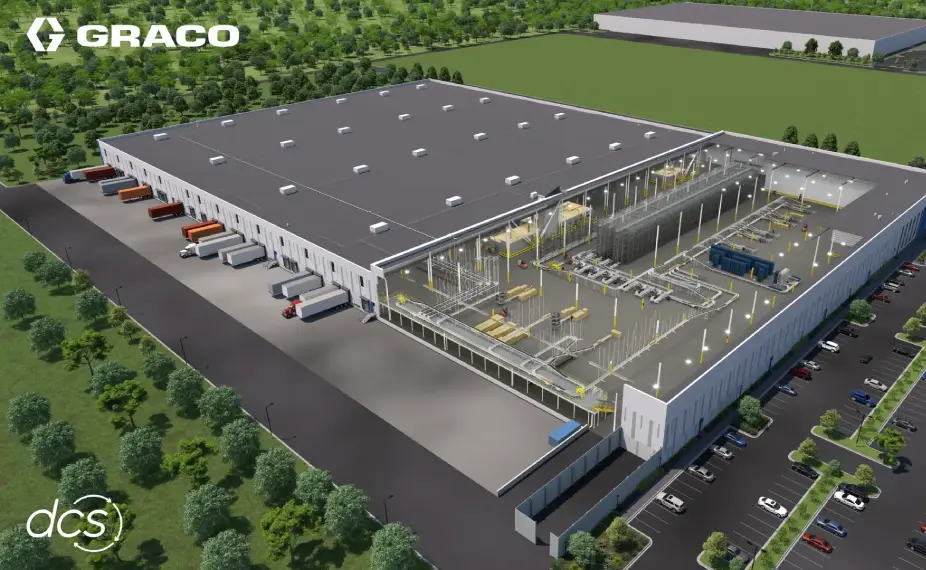
Distribution Applications
DCS has over 40 years of experience designing and integrating end-to-end material handling solutions for diverse distribution applications.

Last Mile / Middle Mile Delivery
As delivery speed and accuracy increase in importance, material handling efficiencies are crucial in the last mile and middle mile of distribution operations.
Bulk Sortation of Outbound Packages
DCS’s turnkey semi-automated bulk sort solution helps parcel sortation operations sort and route packages more efficiently regardless of amount of available labor.
Goods-to-Person Order Fulfillment
While technologies differ in methodology and capital expenditure requirements, they all present products for an order to an associate located at a workstation.
Dark Distribution Centers
DCS has designed and installed solutions to outfit Dark DCs, which allow retailers to provide same day delivery to a customer’s home or a retail store for pick-up.
Micro-Fulfillment Centers
Micro-fulfillment centers (MFCs) are frequently located close to metro areas as a means to get orders delivered to customers in less time.
Reverse Logistics
For operations that opt to handle returns in-house, DCS can help design and engineer the optimal solution.
Last Mile / Middle Mile Delivery
Getting orders to e-commerce customers as quickly as possible is an ongoing challenge for online and multi-channel retailers. That’s why more are turning to a variety of different strategies to improve material handling efficiencies and throughput in their last mile and middle mile distribution operations.
DCS has designed and implemented several material handling and warehouse automation solutions to help retailers achieve their fulfillment goals. These include creating parcel cross-docking facilities with conveyors and sortation, equipping third-party logistics (3PL) solutions providers with fulfillment automation, and outfitting retailers’ designated middle-mile sortation facilities to cut delivery time.
Bulk Sortation of Outbound Packages
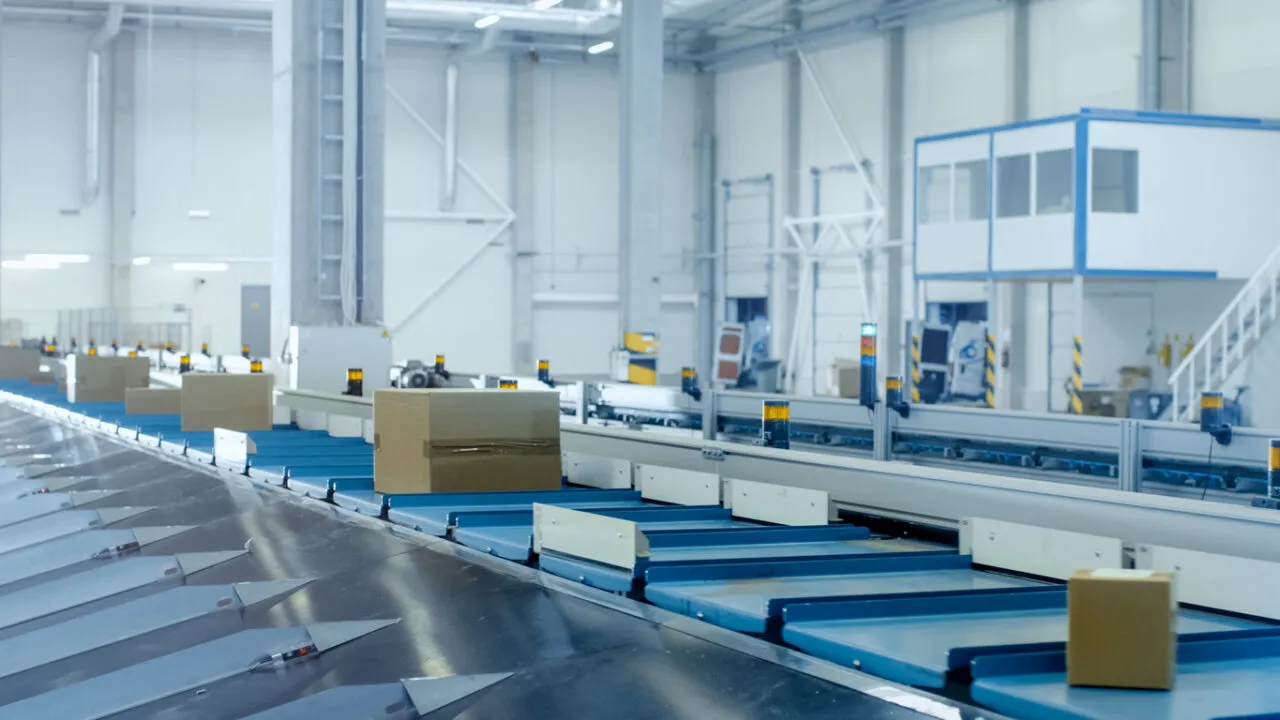
Helping parcel sortation operations more effectively sort and route packages regardless of the amount of labor available is DCS’s turnkey semi-automated bulk sort solution. It incorporates a bulk sorter and series of pushers that impel batches of mixed outbound parcels onto a chute. Each chute feeds a manual sortation workstation where an associate sorts the items by destination and size.
Parcels are then routed to different zones, including carrier gaylords, accumulation for buffering outbound cartons, and carton singulation for manual routing. Modularly configurable, areas within the solution can be turned off and on to accommodate shifting order volumes when enabling fewer workers to manage variable throughput more efficiently.
Goods-to-Person Order Fulfillment
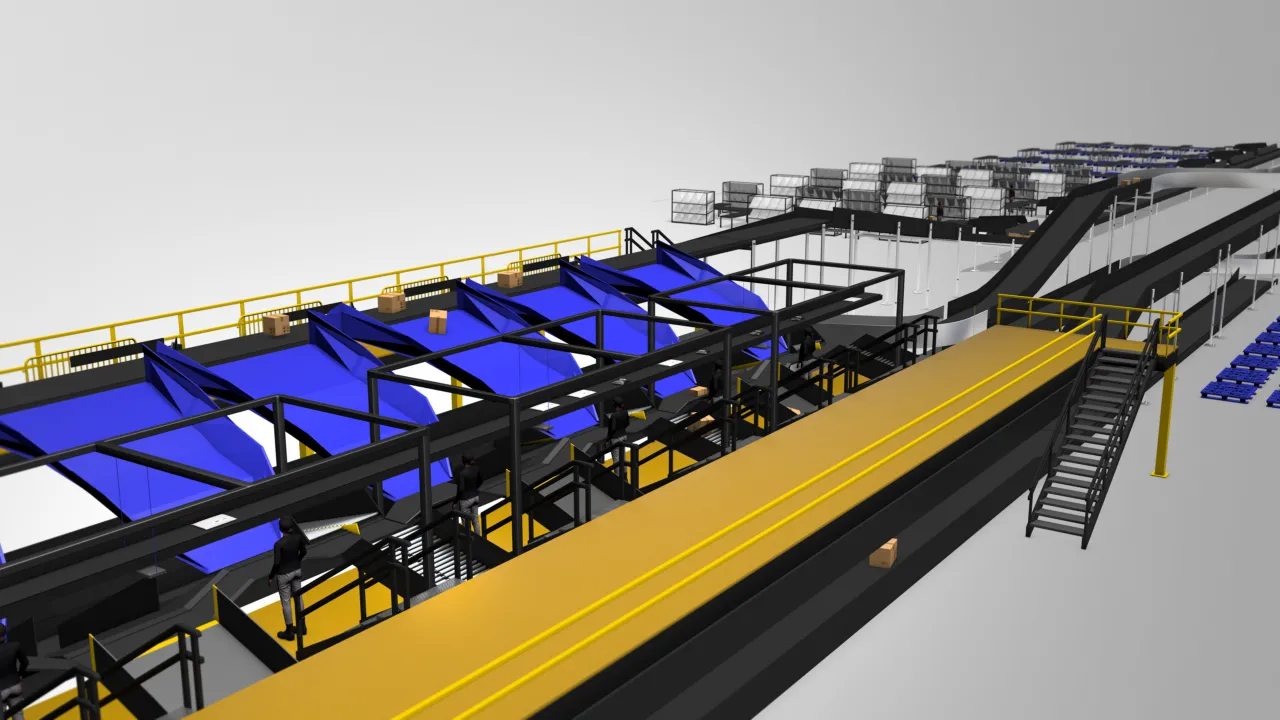
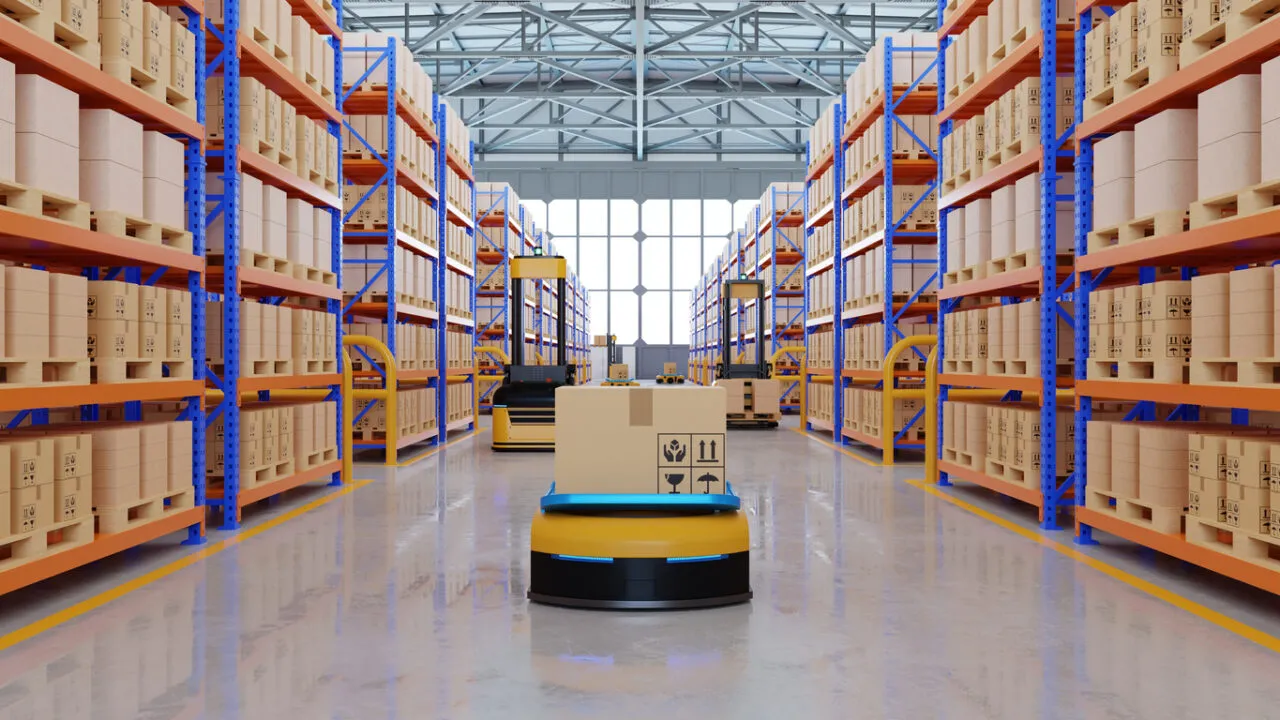
There are a number of different goods-to-person automated fulfillment solutions available to help distribution operations more quickly and accurately pick items for orders. They range from autonomous mobile robots (AMRs) to automated storage and retrieval solutions (ASRS). While the technologies differ in methodology and capital expenditure requirements, they all present products for an order to an associate located at a workstation. By eliminating travel and search time completely, these strategic solutions improve both efficiency and accuracy. DCS has designed and implemented a broad variety of these technologies to support various goods-to-person picking and order fulfillment strategies
Dark Distribution Centers
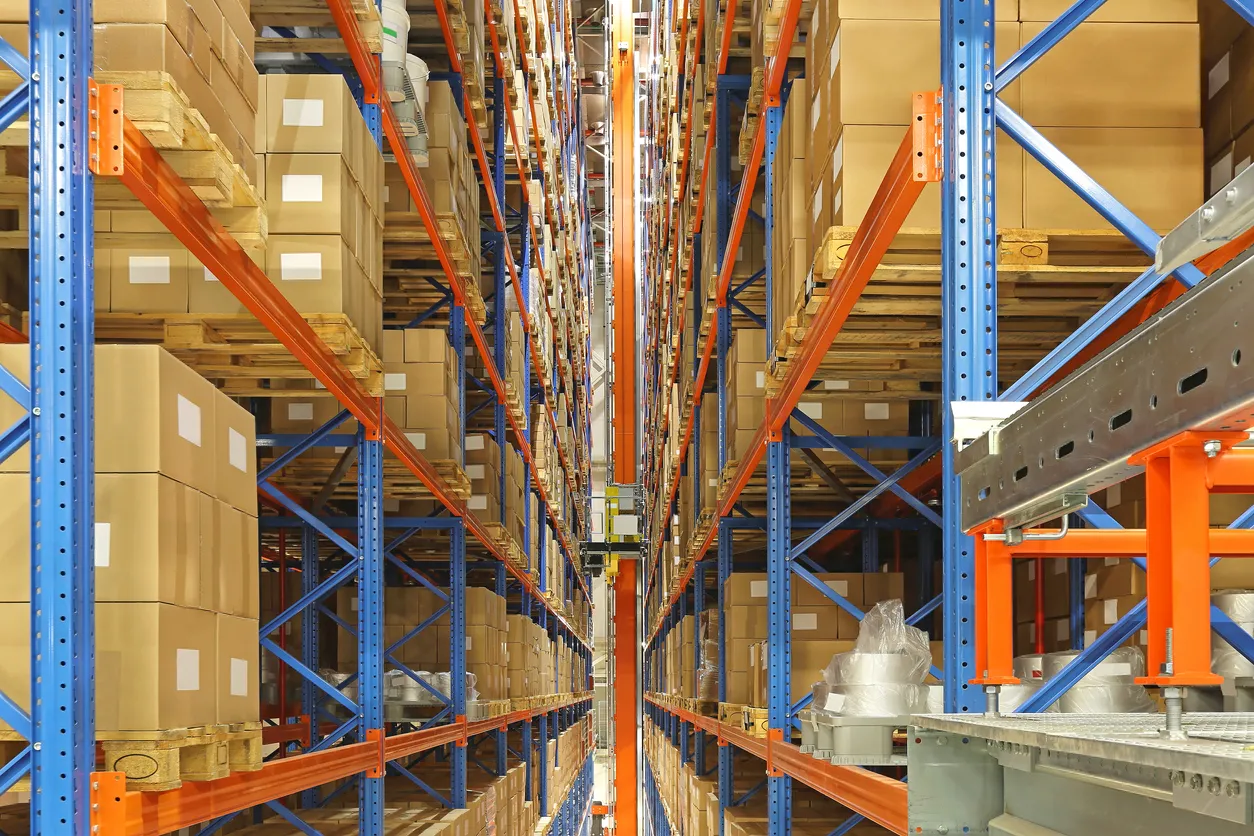
With the increase in demand for direct-to-consumer shipments and buy-online-pick-up-in-store (BOPIS) offerings among grocery and general merchandise retailers, operations have struggled to keep up. Challenges include how to adequately staff their facilities and to ship those orders affordably and fast enough to meet shoppers’ expectations. As a result, more operations have been investing in “Dark” distribution centers, or “Dark DCs”, equipped with automated material handling solutions, including crane or shuttle based automated storage and retrieval systems (ASRS), autonomous mobile robots (AMRs) and automated guided vehicles (AGVs).
With these automated fulfillment technologies, very few staffers are needed to fill and pack orders (truly Dark DCs deploy fleets of robotic picking arms instead of human pickers). Highly dense and often deployed in non-traditional facilities- such as abandoned mall anchor stores and downtown urban buildings- Dark DCs allow retailers to provide same day delivery to a customer’s home or a retail store for pick-up. DCS has designed and installed solutions to outfit Dark DCs throughout the U.S.
Micro-Fulfillment Centers
Micro-fulfillment centers (MFCs) are frequently located close to metro areas as a means to get orders delivered to customers in less time. Embraced by grocery retailers in particular, MFCs support both delivery and curbside pickup services. Typically ranging in size from 5,000 to 25,000 square feet, MFCs often incorporate highly automated material handling systems with shuttles or automated storage and retrieval systems (ASRS).
Requiring lower capital investment and less time to build and install than traditional warehouses, MFCs offer significant cost savings by reducing labor through automation, locations that minimize last mile delivery distances, and reduced real estate costs. They can be free-standing facilities or installed in the backroom or basement of a retail store. Some are even deployed in high-rises in densely populated urban cores. DCS offers a variety of customized material handling solutions for MFCs based on the order and inventory profiles of a given operation.

Reverse Logistics
With the dramatic uptick in e-commerce retailing, a corresponding increase in returns has occurred. How a retailer integrates reverse logistics processes into its existing operations can mean the difference between successfully returning items into profitable, active inventory and generating costly waste. DCS can help a company decide if it’s best to outsource returns to a third-party logistics (3PL) service provider, handle them internally, or route them to a dedicated facility.
Further, for operations that opt to handle returns in-house, DCS can help design and engineer the optimal solution. These include creating and equipping an area solely for manual returns processing; utilizing existing automated material handling equipment (such as conveyor and sortation systems) for returns handling on a second or third shift; or investing in a fully automated shuttle or cube storage system to help sort and store manually dispositioned returns in a highly dense footprint.