
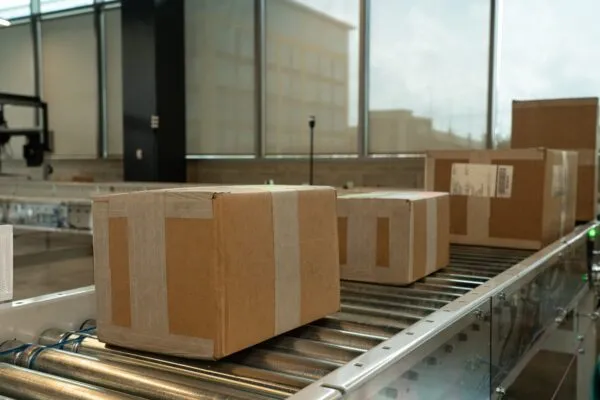
Package Handling
DCS’s design and engineering team has more than 40 years of experience creating unique parcel handling systems for diverse customer applications. With installations including semi-automated handling in small city distribution centers and fully automated, integrated hubs with advanced conveyor and sorter equipment, DCS routinely thinks outside the box.
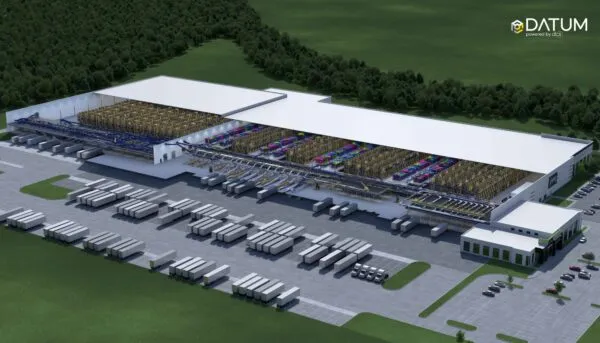
E-Commerce and Multi-Channel Fulfillment
DCS designs and implements end-to-end warehouse automation solutions for e-commerce and multi-channel retailers that address numerous workflow challenges. This includes solutions for receiving, putaway, storage, replenishment, order fulfillment, picking, packing, sortation, and outbound shipping. Our custom integrated warehouse, distribution, and fulfillment systems draw from a deep pool of conventional, semi-automated, and automated material handling technologies.
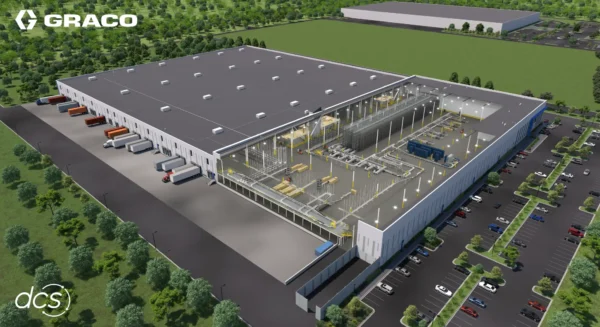
Various Distribution Applications
Whether an operation is considering the construction of a new distribution or fulfillment center, or a retrofit or expansion of an existing facility, it’s important to create a solution that fits the overarching supply chain strategy. DCS has four decades of experience designing and integrating comprehensive, end-to-end material handling solutions that meet a multitude of operational goals. Whether conventional, semi-automated, or fully automated, DCS can help your organization implement a custom solution that meets its goals while maximizing return on investment (ROI).

Supply Chain Consulting
The DCS Supply Chain Consulting team offers a range of services to help your operations address the challenges it faces. Working in partnership with you, DCS consultants analyze your business data- existing workforce, workflow processes, inventory, order data, operations, and more- to determine a strategy that addresses your unique needs. Whether you need an operations assessment, process improvement recommendations, or distribution design services, DCS consultants will help guide you to the material handling system or operational solution that best meets your current and future needs, as well as your budget.

Customer Support
Keeping your warehouse operations and material handling systems running smoothly and at the peak of productivity are the goals of DCS’ Customer Service Team. By partnering with DCS, your warehouse automation solution is supported from commissioning to end of life. You’ll receive comprehensive in-house training of your personnel, including specialized training of your designated internal system expert. Plus, DCS offers a complete package of spare parts and expert system troubleshooting support from qualified engineers dedicated to your installation.

System Design & Integration
DCS offers a broad range of material handling equipment and automated system design, installation, and integration services for a multitude of projects. These include retrofits, expansions, upgrades, and more. While every project is unique, our system design and execution processes are the same, encompassing meticulous attention to detail, frequent communication, and a dedicated partnership with our clients.

Life Science & Healthcare
Pharmaceutical, healthcare, and life science companies face mounting pressure from evolving regulatory requirements, rising fulfillment costs, and intensifying accuracy demands. In this environment, automation isn’t optional—it’s essential. Designed Conveyor Systems (DCS) helps distributors of these critical products stay compliant and competitive.

Pet Food
Pet food distribution operations are anything but standard. From bulky kibble bags to delicate fish tanks, stock keeping unit (SKU) complexity and fulfillment pressure are always on the rise. Designed Conveyor Systems (DCS) partners with leading pet retailers to design and engineer automation, software, and material handling systems that keep operations agile, accurate, and ready for what’s next.

Home Improvement
When your distribution center handles everything from hammers to hot tubs, operational complexity isn’t a challenge—it’s your daily reality. Home improvement retailers face intense pressure to meet rising consumer expectations across multiple channels—from in-store pickups to last-mile delivery. At Designed Conveyor Systems (DCS), we specialize in engineering material handling and automation solutions that help home improvement distribution centers keep pace, reduce cost, and drive accuracy at scale.

Sporting Goods
Navigating the unique demands of the sporting goods retail industry requires a distribution strategy that’s both agile and precise. From handling seasonal surges to managing a diverse range of products—from bulky equipment to small accessories—your warehouse operations are the key to a seamless customer experience. Our expertise helps sporting goods retailers streamline their distribution warehouses, improving order accuracy, boosting productivity, and ensuring your team can efficiently move products from the receiving dock to the final customer, no matter the season.

Footwear
In the fast-paced world of footwear retail requires a distribution strategy that can handle a vast array of styles, sizes, and seasonal trends with precision and speed. From managing a high volume of SKUs to ensuring accurate order fulfillment and returns processing, your distribution center is the engine that drives customer satisfaction and brand loyalty. Our expertise helps footwear retailers streamline their distribution centers, improving inventory management, accelerating order processing, and ensuring your team can efficiently move products from the receiving dock to the final customer, no matter the season.

Wholesale & Industrial Distribution
Designed Conveyor Systems (DCS) partners with wholesale, industrial, and electronics distributors to design efficient, optimized fulfillment solutions. Every operation DCS designs streamlines end-to-end functional processes—from inbound receiving and putaway to picking, packing, and shipping. Designed Conveyor Systems (DCS) partners with wholesale, industrial, and electronics distributors to design efficient, optimized fulfillment solutions. Every operation DCS designs streamlines end-to-end functional processes—from inbound receiving and putaway to picking, packing, and shipping.
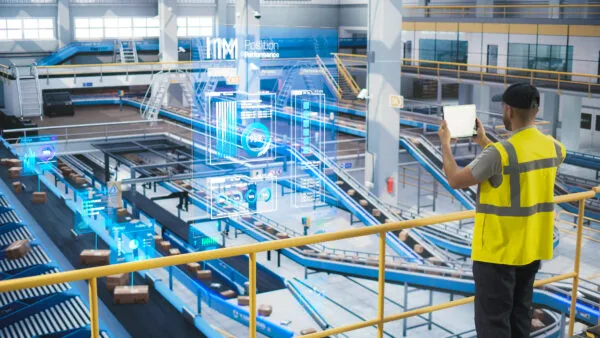


About Us
Designed Conveyor Systems (DCS) has 40 years of experience serving major clients in multiple industries by providing material handling, full-scale warehouse operations, and conveyor design solutions that are custom crafted for their needs. DCS does not sell ready-made conveyor systems but builds relationships that empower collaboration to craft custom warehouse designs together. DCS utilizes consulting, engineering design, project management, installation services, and client support to ensure our customers can keep their promises to deliver on time.
Projects
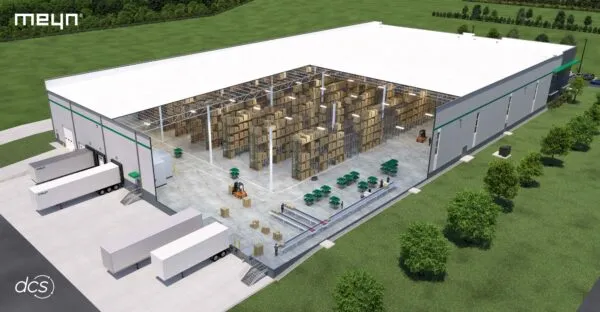
With more than 40 years of experience providing automated system design, installation, and integration services, DCS has created solutions for companies throughout the United States in a broad range of industries and markets. We’ve completed more than 1500 projects ranging from greenfield facilities with completely new systems to expansions and retrofits of existing operations.
Upcoming Events
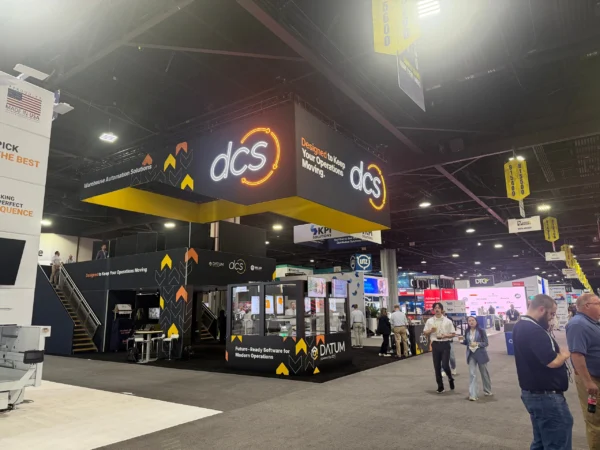
Designed Conveyor Systems values building strong relationships with our clients. Join us at our upcoming events to collaborate and discover how we can design a custom warehouse solution tailored to your unique needs.
How Warehouse Automation Improves Warehouse Operations
How Warehouse Automation Improves Warehouse Operations

Improving Warehouse Automation
Every warehouse manager has two main things on their mind at all times – safety in warehouse operations, and efficiency in material handling solutions. You want to be able to get your work done and process all the items you need but you don’t want to sacrifice safe working conditions for your employees. Beyond that, moving too quickly can often lead to human error and damage the materials you are handling.
This has been a delicate balancing act for years. But there were always certain limitations imposed by the intrinsic nature of humans moving items. You can only move at a certain speed. Your faculties wear down over time. And strictly from a P&L point of view, workers require a lot of overhead with wages, benefits, vacations, and lunch breaks.
However, there are new tools available for warehouse operations that solves a lot of these problems. How can you keep costs down and efficiency high without sacrificing the safety of your workers? Warehouse Automation!
New technology is making giant leaps in the logistics industry. Here are the ways warehouse automation can keep your warehouse operations running smoothly and efficiently.
Two Types of Warehouse Automation
There are various ways automation can help your warehouse operations run more efficiently. They normally perform highly repetitive tasks that would simply take a human a long time to complete. These different processes can be split into two groups – Warehouse Process Automation and Physical Automation.
Contact DCS today to talk through your warehousing needs.
Warehouse Process Automation
Warehouse Process Automation (aka: system automation) is a type of automation assisted by working with your data. If these two sections of automation can be likened to a person, process automation would be the head and physical automation would be the body.
This means process automation can be used to help compile data and figures for tasks such as inventory. Through the use of barcodes and scanners, it tracks your items and files the data into your organizational system (such as an ERP system).
Physical Automation
Physical Automation is what most people would picture when thinking about warehouse automation. It refers to the robotic machines that move, sort, and gather items within a warehouse. This type of automation is generally only used in very large operations because of the large upfront cost of implementation. These machines include examples such as driverless automated guided vehicles (AGVs) and autonomous mobile robots (AMRs).
However, these large operations can produce a significant increase in productivity and will see a return on their investment before long.
Advantages of Warehouse Automation Solutions
The main advantage of warehouse automation is efficiency. It helps you streamline your human resources by putting them to work on more important tasks. Menial and repetitive tasks fail to make use of the full potential of your employees.
The reduction in errors saves money in two ways. First, the necessity of replacing damaged or lost items is reduced. Less mistakes means less cleanup. Second, avoiding mistakes means happier customers. Trust between customers and your warehouse increases the likelihood of repeat business.
The accuracy of your inventory, order tracking and fulfillment, and other digitized information helps you analyze your operations much more cleanly. Accurate information gives you the tools you need to learn what is working, what isn’t, and how you can maximize efficiency moving forward.
When To Use Warehouse Automation Systems
This technology might not be entirely essential if your facility is very small and your processes are not incredibly intricate. But ideally your business will grow. And the workload will continue to expand along with your company. At some point, you will need to make the switch to automation. But how do you know when it’s time to do that?
Pay attention to how your systems are working. Has human error cost you time and money? Are these mistakes due to a lack of organization or a lack of time in which to perform the tasks? This could include lost items, incorrectly fulfilled orders, difficulty maintaining accurate inventory counts, and increasing complaints from customers.
These are all signs that the processes are becoming overwhelming. Warehouse automation systems are perfect for addressing these issues.
How to Introduce Warehouse Automation Systems
You don’t want to go from a fully manual warehouse to a completely automated warehouse in one day. This technology should be introduced slowly and deliberately to ensure everything is working exactly how it should.
Start with process automation. This aligns all of your processes and gives you the ability to keep track of the way everything is working.
You will also need your As-Builts (or redline drawings) that detail the as-constructed system in your facility. This documentation can include layout (or plan view) drawings, elevation drawings, building & equipment details, electrical schematics, power diagrams, controls programs, Operations & Maintenance Manuals (O&Ms) and more. While it’s easy and even exciting to review this documentation during the design phase of a project, as-builts are often treated as an afterthought or forgotten altogether.
After you have the data, warehouse layout, and a firm grasp on your inventory, you can introduce a warehouse management system (WMS). This is a platform that essentially streamlines your internal logistics processes. This automates a lot of internal tasks and is quite helpful in streamlining operations.
And once all of your process automation needs are covered, you can address if physical automation makes sense for the size of your operation.
Visit DCS to learn more about our warehouse automation solutions.