
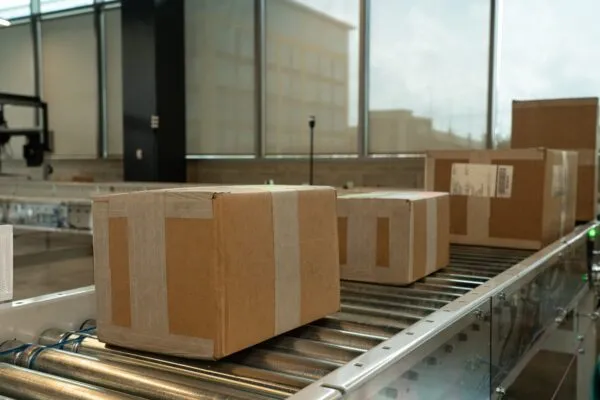
Package Handling
DCS’s design and engineering team has more than 40 years of experience creating unique parcel handling systems for diverse customer applications. With installations including semi-automated handling in small city distribution centers and fully automated, integrated hubs with advanced conveyor and sorter equipment, DCS routinely thinks outside the box.
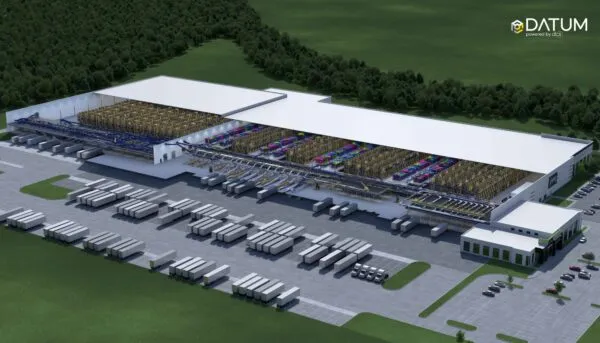
E-Commerce and Multi-Channel Fulfillment
DCS designs and implements end-to-end warehouse automation solutions for e-commerce and multi-channel retailers that address numerous workflow challenges. This includes solutions for receiving, putaway, storage, replenishment, order fulfillment, picking, packing, sortation, and outbound shipping. Our custom integrated warehouse, distribution, and fulfillment systems draw from a deep pool of conventional, semi-automated, and automated material handling technologies.
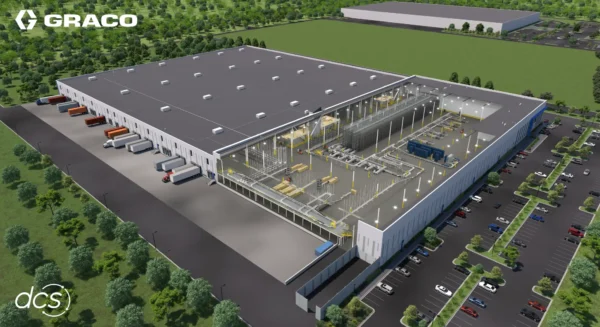
Various Distribution Applications
Whether an operation is considering the construction of a new distribution or fulfillment center, or a retrofit or expansion of an existing facility, it’s important to create a solution that fits the overarching supply chain strategy. DCS has four decades of experience designing and integrating comprehensive, end-to-end material handling solutions that meet a multitude of operational goals. Whether conventional, semi-automated, or fully automated, DCS can help your organization implement a custom solution that meets its goals while maximizing return on investment (ROI).

Supply Chain Consulting
The DCS Supply Chain Consulting team offers a range of services to help your operations address the challenges it faces. Working in partnership with you, DCS consultants analyze your business data- existing workforce, workflow processes, inventory, order data, operations, and more- to determine a strategy that addresses your unique needs. Whether you need an operations assessment, process improvement recommendations, or distribution design services, DCS consultants will help guide you to the material handling system or operational solution that best meets your current and future needs, as well as your budget.

Customer Support
Keeping your warehouse operations and material handling systems running smoothly and at the peak of productivity are the goals of DCS’ Customer Service Team. By partnering with DCS, your warehouse automation solution is supported from commissioning to end of life. You’ll receive comprehensive in-house training of your personnel, including specialized training of your designated internal system expert. Plus, DCS offers a complete package of spare parts and expert system troubleshooting support from qualified engineers dedicated to your installation.

System Design & Integration
DCS offers a broad range of material handling equipment and automated system design, installation, and integration services for a multitude of projects. These include retrofits, expansions, upgrades, and more. While every project is unique, our system design and execution processes are the same, encompassing meticulous attention to detail, frequent communication, and a dedicated partnership with our clients.
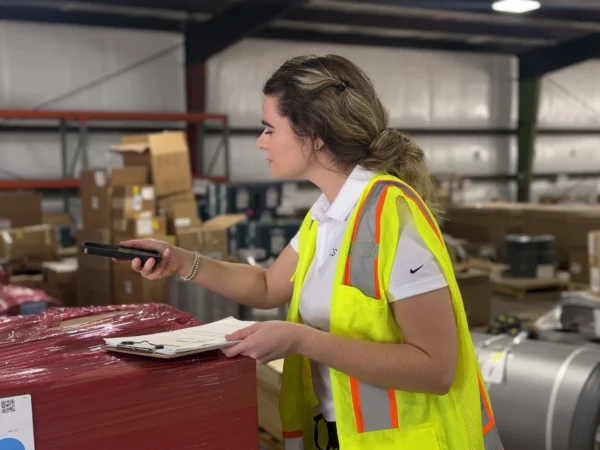
Lifecycle Services
Stop reactive repairs. Lifecycle Services provides expert preventive maintenance and 24/7 technical support to protect your automation and MHE availability.

Life Science & Healthcare
Pharmaceutical, healthcare, and life science companies face mounting pressure from evolving regulatory requirements, rising fulfillment costs, and intensifying accuracy demands. In this environment, automation isn’t optional—it’s essential. Designed Conveyor Systems (DCS) helps distributors of these critical products stay compliant and competitive.

Pet Food
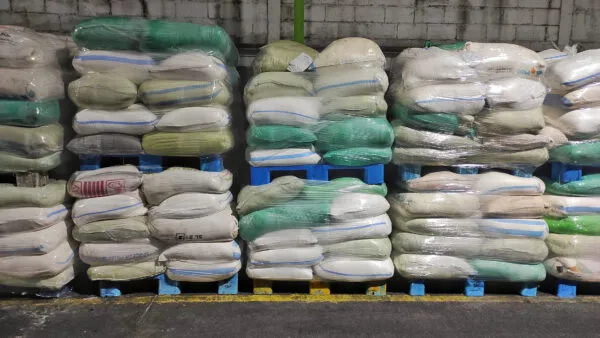
Pet food distribution operations are anything but standard. From bulky kibble bags to delicate fish tanks, stock keeping unit (SKU) complexity and fulfillment pressure are always on the rise. Designed Conveyor Systems (DCS) partners with leading pet retailers to design and engineer automation, software, and material handling systems that keep operations agile, accurate, and ready for what’s next.

Home Improvement
When your distribution center handles everything from hammers to hot tubs, operational complexity isn’t a challenge—it’s your daily reality. Home improvement retailers face intense pressure to meet rising consumer expectations across multiple channels—from in-store pickups to last-mile delivery. At Designed Conveyor Systems (DCS), we specialize in engineering material handling and automation solutions that help home improvement distribution centers keep pace, reduce cost, and drive accuracy at scale.

Sporting Goods
Navigating the unique demands of the sporting goods retail industry requires a distribution strategy that’s both agile and precise. From handling seasonal surges to managing a diverse range of products—from bulky equipment to small accessories—your warehouse operations are the key to a seamless customer experience. Our expertise helps sporting goods retailers streamline their distribution warehouses, improving order accuracy, boosting productivity, and ensuring your team can efficiently move products from the receiving dock to the final customer, no matter the season.
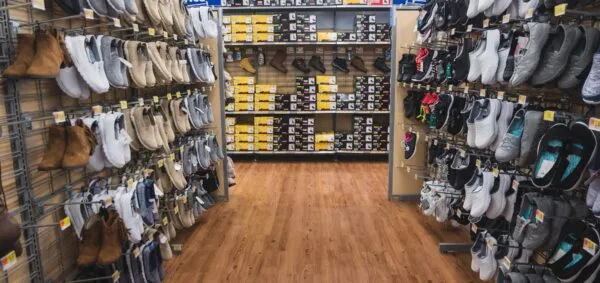
Footwear
In the fast-paced world of footwear retail requires a distribution strategy that can handle a vast array of styles, sizes, and seasonal trends with precision and speed. From managing a high volume of SKUs to ensuring accurate order fulfillment and returns processing, your distribution center is the engine that drives customer satisfaction and brand loyalty. Our expertise helps footwear retailers streamline their distribution centers, improving inventory management, accelerating order processing, and ensuring your team can efficiently move products from the receiving dock to the final customer, no matter the season.

Wholesale & Industrial Distribution
Designed Conveyor Systems (DCS) partners with wholesale, industrial, and electronics distributors to design efficient, optimized fulfillment solutions. Every operation DCS designs streamlines end-to-end functional processes—from inbound receiving and putaway to picking, packing, and shipping. Designed Conveyor Systems (DCS) partners with wholesale, industrial, and electronics distributors to design efficient, optimized fulfillment solutions. Every operation DCS designs streamlines end-to-end functional processes—from inbound receiving and putaway to picking, packing, and shipping.



About Us
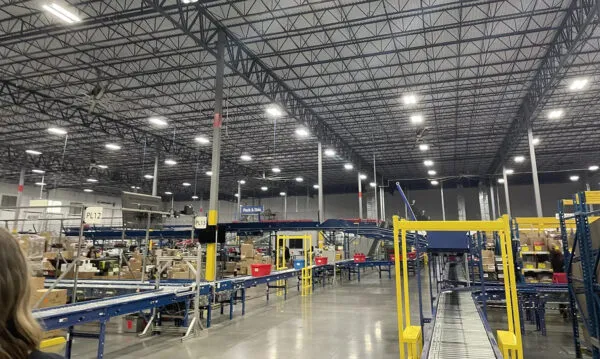
Designed Conveyor Systems (DCS) has 40 years of experience serving major clients in multiple industries by providing material handling, full-scale warehouse operations, and conveyor design solutions that are custom crafted for their needs. DCS does not sell ready-made conveyor systems but builds relationships that empower collaboration to craft custom warehouse designs together. DCS utilizes consulting, engineering design, project management, installation services, and client support to ensure our customers can keep their promises to deliver on time.
Projects
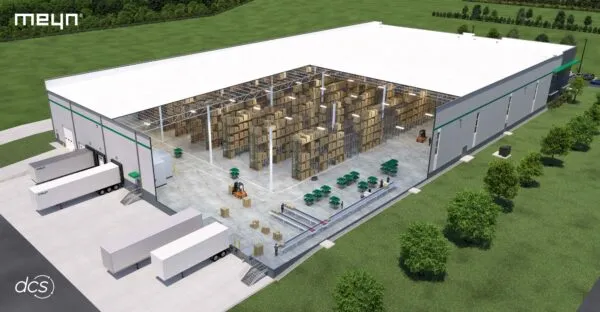
With more than 40 years of experience providing automated system design, installation, and integration services, DCS has created solutions for companies throughout the United States in a broad range of industries and markets. We’ve completed more than 1500 projects ranging from greenfield facilities with completely new systems to expansions and retrofits of existing operations.
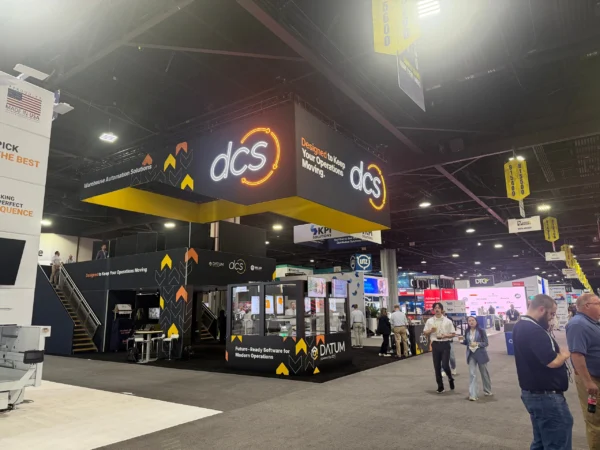
Upcoming Events
Designed Conveyor Systems values building strong relationships with our clients. Join us at our upcoming events to collaborate and discover how we can design a custom warehouse solution tailored to your unique needs.
6 Strategies To Scale Distribution Centers Without a Facility Expansion
6 Strategies To Scale Distribution Centers Without a Facility Expansion
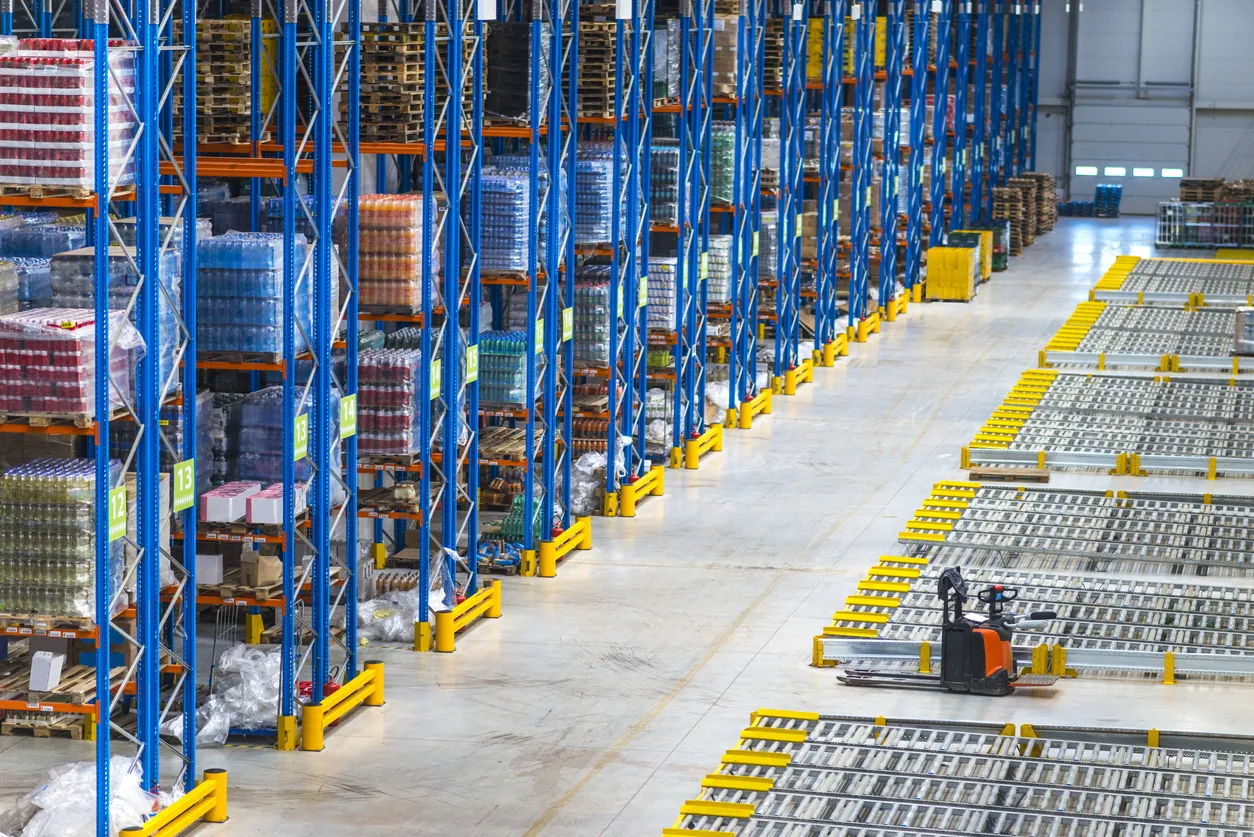
Real estate prices are on the rise, and industrial space availability in major metropolitan areas remains limited. Meanwhile, operations managers need to scale their operations to accommodate more inventory and higher throughput to meet customer demands. This begs the question: How can you increase capacity within your existing facility without physically adding more square footage?
At DCS, distribution center optimization is our specialty. Throughout nearly 45 years of experience providing automated system design, material handling equipment, installation, and integration services, we have created optimized solutions for operations throughout the U.S.
Scaling up your warehouse’s capacity without physically expanding its footprint is achievable with smart strategies and the right partner. DCS works hand-in-hand with you to develop the distribution center efficiency solutions that yield higher capacity and throughput in your existing facility envelope.
Here are six key strategies to scale distribution centers without a facility expansion.
Vertical Storage Optimization
Making the most of your available cubic space by adding taller vertical storage equipment is a commonsense space-saving solution. DCS can integrate high-density industrial racking systems that extend to the ceiling. These include narrow-aisle or very-narrow-aisle (VNA) storage racks accessed by specialized forklifts; elevated industrial work platforms, mezzanines, or pick modules with shelving to store lighter items or house packing workstations; and shuttle or cube-based automated storage and retrieval systems (AS/RS) for maximum storage density.
Slotting Optimization and Dynamic Storage
One key to warehouse space optimization is slotting. Evaluating inventory velocity will help determine the optimal storage placement for items. Also known as an “ABC test,” this assessment ranks products based on order frequency, from fastest moving (A) to slowest (C). Optimal inventory slotting is then based on these rankings. A items should be stored in the most accessible pick locations, while B and C items into higher-density storage.
Best practice is to use slotting software that continuously analyzes pick patterns and adjusts locations accordingly. If your demand changes seasonally, implement dynamic slotting—a warehouse management strategy that uses real-time data to continuously update product storage locations based on demand, velocity, and seasonality—rather than using fixed, static assignments. And, as a reminder, as customer demand changes, it’s always a good idea to schedule regular audits of your layout and reslotting as needed.
Cross-Docking Implementation
If your products are spending too much time sitting around between receiving and shipping, consider cross-docking, particularly for your fast-moving items with a consistent demand. Coordinating with your suppliers for pre-labeled, store-ready merchandise, creating dedicated cross-dock zones, using advanced shipping notices (ASNs) for dock scheduling, and implementing a warehouse execution system (WES) like DATUM that supports such workflows will make cross-docking more easily achievable.
Automation and Robotics
Automation is revolutionizing the industrial world. If you haven’t yet invested in automation, some great places to start are with:
- Automatic guided vehicles (AGVs) or autonomous mobile robots (AMRs) for flexible product handling and transportation.
- Automated conveyor and sortation systems to facilitate inventory and order movement through a facility.
- Pick-to-light or put-to-light systems to fulfill orders.
- Robotic picking arms to perform repetitive tasks.
- Automated packaging systems to save space and shipping costs.
These warehouse automation technologies can dramatically increase throughput, improve accuracy and handling density, and cut down on labor costs—all without adding square footage.
Inventory Reduction
Excess and slow-moving stock take up valuable space. To combat this, consider negotiating for consignment inventory where vendors maintain ownership until sale. Additionally, conduct regular inventory audits to identify B- and C-value products, arrange for smaller and more frequent deliveries, adopt vendor-managed inventory (VMI) programs, and leverage analytics to reduce safety stock levels without risking stockouts.
Flexible Storage Solutions
Fixed racking can’t adjust to product changes or seasonal fluctuations. Modular storage systems, on the other hand, can be quickly reconfigured. Our distribution center customers have had success with mobile storage systems. Among them are portable racks transported to and from storage areas by AMRs, temporary bulk storage areas with adjustable parameters, mobile shelving units, and multi-purpose zones that can serve different functions based on demand. All of these storage solutions allow you to change and grow your operations without increasing square footage.
Scale Your Distribution Center without Scaling Your Footprint. DCS Is Ready To Help.
To create and implement a customized plan that integrates these space-saving solutions, collaborating with a reputable distribution center design and integration partner is essential. DCS offers a broad range of services including automated system design, installation, and integration services for a multitude of projects. These include retrofits, expansions, upgrades, and more. While every project is unique, our system design and execution processes are the same, encompassing meticulous attention to detail, frequent communication, and a dedicated partnership with our clients.
Ready to increase warehouse capacity? Take the first step to elevating your distribution center. Contact DCS today.