
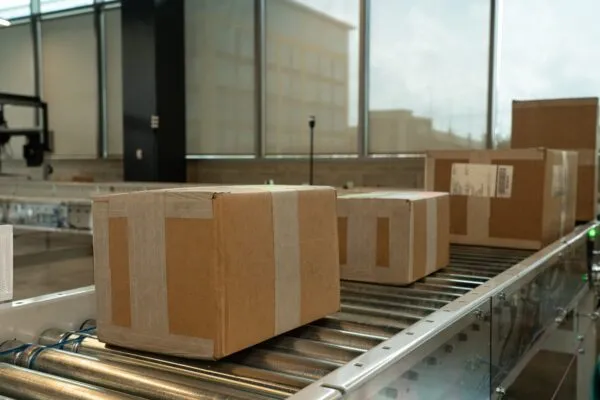
Package Handling
DCS’s design and engineering team has more than 40 years of experience creating unique parcel handling systems for diverse customer applications. With installations including semi-automated handling in small city distribution centers and fully automated, integrated hubs with advanced conveyor and sorter equipment, DCS routinely thinks outside the box.
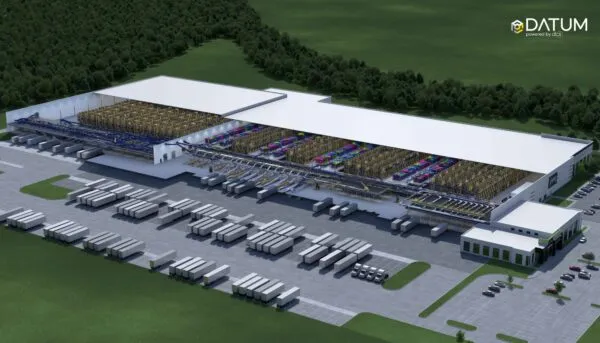
E-Commerce and Multi-Channel Fulfillment
DCS designs and implements end-to-end warehouse automation solutions for e-commerce and multi-channel retailers that address numerous workflow challenges. This includes solutions for receiving, putaway, storage, replenishment, order fulfillment, picking, packing, sortation, and outbound shipping. Our custom integrated warehouse, distribution, and fulfillment systems draw from a deep pool of conventional, semi-automated, and automated material handling technologies.
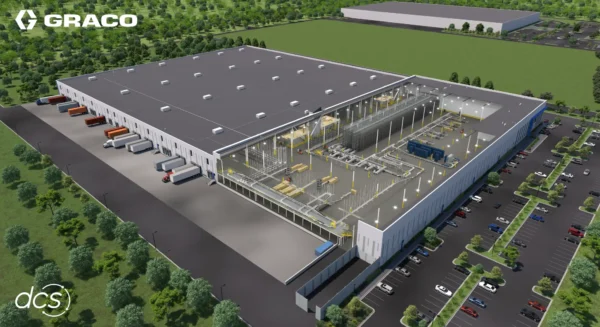
Various Distribution Applications
Whether an operation is considering the construction of a new distribution or fulfillment center, or a retrofit or expansion of an existing facility, it’s important to create a solution that fits the overarching supply chain strategy. DCS has four decades of experience designing and integrating comprehensive, end-to-end material handling solutions that meet a multitude of operational goals. Whether conventional, semi-automated, or fully automated, DCS can help your organization implement a custom solution that meets its goals while maximizing return on investment (ROI).

Supply Chain Consulting
The DCS Supply Chain Consulting team offers a range of services to help your operations address the challenges it faces. Working in partnership with you, DCS consultants analyze your business data- existing workforce, workflow processes, inventory, order data, operations, and more- to determine a strategy that addresses your unique needs. Whether you need an operations assessment, process improvement recommendations, or distribution design services, DCS consultants will help guide you to the material handling system or operational solution that best meets your current and future needs, as well as your budget.

Customer Support
Keeping your warehouse operations and material handling systems running smoothly and at the peak of productivity are the goals of DCS’ Customer Service Team. By partnering with DCS, your warehouse automation solution is supported from commissioning to end of life. You’ll receive comprehensive in-house training of your personnel, including specialized training of your designated internal system expert. Plus, DCS offers a complete package of spare parts and expert system troubleshooting support from qualified engineers dedicated to your installation.

System Design & Integration
DCS offers a broad range of material handling equipment and automated system design, installation, and integration services for a multitude of projects. These include retrofits, expansions, upgrades, and more. While every project is unique, our system design and execution processes are the same, encompassing meticulous attention to detail, frequent communication, and a dedicated partnership with our clients.
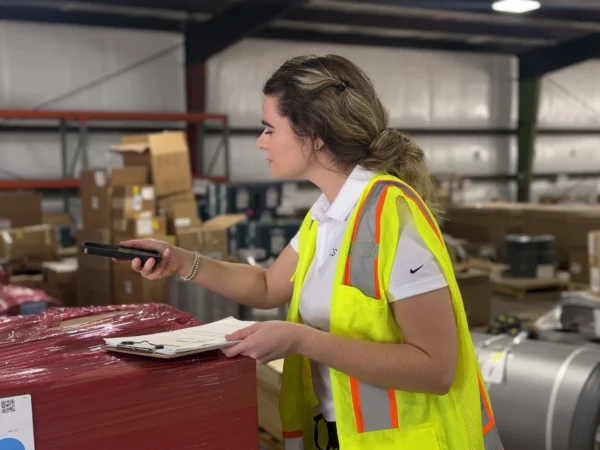
Lifecycle Services
Stop reactive repairs. Lifecycle Services provides expert preventive maintenance and 24/7 technical support to protect your automation and MHE availability.

Life Science & Healthcare
Pharmaceutical, healthcare, and life science companies face mounting pressure from evolving regulatory requirements, rising fulfillment costs, and intensifying accuracy demands. In this environment, automation isn’t optional—it’s essential. Designed Conveyor Systems (DCS) helps distributors of these critical products stay compliant and competitive.

Pet Care
Pet food distribution operations are anything but standard. From bulky kibble bags to delicate fish tanks, stock keeping unit (SKU) complexity and fulfillment pressure are always on the rise. Designed Conveyor Systems (DCS) partners with leading pet retailers to design and engineer automation, software, and material handling systems that keep operations agile, accurate, and ready for what’s next.

Home Improvement
When your distribution center handles everything from hammers to hot tubs, operational complexity isn’t a challenge—it’s your daily reality. Home improvement retailers face intense pressure to meet rising consumer expectations across multiple channels—from in-store pickups to last-mile delivery. At Designed Conveyor Systems (DCS), we specialize in engineering material handling and automation solutions that help home improvement distribution centers keep pace, reduce cost, and drive accuracy at scale.

Sporting Goods
Navigating the unique demands of the sporting goods retail industry requires a distribution strategy that’s both agile and precise. From handling seasonal surges to managing a diverse range of products—from bulky equipment to small accessories—your warehouse operations are the key to a seamless customer experience. Our expertise helps sporting goods retailers streamline their distribution warehouses, improving order accuracy, boosting productivity, and ensuring your team can efficiently move products from the receiving dock to the final customer, no matter the season.
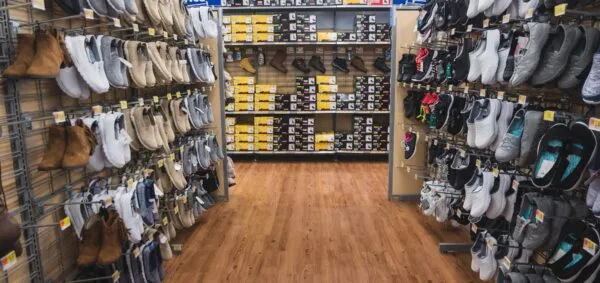
Footwear
In the fast-paced world of footwear retail requires a distribution strategy that can handle a vast array of styles, sizes, and seasonal trends with precision and speed. From managing a high volume of SKUs to ensuring accurate order fulfillment and returns processing, your distribution center is the engine that drives customer satisfaction and brand loyalty. Our expertise helps footwear retailers streamline their distribution centers, improving inventory management, accelerating order processing, and ensuring your team can efficiently move products from the receiving dock to the final customer, no matter the season.
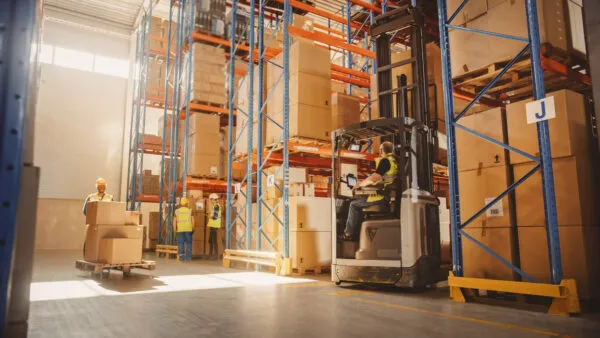
Wholesale & Industrial Distribution
Designed Conveyor Systems (DCS) partners with wholesale, industrial, and electronics distributors to design efficient, optimized fulfillment solutions. Every operation DCS designs streamlines end-to-end functional processes—from inbound receiving and putaway to picking, packing, and shipping. Designed Conveyor Systems (DCS) partners with wholesale, industrial, and electronics distributors to design efficient, optimized fulfillment solutions. Every operation DCS designs streamlines end-to-end functional processes—from inbound receiving and putaway to picking, packing, and shipping.



About Us
Designed Conveyor Systems (DCS) has 40 years of experience serving major clients in multiple industries by providing material handling, full-scale warehouse operations, and conveyor design solutions that are custom crafted for their needs. DCS does not sell ready-made conveyor systems but builds relationships that empower collaboration to craft custom warehouse designs together. DCS utilizes consulting, engineering design, project management, installation services, and client support to ensure our customers can keep their promises to deliver on time.
Projects
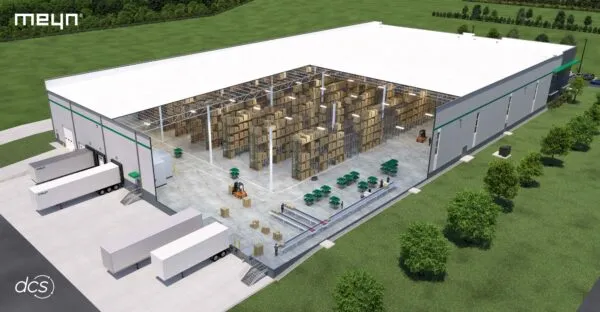
With more than 40 years of experience providing automated system design, installation, and integration services, DCS has created solutions for companies throughout the United States in a broad range of industries and markets. We’ve completed more than 1500 projects ranging from greenfield facilities with completely new systems to expansions and retrofits of existing operations.
Upcoming Events
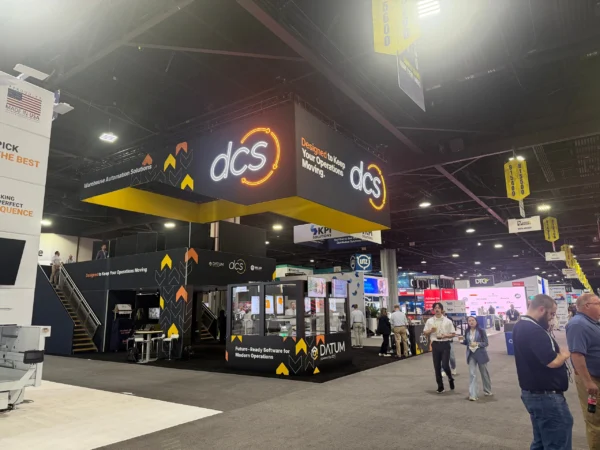
Designed Conveyor Systems values building strong relationships with our clients. Join us at our upcoming events to collaborate and discover how we can design a custom warehouse solution tailored to your unique needs.
DCS Engineers Automated Mixed-Bag Palletizing Solution for Pet Food Retail Replenishment
DCS Engineers Automated Mixed-Bag Palletizing Solution for Pet Food Retail Replenishment
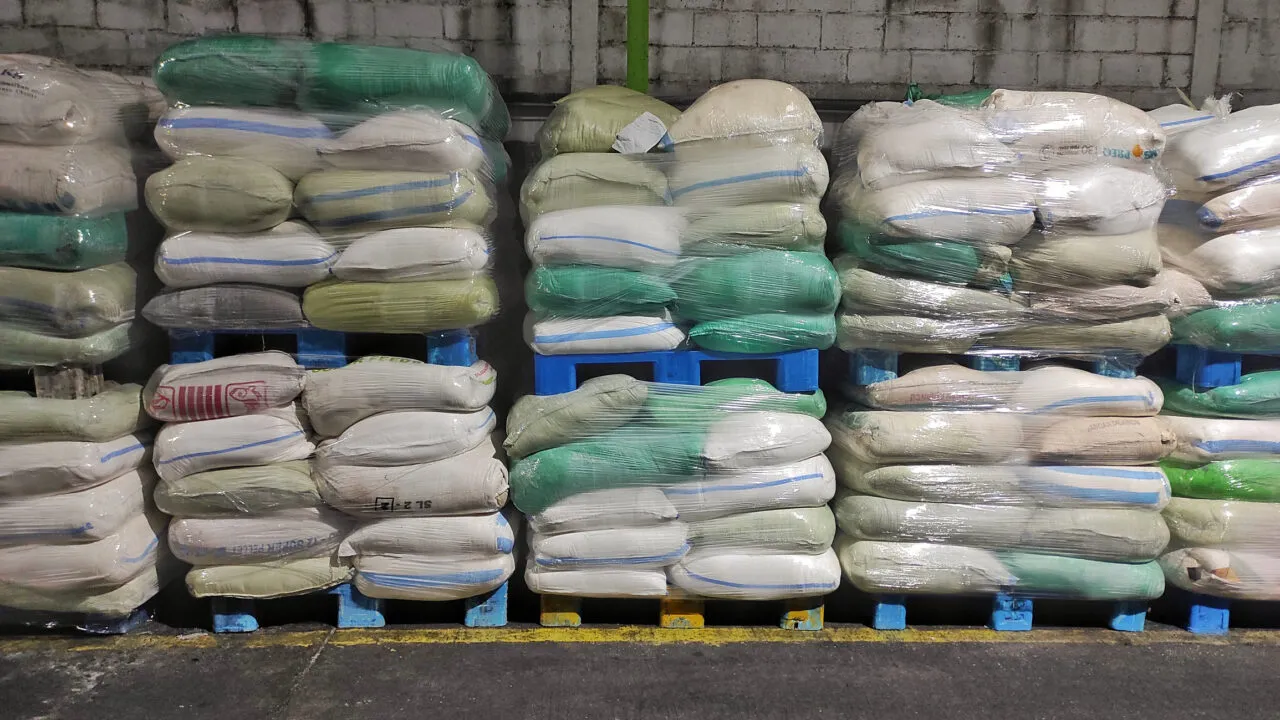
Pet food and other retail distribution centers face a uniquely punishing fulfillment challenge. They build mixed-SKU store pallets by hand from bulky, heavy bags of kibble, litter, and other goods weighing up to 50 pounds apiece. The physical toll of repetitive lifting, bending, and twisting drives ergonomic injuries and warehouse associate turnover. Further, manually sequencing bags to match a store’s planogram slows replenishment and risks damaged, leaking product.
Designed Conveyor Systems (DCS) engineered an automated solution to tackle this challenge. The system combines autonomous mobile robots (AMRs), robotic arms with AI-guided vision systems, and its proprietary warehouse execution system (WES), DATUM™. It builds stable, store-ready mixed pallets of bagged pet food without any human handling of the bags themselves. This frees associates for safer, higher-value work.
The Challenge
Manually building pallets that mix different stock keeping units (SKUs) is one of the most physically demanding jobs in a distribution center. Pet food and other operations handling heavy bags of product feel this acutely. Bagged dry kibble, cat litter, and other bulk pet products are routinely packaged in 10- to 50-pound bags. Typically, warehouse associates build these mixed pallets by hand. However, that means they also absorb the ergonomic strain of lifting, bending, and twisting through an entire shift.
The difficulty compounds because these pallets can’t simply be stacked for stability. The warehouse must build them in a specific sequence that mirrors each store’s planogram. This allows store associates to unload and restock shelves efficiently without doubling back down the aisle. A misaligned or poorly balanced pallet slows down store replenishment. Additionally, it increases the risk that a bag splits or shifts in transit, spilling kibble, litter, or other granular product. That creates both waste and a cleanup hazard.
Conventional palletizing automation and multi-axis robotic palletizing have handled uniform carton loads for two decades. However, building a truly mixed pallet — varying bag dimensions, weights, shapes, and contents, sequenced to a planogram — has been far harder to automate. For pet food retailers, the business case for solving this goes beyond a strict return on investment (ROI) timeline. Instead, it’s fundamentally about improving warehouse associate safety and reducing the turnover that comes with physically punishing, repetitive manual labor.
The Solution
DCS designed an automated palletizing solution purpose-built for mixed, bagged pet food replenishment. The system combines several proven technologies into a single orchestrated work cell layout. It includes AMRs, robotic arms with vacuum end effectors, autonomous overhead gantry crane systems, AI- and machine learning (ML)-enabled vision systems, DATUM™ WES, automatic print-and-apply labeling, and automatic stretch wrapping.
AMRs and Gantry Cranes Handle Every Bag of Kibble and Litter
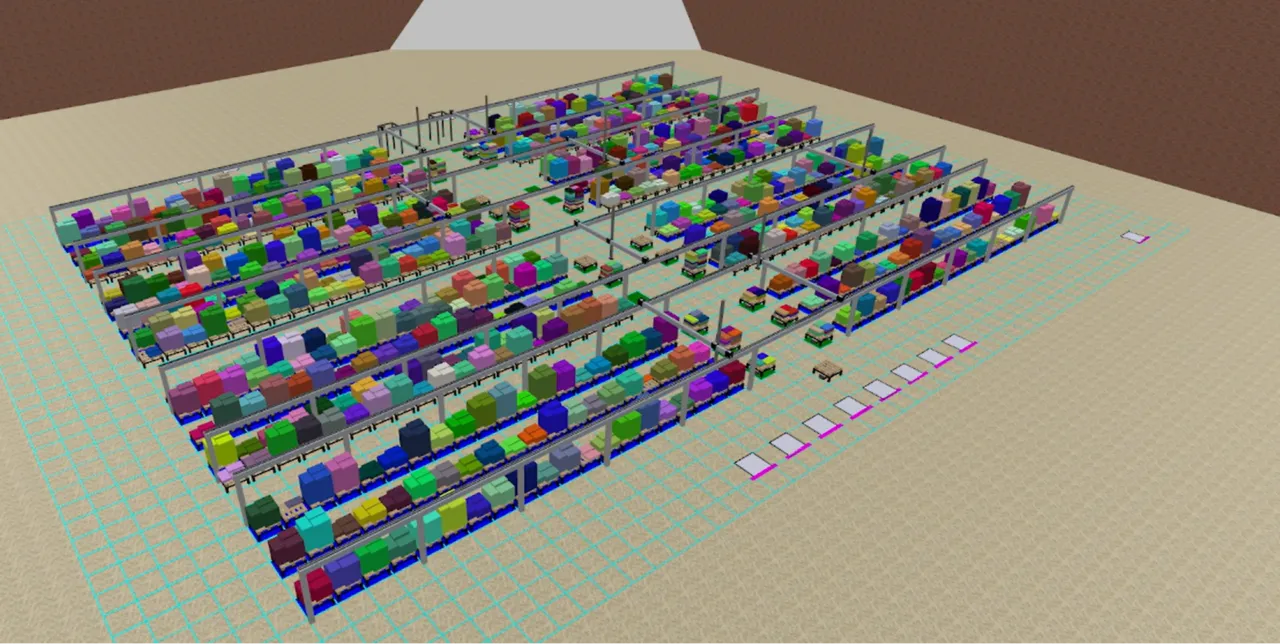
In the DCS-engineered layout, both source inventory pallets of bagged pet food and outbound store pallets sit on low racks. AMRs tunnel underneath the racks, lift them slightly off the floor, and transport them wherever the process requires. Associates stage source inventory — cases and bags of kibble, litter, and other bulk pet products — in rows. The zone spans eight separate work cells, each equipped with its own gantry crane, arranged four to a side along a central aisle staged with outbound pallets.
Each gantry crane carries a robotic arm fitted with vacuum end effectors and an integrated vision system. Directed by DATUM™, which orchestrates the entire process, the crane travels back and forth over the inventory pallets. Its on-board vision system detects and reads data tags and pinpoints the exact position of each bag on the source pallet to ensure a precise pick.
Integrated AI middleware continuously analyzes the vision data. That allows the robotic arm make minute adjustments as it places each bag of pet food onto the outbound mixed pallet. The result? A process that resembles playing a real-world game of Tetris with bags of kibble and litter instead of blocks.
The system decides where each bag belongs based on its dimensions. Simultaneously, it follows the sequential layout of the destination store’s planogram. This ensures the finished pallet unloads in the same order store associates walk the aisle. Once a pallet is complete, an AMR moves it to an automatic stretch wrapper to secure the load. Next, an automatic print-and-apply labeler tags it. Finally, another AMR then delivers an empty pallet to the vacated spot, and the cycle repeats. No associate ever lifts a bag.
DATUM™ Keeps Every Work Cell Fed and Moving
Because DATUM™ controls the distribution of picks across all eight work cells, it also anticipates when each cell will need replenishment. It stays several waves ahead, staging incoming pallets of bagged pet food in a nearby buffer zone and dynamically slotting them into cells as capacity opens up. AMRs handle that replenishment automatically. They also remove empty pallets once product picks are complete.
At peak productivity, the system builds approximately 28 mixed pallets per hour of store-ready pet food product. It is flexible and scalable enough to accommodate different inventory slotting schemes (mixed or mirrored) per work cell. Although this system is not in a fully dark distribution center, no human intervention is necessary anywhere in the pick-to-pallet process.
Building the Business Case for Automated Pet Food Palletizing
The primary driver behind this kind of automation investment is associate safety and retention, not payback period. Removing bagged pet food from manual handling eliminates the repetitive bending, lifting, and twisting that drives ergonomic injuries. Further, it significantly lowers associated workers’ compensation costs and the retraining that comes with high turnover in a physically demanding role.
The benefits carry through to the store level. By building each pallet to match the store’s planogram, store associates unload and restock shelves by walking the aisle in sequence, with no backtracking. Automated pallets are also more neatly assembled and better balanced than hand-built ones. Therefore, associates have an easier time maneuvering them through narrow store aisles without bags sliding or shifting.
Deft, Targeted Handling Keeps Product Safe
The automation’s consistent, predictable pace and dedicated work cell configuration further improve process reliability and uniformity. Guided by their vision systems, each gantry crane’s robotic arm and vacuum grippers pick up every bag in the optimal orientation to prevent damage. This meaningfully reduces the wasted product and cleanup that comes with a torn bag of kibble, litter, or other bulk pet food spilling across a pallet or trailer.
The Results
By automating mixed-bag palletizing, pet food retailers can build store-ready, planogram-sequenced pallets without exposing warehouse associates to the ergonomic strain of manually lifting 10- to 50-pound bags all shift long. That translates into fewer ergonomic injuries, lower workers’ compensation exposure, and better associate retention.
Store-level replenishment benefits too. Planogram-matched pallets let store associates restock shelves faster and with less backtracking. Meanwhile, more stable, better-balanced loads reduce the risk of bags shifting, splitting, or spilling kibble, litter, and other granular product in transit. At approximately 28 pallets per hour with no human intervention required in the pick-to-pallet process, the solution frees associates to be reassigned to safer, higher-value tasks elsewhere in the facility.
Moreover, the work cell layout is flexible and scalable. That enables it to accommodate varied inventory slotting schemes as SKU mixes and store assortments change. With the system, retailers of pet food and other bagged merchandise gain a scalable foundation that grows with the business.
DCS works with pet food and other bulk-bagged goods retailers to apply this same combination of AMRs, robotic picking, AI vision, and WES orchestration to their own mixed-SKU replenishment challenges.
# # #
About DCS
Headquartered in Franklin, Tenn., Designed Conveyor Systems (DCS) has nearly 45 years of experience serving major clients in multiple industries by providing material handling, full-scale warehouse operations, and conveyor design solutions that are custom crafted for their needs. DCS does not sell ready-made conveyor systems but builds relationships that empower collaboration to craft custom warehouse designs together. DCS utilizes consulting, engineering design, project management, installation services, and client support to ensure our customers can keep their promises to deliver on time.