
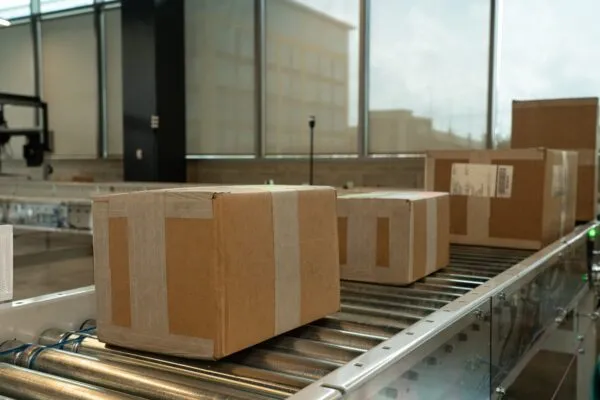
Package Handling
DCS’s design and engineering team has more than 40 years of experience creating unique parcel handling systems for diverse customer applications. With installations including semi-automated handling in small city distribution centers and fully automated, integrated hubs with advanced conveyor and sorter equipment, DCS routinely thinks outside the box.
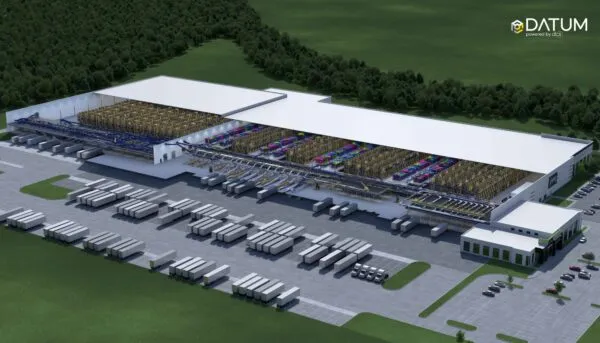
E-Commerce and Multi-Channel Fulfillment
DCS designs and implements end-to-end warehouse automation solutions for e-commerce and multi-channel retailers that address numerous workflow challenges. This includes solutions for receiving, putaway, storage, replenishment, order fulfillment, picking, packing, sortation, and outbound shipping. Our custom integrated warehouse, distribution, and fulfillment systems draw from a deep pool of conventional, semi-automated, and automated material handling technologies.
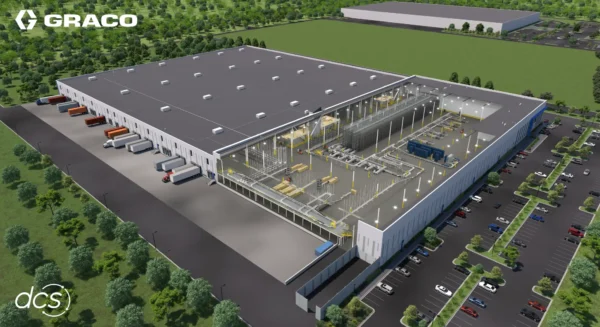
Various Distribution Applications
Whether an operation is considering the construction of a new distribution or fulfillment center, or a retrofit or expansion of an existing facility, it’s important to create a solution that fits the overarching supply chain strategy. DCS has four decades of experience designing and integrating comprehensive, end-to-end material handling solutions that meet a multitude of operational goals. Whether conventional, semi-automated, or fully automated, DCS can help your organization implement a custom solution that meets its goals while maximizing return on investment (ROI).

Supply Chain Consulting
The DCS Supply Chain Consulting team offers a range of services to help your operations address the challenges it faces. Working in partnership with you, DCS consultants analyze your business data- existing workforce, workflow processes, inventory, order data, operations, and more- to determine a strategy that addresses your unique needs. Whether you need an operations assessment, process improvement recommendations, or distribution design services, DCS consultants will help guide you to the material handling system or operational solution that best meets your current and future needs, as well as your budget.

Customer Support
Keeping your warehouse operations and material handling systems running smoothly and at the peak of productivity are the goals of DCS’ Customer Service Team. By partnering with DCS, your warehouse automation solution is supported from commissioning to end of life. You’ll receive comprehensive in-house training of your personnel, including specialized training of your designated internal system expert. Plus, DCS offers a complete package of spare parts and expert system troubleshooting support from qualified engineers dedicated to your installation.

System Design & Integration
DCS offers a broad range of material handling equipment and automated system design, installation, and integration services for a multitude of projects. These include retrofits, expansions, upgrades, and more. While every project is unique, our system design and execution processes are the same, encompassing meticulous attention to detail, frequent communication, and a dedicated partnership with our clients.
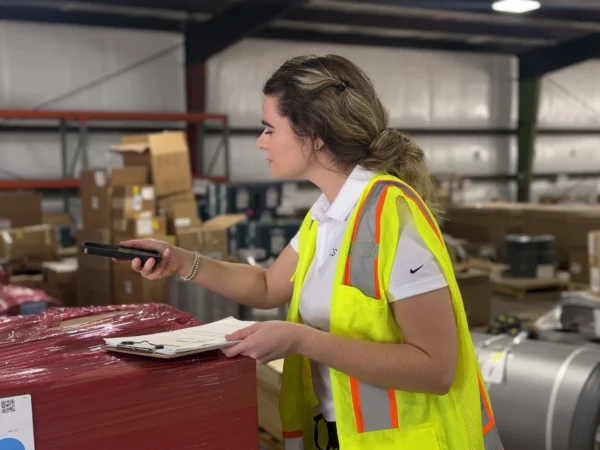
Lifecycle Services
Stop reactive repairs. Lifecycle Services provides expert preventive maintenance and 24/7 technical support to protect your automation and MHE availability.

Life Science & Healthcare
Pharmaceutical, healthcare, and life science companies face mounting pressure from evolving regulatory requirements, rising fulfillment costs, and intensifying accuracy demands. In this environment, automation isn’t optional—it’s essential. Designed Conveyor Systems (DCS) helps distributors of these critical products stay compliant and competitive.

Pet Food
Pet food distribution operations are anything but standard. From bulky kibble bags to delicate fish tanks, stock keeping unit (SKU) complexity and fulfillment pressure are always on the rise. Designed Conveyor Systems (DCS) partners with leading pet retailers to design and engineer automation, software, and material handling systems that keep operations agile, accurate, and ready for what’s next.

Home Improvement
When your distribution center handles everything from hammers to hot tubs, operational complexity isn’t a challenge—it’s your daily reality. Home improvement retailers face intense pressure to meet rising consumer expectations across multiple channels—from in-store pickups to last-mile delivery. At Designed Conveyor Systems (DCS), we specialize in engineering material handling and automation solutions that help home improvement distribution centers keep pace, reduce cost, and drive accuracy at scale.

Sporting Goods
Navigating the unique demands of the sporting goods retail industry requires a distribution strategy that’s both agile and precise. From handling seasonal surges to managing a diverse range of products—from bulky equipment to small accessories—your warehouse operations are the key to a seamless customer experience. Our expertise helps sporting goods retailers streamline their distribution warehouses, improving order accuracy, boosting productivity, and ensuring your team can efficiently move products from the receiving dock to the final customer, no matter the season.
Footwear
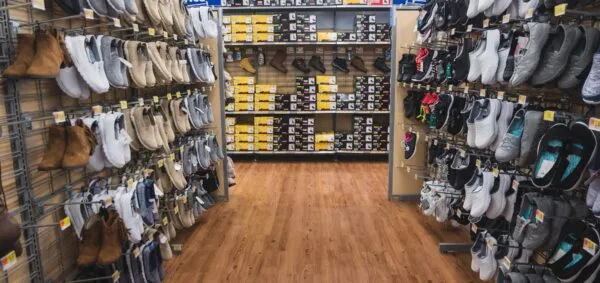
In the fast-paced world of footwear retail requires a distribution strategy that can handle a vast array of styles, sizes, and seasonal trends with precision and speed. From managing a high volume of SKUs to ensuring accurate order fulfillment and returns processing, your distribution center is the engine that drives customer satisfaction and brand loyalty. Our expertise helps footwear retailers streamline their distribution centers, improving inventory management, accelerating order processing, and ensuring your team can efficiently move products from the receiving dock to the final customer, no matter the season.
Wholesale & Industrial Distribution
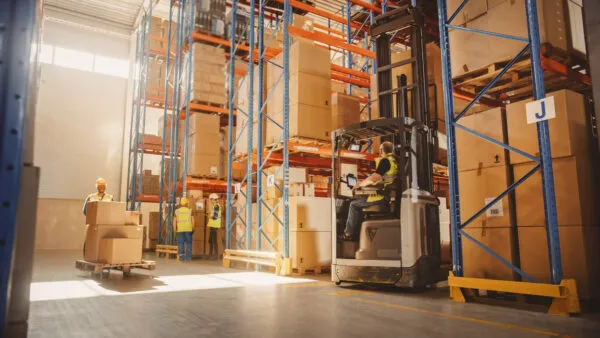
Designed Conveyor Systems (DCS) partners with wholesale, industrial, and electronics distributors to design efficient, optimized fulfillment solutions. Every operation DCS designs streamlines end-to-end functional processes—from inbound receiving and putaway to picking, packing, and shipping. Designed Conveyor Systems (DCS) partners with wholesale, industrial, and electronics distributors to design efficient, optimized fulfillment solutions. Every operation DCS designs streamlines end-to-end functional processes—from inbound receiving and putaway to picking, packing, and shipping.



About Us
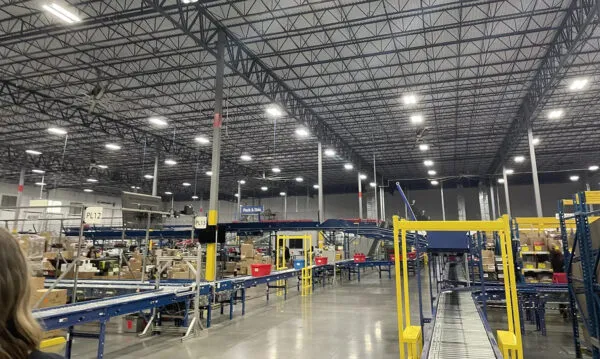
Designed Conveyor Systems (DCS) has 40 years of experience serving major clients in multiple industries by providing material handling, full-scale warehouse operations, and conveyor design solutions that are custom crafted for their needs. DCS does not sell ready-made conveyor systems but builds relationships that empower collaboration to craft custom warehouse designs together. DCS utilizes consulting, engineering design, project management, installation services, and client support to ensure our customers can keep their promises to deliver on time.
Projects
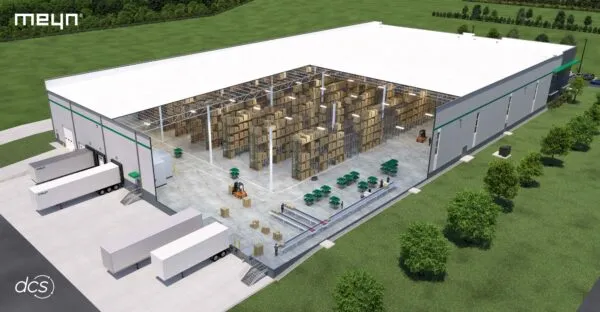
With more than 40 years of experience providing automated system design, installation, and integration services, DCS has created solutions for companies throughout the United States in a broad range of industries and markets. We’ve completed more than 1500 projects ranging from greenfield facilities with completely new systems to expansions and retrofits of existing operations.
Upcoming Events
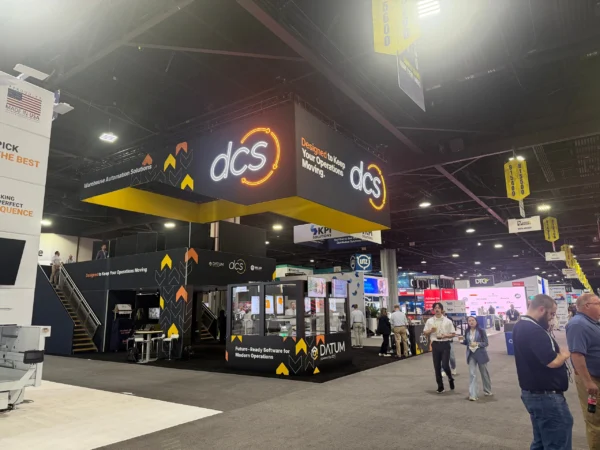
Designed Conveyor Systems values building strong relationships with our clients. Join us at our upcoming events to collaborate and discover how we can design a custom warehouse solution tailored to your unique needs.
5 Tips to Keep Your Material Handling System Installation Running Smoothly
5 Tips to Keep Your Material Handling System Installation Running Smoothly

When I wrote this originally, disruptions due to the pandemic were rampant. Today life has, in many respects, returned to normal. That includes material handling system installation projects — for which “normal” often means frequent disruptions! Therefore, it seemed the time was right to update this post with some tips for keeping a material handling system installation on track, no matter what obstacles arise.
Tip # 1: Communication among all parties is key.
Regardless of the external factors — geopolitical unrest, economic uncertainty, shipping delays — one of the most essential ways to minimize installation hiccups is communication between suppliers, integrators, and customers.
It’s critical that material handling systems integrators and their customers talk about situations as soon as they arise. More important, it’s essential to develop and offer potential remedies after identifying a threat to the build timeline. Doing so minimizes project disruptions and keeps progress moving forward — even if it isn’t necessarily in alignment with the original schedule.
Frequent formal and informal dialog ensures everyone is on the same page during a material handling system implementation. This applies whether a company is undertaking a greenfield distribution center construction project, or an update or expansion of an existing facility.
Whether the project is on-time, ahead of, or behind schedule, all parties — warehouse automation consultants, contractors, original equipment manufacturers (OEMs), material handling systems integrators — must agree to ongoing, frequent communication. This helps to ensure an equipment installation project’s timeline will run as smoothly as possible while minimizing unpleasant scheduling surprises.
Tip # 2: Buy material handling system components in bulk.
Sometimes a company will plan multiple facility upgrades or installations, either simultaneously or in close sequence. If the plan is for different facilities to utilize common pieces of material handling system equipment from the same supplier, it might make most sense to commission all the equipment at one time.
A bulk order often benefits a manufacturer’s production schedule. For example, an OEM can make several of the same component with one set of tooling before changing over their process to produce the next component.
A bulk buy can also create a stockpile of needed equipment for the customer. This can shorten delivery times or allow material handling systems integrators more flexibility in sourcing components needed for one project should another location’s installation one stall.
Tip # 3: Take inventory of material handling system equipment and parts.
Material handling system installations are complicated, dynamic projects. It’s rare for all the required equipment and components to arrive on time and in the exact installation sequence planned by the integrator. Manufacturing lead times can be negatively impacted by myriad events, such as inclement weather, shipping delays, raw materials sourcing challenges, and so on.
With uncertainty likely, smart material handling systems integrators prioritize having an exacting, precise inventory management process. Best practice is to document each piece of equipment and all components upon receipt.
If a key item is missing (or arrives damaged) and needs to be replaced, it is essential to immediately alert the OEM about the problem. Verify the situation with digital photos of the trailer prior to and after unloading. Then, send those images to the supplier promptly to have the best chance at keeping the project on schedule. Any lag time between discovering the issue and reporting it will likely add more days or weeks to delivery and installation timeframes.
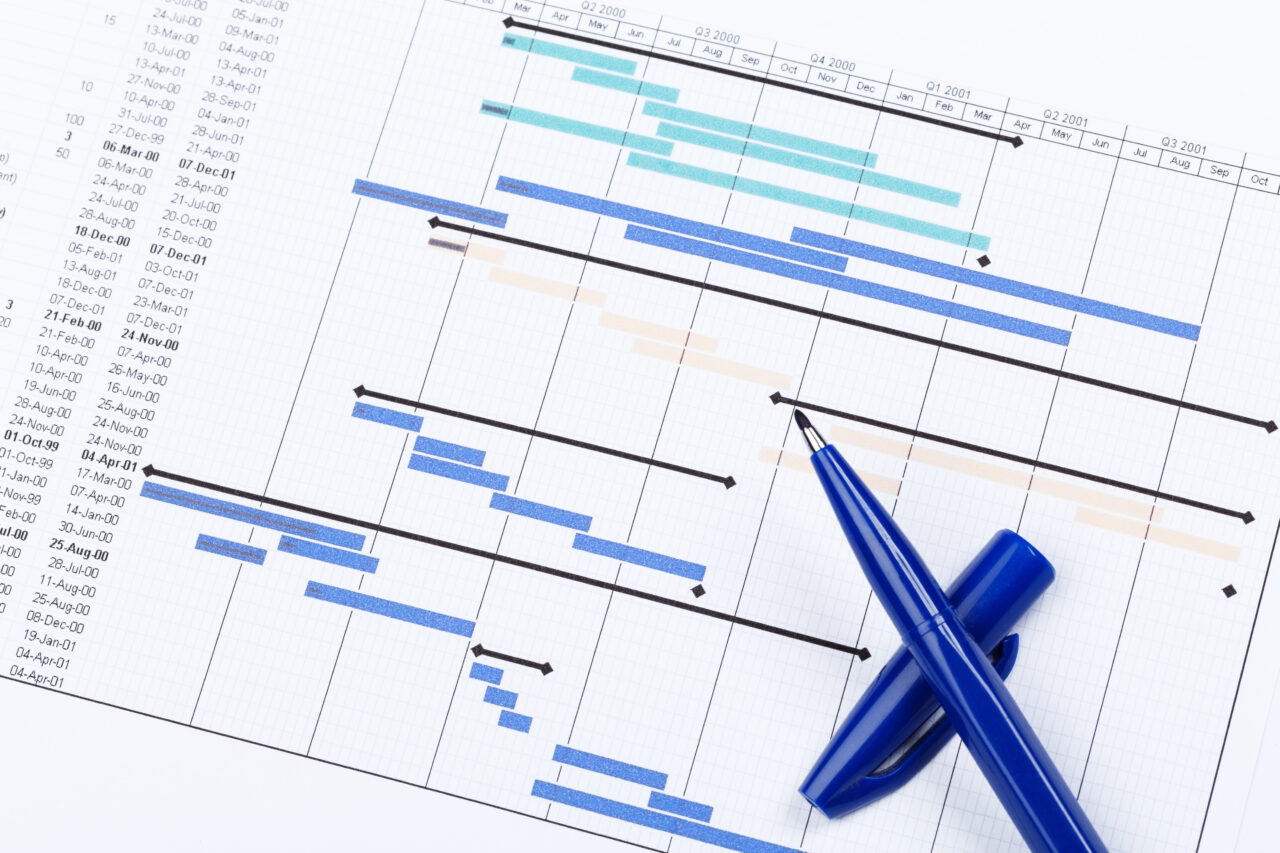
Tip # 4: Adjust the schedule to accommodate available equipment.
The more complex the installation project, the more difficult it is to follow a traditional step-by-step, phased deployment approach. Sometimes the best approach is to install the equipment that has already arrived on-site. Does that mean completing Phase 1 and skipping directly to Phase 3 because the Phase 2 components have yet to be delivered? It might.
Of course, physical gaps around the machinery may need to be left open to accommodate any forklifts (or other means of transporting the equipment), as well as for the addition of the missing parts. Likewise, the components that are installed may need to be left partially unfastened in order to make the detailed adjustments required to fit the different parts together.
However, as long as the engineering drawings are correct and precise, it should be possible to continue to install the elements that have been delivered in order to keep the project on track.
Tip # 5: Provide on-site storage for received material handling system components.
As noted previously, components and equipment required for a new system installation rarely arrive in alignment with the build schedule. Sometimes the building itself is not ready to accept the material handling system components or equipment. Therefore, it’s extremely helpful if a customer can provide their material handling systems integrators with a secure storage area to hold received equipment.
This storage space might be an empty corner of the existing facility. Alternately, it could be a separate warehouse on the same campus (or one located nearby). By providing a safe space on-site to store system parts and components, items can still be delivered and available when needed. This is particularly helpful in a new construction or expansion project.
Let DCS Handle Your Next Material Handling System Installation
In my experience managing customers’ projects with DCS, applying these tips at different deployments has made a critical difference in ensuring that installations stay on schedule.
Want to learn more about working with DCS on your next material handling system installation? Connect with us.
_
Author
 Brian Niccum, Director of Site Management, briann@designedconveyor.com
With 20+ years in the industrial, baggage and material handling industries in both airports and distribution warehouses, Brian has developed and refined an expertise in electro-mechanical conveyance installations. In his career he has worn several hats, from an apprenticeship level to superintendent, and now proudly wears one as our Director of Site Management. Brian has a love for comedies, sports and more importantly his family and three bulldogs. They thoroughly enjoy Disney trips as well as spending time at the beach and in the Smokey Mountains.