
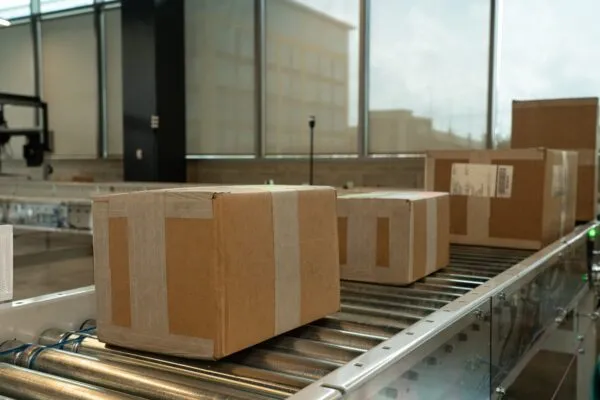
Package Handling
DCS’s design and engineering team has more than 40 years of experience creating unique parcel handling systems for diverse customer applications. With installations including semi-automated handling in small city distribution centers and fully automated, integrated hubs with advanced conveyor and sorter equipment, DCS routinely thinks outside the box.
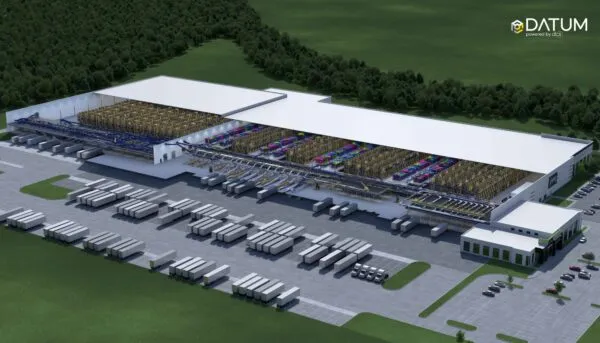
E-Commerce and Multi-Channel Fulfillment
DCS designs and implements end-to-end warehouse automation solutions for e-commerce and multi-channel retailers that address numerous workflow challenges. This includes solutions for receiving, putaway, storage, replenishment, order fulfillment, picking, packing, sortation, and outbound shipping. Our custom integrated warehouse, distribution, and fulfillment systems draw from a deep pool of conventional, semi-automated, and automated material handling technologies.
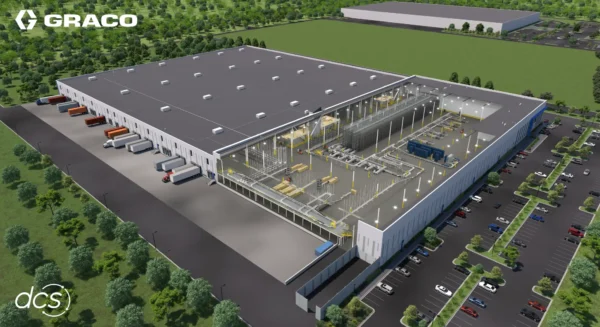
Various Distribution Applications
Whether an operation is considering the construction of a new distribution or fulfillment center, or a retrofit or expansion of an existing facility, it’s important to create a solution that fits the overarching supply chain strategy. DCS has four decades of experience designing and integrating comprehensive, end-to-end material handling solutions that meet a multitude of operational goals. Whether conventional, semi-automated, or fully automated, DCS can help your organization implement a custom solution that meets its goals while maximizing return on investment (ROI).

Supply Chain Consulting
The DCS Supply Chain Consulting team offers a range of services to help your operations address the challenges it faces. Working in partnership with you, DCS consultants analyze your business data- existing workforce, workflow processes, inventory, order data, operations, and more- to determine a strategy that addresses your unique needs. Whether you need an operations assessment, process improvement recommendations, or distribution design services, DCS consultants will help guide you to the material handling system or operational solution that best meets your current and future needs, as well as your budget.

Customer Support
Keeping your warehouse operations and material handling systems running smoothly and at the peak of productivity are the goals of DCS’ Customer Service Team. By partnering with DCS, your warehouse automation solution is supported from commissioning to end of life. You’ll receive comprehensive in-house training of your personnel, including specialized training of your designated internal system expert. Plus, DCS offers a complete package of spare parts and expert system troubleshooting support from qualified engineers dedicated to your installation.

System Design & Integration
DCS offers a broad range of material handling equipment and automated system design, installation, and integration services for a multitude of projects. These include retrofits, expansions, upgrades, and more. While every project is unique, our system design and execution processes are the same, encompassing meticulous attention to detail, frequent communication, and a dedicated partnership with our clients.
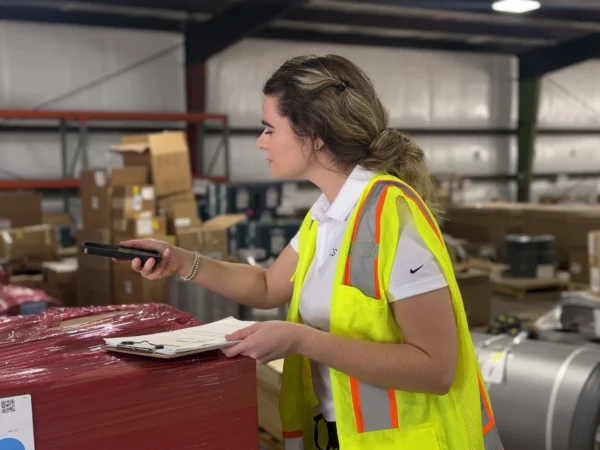
Lifecycle Services
Stop reactive repairs. Lifecycle Services provides expert preventive maintenance and 24/7 technical support to protect your automation and MHE availability.

Life Science & Healthcare
Pharmaceutical, healthcare, and life science companies face mounting pressure from evolving regulatory requirements, rising fulfillment costs, and intensifying accuracy demands. In this environment, automation isn’t optional—it’s essential. Designed Conveyor Systems (DCS) helps distributors of these critical products stay compliant and competitive.

Pet Food
Pet food distribution operations are anything but standard. From bulky kibble bags to delicate fish tanks, stock keeping unit (SKU) complexity and fulfillment pressure are always on the rise. Designed Conveyor Systems (DCS) partners with leading pet retailers to design and engineer automation, software, and material handling systems that keep operations agile, accurate, and ready for what’s next.

Home Improvement
When your distribution center handles everything from hammers to hot tubs, operational complexity isn’t a challenge—it’s your daily reality. Home improvement retailers face intense pressure to meet rising consumer expectations across multiple channels—from in-store pickups to last-mile delivery. At Designed Conveyor Systems (DCS), we specialize in engineering material handling and automation solutions that help home improvement distribution centers keep pace, reduce cost, and drive accuracy at scale.

Sporting Goods
Navigating the unique demands of the sporting goods retail industry requires a distribution strategy that’s both agile and precise. From handling seasonal surges to managing a diverse range of products—from bulky equipment to small accessories—your warehouse operations are the key to a seamless customer experience. Our expertise helps sporting goods retailers streamline their distribution warehouses, improving order accuracy, boosting productivity, and ensuring your team can efficiently move products from the receiving dock to the final customer, no matter the season.

Footwear
In the fast-paced world of footwear retail requires a distribution strategy that can handle a vast array of styles, sizes, and seasonal trends with precision and speed. From managing a high volume of SKUs to ensuring accurate order fulfillment and returns processing, your distribution center is the engine that drives customer satisfaction and brand loyalty. Our expertise helps footwear retailers streamline their distribution centers, improving inventory management, accelerating order processing, and ensuring your team can efficiently move products from the receiving dock to the final customer, no matter the season.

Wholesale & Industrial Distribution
Designed Conveyor Systems (DCS) partners with wholesale, industrial, and electronics distributors to design efficient, optimized fulfillment solutions. Every operation DCS designs streamlines end-to-end functional processes—from inbound receiving and putaway to picking, packing, and shipping. Designed Conveyor Systems (DCS) partners with wholesale, industrial, and electronics distributors to design efficient, optimized fulfillment solutions. Every operation DCS designs streamlines end-to-end functional processes—from inbound receiving and putaway to picking, packing, and shipping.




About Us
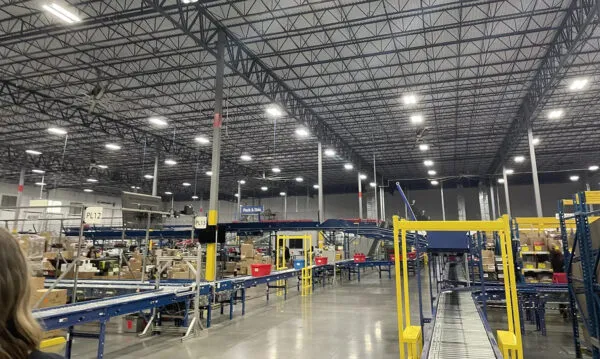
Designed Conveyor Systems (DCS) has 40 years of experience serving major clients in multiple industries by providing material handling, full-scale warehouse operations, and conveyor design solutions that are custom crafted for their needs. DCS does not sell ready-made conveyor systems but builds relationships that empower collaboration to craft custom warehouse designs together. DCS utilizes consulting, engineering design, project management, installation services, and client support to ensure our customers can keep their promises to deliver on time.
Projects
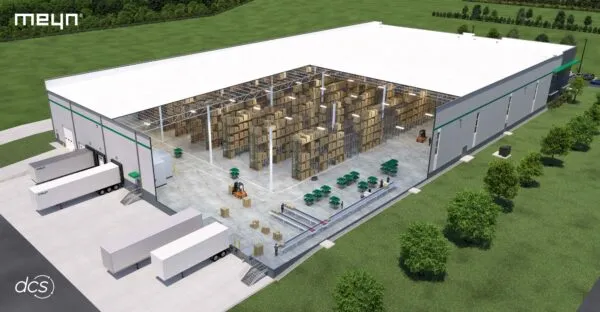
With more than 40 years of experience providing automated system design, installation, and integration services, DCS has created solutions for companies throughout the United States in a broad range of industries and markets. We’ve completed more than 1500 projects ranging from greenfield facilities with completely new systems to expansions and retrofits of existing operations.
Upcoming Events
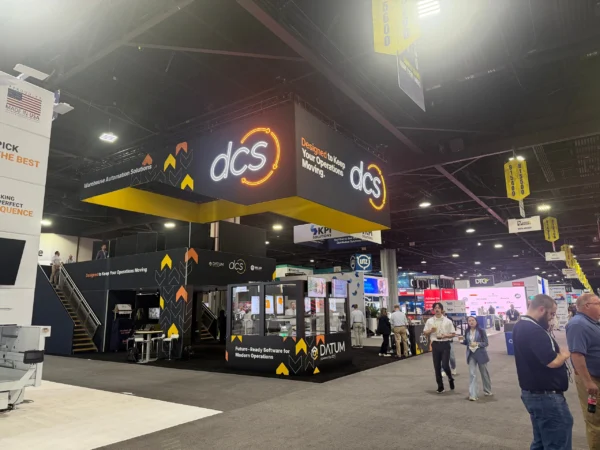
Designed Conveyor Systems values building strong relationships with our clients. Join us at our upcoming events to collaborate and discover how we can design a custom warehouse solution tailored to your unique needs.
Material Handling Systems Integrators: 45 Years of Growth and Innovation at DCS
Material Handling Systems Integrators: 45 Years of Growth and Innovation at DCS
By Meg Culler Smith, Vice President of Supply Chain and Engineering
Designed Conveyor Systems (DCS) is approaching 45 years as one of the leading material handling systems integrators, helping companies design and implement scalable automation across retail, distribution, parcel, and manufacturing operations.
Over the past four decades, the company has evolved alongside the industry—from installing conveyor equipment to delivering highly sophisticated custom material handling systems that combine automation, robotics, software, and data-driven engineering.
As a member of the DCS leadership team and an employee for more than 20 years, I’ve had the opportunity to see that evolution firsthand. What stands out most isn’t just the growth of the company, but the culture and strategic decisions that allowed DCS to grow into a trusted partner for companies implementing automated material handling solutions.
What Do Material Handling Systems Integrators Do?
Material handling systems integrators design, engineer, and implement automation technologies that move products efficiently through warehouses, distribution centers, and manufacturing facilities.
Unlike individual equipment manufacturers, integrators bring together multiple technologies to build cohesive systems tailored to each facility’s operational needs.
Typical responsibilities of warehouse automation integrators include:
- Designing custom material handling systems based on operational data.
- Integrating conveyors, sortation, robotics, and software platforms.
- Optimizing facility layouts and product flow.
- Implementing scalable automated material handling solutions.
- Managing installation and system commissioning.
The goal is not simply to install automation, but to create systems that improve throughput, accuracy, and operational flexibility.
The Evolution of Custom Material Handling Systems at DCS
When I joined DCS in the early 2000s, the organization was much smaller than it is today. At that time, we had approximately 20 employees working across engineering, operations, customer service, and leadership.
In those early years, DCS focused heavily on integrating conveyor and sortation solutions for the parcel and distribution industries. We also worked as a subcontractor for larger original equipment manufacturers (OEMs), supporting their projects by providing engineering expertise, installation services, and equipment integration.
One milestone I remember clearly was our first $1 million turnkey project for a major parcel carrier. At the time, reaching that level of project scope felt like a huge accomplishment.
Today, the scale of our work has grown dramatically. Many projects now involve complex custom material handling systems valued in the tens of millions of dollars, and DCS often serves as the prime contractor responsible for delivering the entire solution.
Scaling Automated Material Handling Solutions Through Market Shifts
The material handling industry has always been shaped by economic cycles and technological change.
During the Great Recession of 2008, project activity slowed across the industry. For many companies—including DCS—it was a challenging period that required reevaluating strategy and identifying new growth opportunities.
As the economy recovered, DCS leadership made a deliberate decision to pursue a more aggressive growth strategy. The goal was not simply to increase revenue but to expand the organization’s capabilities and provide employees with opportunities to develop new expertise.
By 2012, DCS began targeting larger and more complex projects while expanding into new industries. At the same time, the company increasingly focused on delivering integrated automated material handling solutions rather than individual system components.
This strategic shift helped position DCS as a full-service material handling systems integrator capable of supporting large-scale automation initiatives.
How Industry Consolidation Highlights the Need for Trusted Warehouse Automation Integrators
Another major change during this period was consolidation across the automation industry. Many system suppliers merged or were acquired, creating larger organizations that focused primarily on the biggest projects.
As a result, smaller and mid-sized projects were often referred to trusted partners like DCS.
Relationships played a major role in this process. In the material handling industry, professionals frequently move between companies while remaining in the same field. Engineers, operations leaders, and project managers who had previously worked with DCS often recommended the company when they encountered new automation challenges.
Even today, those professional relationships continue to generate referrals for projects involving warehouse automation systems, conveyor networks, and integrated fulfillment technologies.
The Culture Behind Successful Warehouse Automation Integrators
While strategy and industry trends helped drive growth, one of the most important factors behind DCS’ success has always been its culture.
At DCS, every employee is encouraged to contribute ideas for improving processes, engineering solutions, and project execution. The organization operates under a simple philosophy: innovation happens when people collaborate and share perspectives.
That mindset has enabled our teams to develop creative approaches to designing custom material handling systems that address real operational challenges.
Just as importantly, this collaborative environment fosters strong employee engagement. Many members of our team demonstrate a high level of personal investment in the success of the company and the solutions we deliver to customers.
Scaling Culture in a Growing Organization
As DCS has experienced significant headcount growth over the past few years, preserving that culture has remained a top priority.
In earlier years, most employees worked together in the same office. Today, roughly half of the organization works remotely across the United States, and most teams meet in person only a few times a year. Even local team members generally only spend one to two days in the office, max
Maintaining engagement across a distributed workforce requires intentional effort—and we feel this is one of the most critical efforts we should make. To support this goal, DCS created a dedicated role within our People & Culture department focused on strengthening connections across the organization.
Leadership team members also travel more frequently to visit employees on job sites and project locations. These visits provide opportunities to offer support, strengthen relationships, and ensure teams have the resources they need to succeed.
Investing in the Next Generation of Automation Engineers
As the material handling industry continues to evolve, attracting new talent has become increasingly important.
To help address this need, DCS launched an Engineering Development Program (EDP) designed to recruit and train recent graduates for careers in warehouse automation and system integration. The rigorous program provides entry-level engineers with opportunities throughout DCS. They gain hands-on experience designing automated material handling solutions. They also grow with mentorship from experienced automation engineers.
Beyond recruiting new engineers, the program also helps bring fresh perspectives into the organization. New ideas and diverse viewpoints are essential for driving innovation in complex fields like warehouse automation integration. Since the program began in 2023, each EDP class has made significant impacts on the success of DCS.
The Future of Custom Material Handling Systems
The material handling industry is entering a period of rapid technological advancement. Automation technologies—including robotics, AI-driven software platforms, and advanced sortation systems—are transforming how distribution and manufacturing facilities operate. Companies are increasingly looking for warehouse automation integrators who can combine these technologies into cohesive systems that support long-term growth.
For organizations implementing new automation initiatives, success often depends on choosing the right integration partner. Experienced material handling systems integrators understand how to align technology with operational strategy, ensuring that automation investments deliver measurable business results.
The Next 45 Years: Driving Innovation in Automated Material Handling Solutions
As DCS celebrates nearly 45 years in the industry, the company remains focused on helping customers design and implement scalable custom material handling systems. While technology continues to evolve, the core principles that have guided the organization remain the same:
- DCS’ Mission is to deliver the best customer and employee experience in the industry.
- DCS’ Purpose is to provide material handling solutions so that our clients can keep their promises to deliver on time.
- DCS’ 5 Key Values are:
- Be Reliable: If we commit, we are going to do it.
- Be Learning Oriented: We are always improving.
- Be Bold: We are not afraid to speak up, then fully commit.
- Be Easy to Work With: We are helpful and low-hassle.
- Be a Problem-Solver: Our first response is “Let’s figure it out.”
Those values have helped DCS grow from a small team into a trusted provider of automated material handling solutions for some of the most demanding distribution and manufacturing environments. And if the past four decades are any indication, the next chapter of growth and innovation is just beginning.
Planning a Warehouse Automation Project? Partner with DCS
If your organization is evaluating automation strategies or facility expansion plans, working with experienced warehouse automation integrators can help ensure long-term success. Designed Conveyor Systems (DCS) specializes in designing and implementing custom material handling systems that improve throughput, optimize workflow, and support future growth.
Learn more about how DCS helps companies implement scalable automated material handling solutions by connecting with our team.