
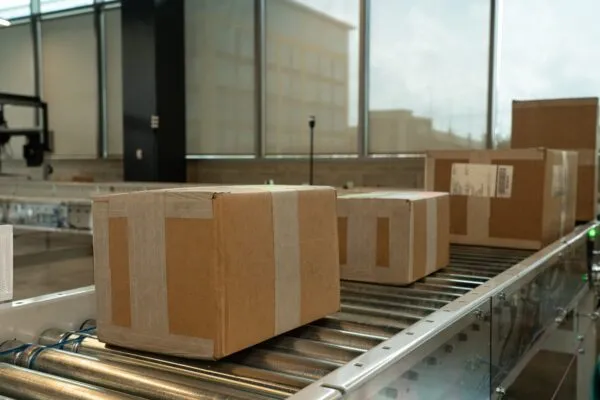
Package Handling
DCS’s design and engineering team has more than 40 years of experience creating unique parcel handling systems for diverse customer applications. With installations including semi-automated handling in small city distribution centers and fully automated, integrated hubs with advanced conveyor and sorter equipment, DCS routinely thinks outside the box.
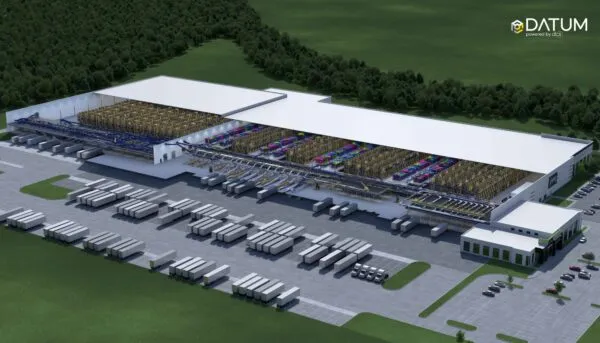
E-Commerce and Multi-Channel Fulfillment
DCS designs and implements end-to-end warehouse automation solutions for e-commerce and multi-channel retailers that address numerous workflow challenges. This includes solutions for receiving, putaway, storage, replenishment, order fulfillment, picking, packing, sortation, and outbound shipping. Our custom integrated warehouse, distribution, and fulfillment systems draw from a deep pool of conventional, semi-automated, and automated material handling technologies.
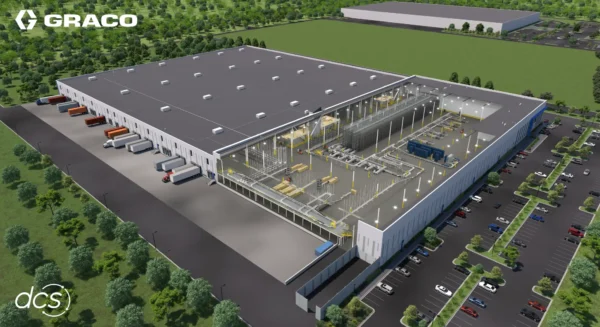
Various Distribution Applications
Whether an operation is considering the construction of a new distribution or fulfillment center, or a retrofit or expansion of an existing facility, it’s important to create a solution that fits the overarching supply chain strategy. DCS has four decades of experience designing and integrating comprehensive, end-to-end material handling solutions that meet a multitude of operational goals. Whether conventional, semi-automated, or fully automated, DCS can help your organization implement a custom solution that meets its goals while maximizing return on investment (ROI).

Supply Chain Consulting
The DCS Supply Chain Consulting team offers a range of services to help your operations address the challenges it faces. Working in partnership with you, DCS consultants analyze your business data- existing workforce, workflow processes, inventory, order data, operations, and more- to determine a strategy that addresses your unique needs. Whether you need an operations assessment, process improvement recommendations, or distribution design services, DCS consultants will help guide you to the material handling system or operational solution that best meets your current and future needs, as well as your budget.

Customer Support
Keeping your warehouse operations and material handling systems running smoothly and at the peak of productivity are the goals of DCS’ Customer Service Team. By partnering with DCS, your warehouse automation solution is supported from commissioning to end of life. You’ll receive comprehensive in-house training of your personnel, including specialized training of your designated internal system expert. Plus, DCS offers a complete package of spare parts and expert system troubleshooting support from qualified engineers dedicated to your installation.

System Design & Integration
DCS offers a broad range of material handling equipment and automated system design, installation, and integration services for a multitude of projects. These include retrofits, expansions, upgrades, and more. While every project is unique, our system design and execution processes are the same, encompassing meticulous attention to detail, frequent communication, and a dedicated partnership with our clients.
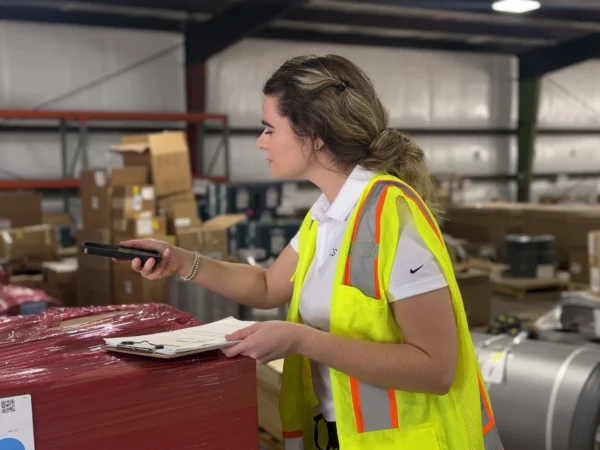
Lifecycle Services
Stop reactive repairs. Lifecycle Services provides expert preventive maintenance and 24/7 technical support to protect your automation and MHE availability.

Life Science & Healthcare
Pharmaceutical, healthcare, and life science companies face mounting pressure from evolving regulatory requirements, rising fulfillment costs, and intensifying accuracy demands. In this environment, automation isn’t optional—it’s essential. Designed Conveyor Systems (DCS) helps distributors of these critical products stay compliant and competitive.

Pet Food
Pet food distribution operations are anything but standard. From bulky kibble bags to delicate fish tanks, stock keeping unit (SKU) complexity and fulfillment pressure are always on the rise. Designed Conveyor Systems (DCS) partners with leading pet retailers to design and engineer automation, software, and material handling systems that keep operations agile, accurate, and ready for what’s next.

Home Improvement
When your distribution center handles everything from hammers to hot tubs, operational complexity isn’t a challenge—it’s your daily reality. Home improvement retailers face intense pressure to meet rising consumer expectations across multiple channels—from in-store pickups to last-mile delivery. At Designed Conveyor Systems (DCS), we specialize in engineering material handling and automation solutions that help home improvement distribution centers keep pace, reduce cost, and drive accuracy at scale.

Sporting Goods
Navigating the unique demands of the sporting goods retail industry requires a distribution strategy that’s both agile and precise. From handling seasonal surges to managing a diverse range of products—from bulky equipment to small accessories—your warehouse operations are the key to a seamless customer experience. Our expertise helps sporting goods retailers streamline their distribution warehouses, improving order accuracy, boosting productivity, and ensuring your team can efficiently move products from the receiving dock to the final customer, no matter the season.
Footwear
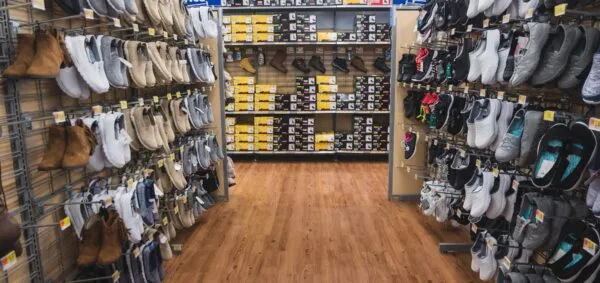
In the fast-paced world of footwear retail requires a distribution strategy that can handle a vast array of styles, sizes, and seasonal trends with precision and speed. From managing a high volume of SKUs to ensuring accurate order fulfillment and returns processing, your distribution center is the engine that drives customer satisfaction and brand loyalty. Our expertise helps footwear retailers streamline their distribution centers, improving inventory management, accelerating order processing, and ensuring your team can efficiently move products from the receiving dock to the final customer, no matter the season.
Wholesale & Industrial Distribution
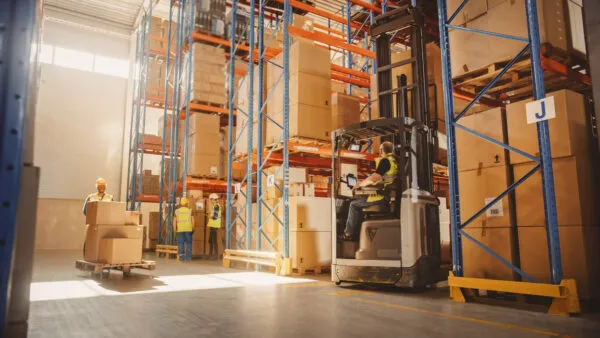
Designed Conveyor Systems (DCS) partners with wholesale, industrial, and electronics distributors to design efficient, optimized fulfillment solutions. Every operation DCS designs streamlines end-to-end functional processes—from inbound receiving and putaway to picking, packing, and shipping. Designed Conveyor Systems (DCS) partners with wholesale, industrial, and electronics distributors to design efficient, optimized fulfillment solutions. Every operation DCS designs streamlines end-to-end functional processes—from inbound receiving and putaway to picking, packing, and shipping.


About Us
Designed Conveyor Systems (DCS) has 40 years of experience serving major clients in multiple industries by providing material handling, full-scale warehouse operations, and conveyor design solutions that are custom crafted for their needs. DCS does not sell ready-made conveyor systems but builds relationships that empower collaboration to craft custom warehouse designs together. DCS utilizes consulting, engineering design, project management, installation services, and client support to ensure our customers can keep their promises to deliver on time.
Projects
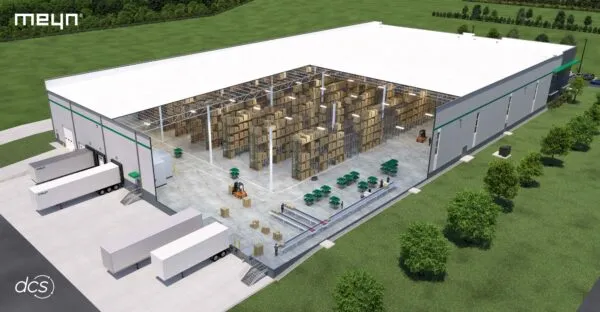
With more than 40 years of experience providing automated system design, installation, and integration services, DCS has created solutions for companies throughout the United States in a broad range of industries and markets. We’ve completed more than 1500 projects ranging from greenfield facilities with completely new systems to expansions and retrofits of existing operations.
Upcoming Events
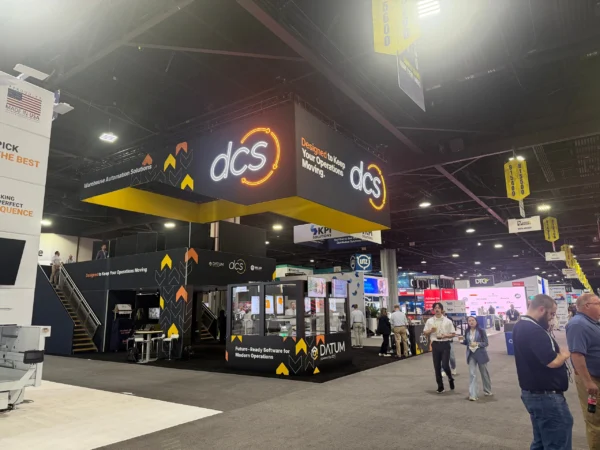
Designed Conveyor Systems values building strong relationships with our clients. Join us at our upcoming events to collaborate and discover how we can design a custom warehouse solution tailored to your unique needs.
Is It Time to Update Your Conveyor Design? Look for One or More of These Six Signs.
Is It Time to Update Your Conveyor Design? Look for One or More of These Six Signs.
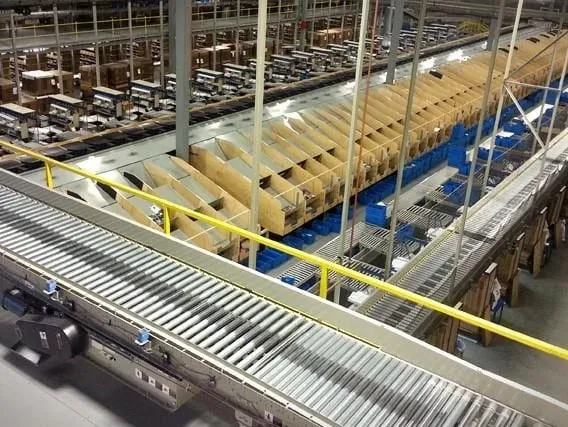
Your conveyor system does more than move product. It defines how your operation performs. Whether you’re using conveyors for e-commerce automation, retail distribution, manufacturing, or wholesale fulfillment, your package handling system plays a central role in throughput, accuracy, and efficiency.
Even small inefficiencies can ripple across the entire operation, impacting labor, costs, and customer experience. What makes this challenging is that problems rarely appear all at once. They build over time—until performance, reliability, and scalability begin to suffer.
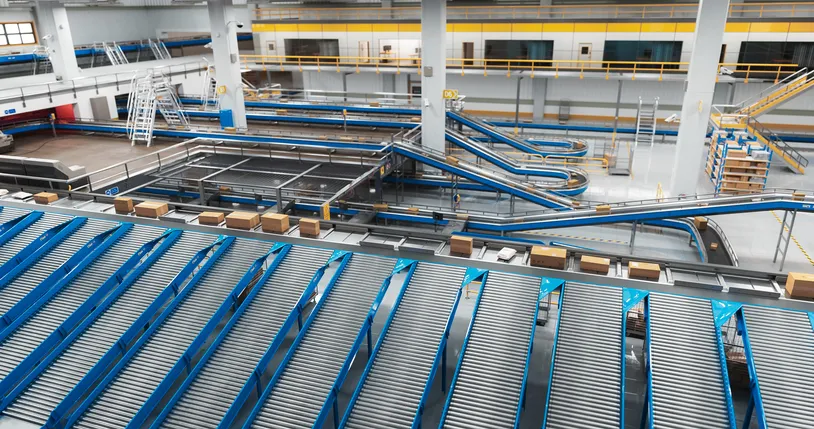
At the same time, modern custom material handling systems built around conveyors offer greater flexibility, smarter controls, and tighter integration across operations. But those benefits only matter if your current conveyor design can support them.
So how do you know when it’s time to make a change? Here are six clear signals.
1. Demand Is Outpacing Your System.
Growth is a positive sign. However, it can also expose system limitations. As order volume increases, your package handling system may begin to show strain. Throughput slows, bottlenecks form, and labor teams work harder to maintain output. This is especially common in environments relying on conveyors for e-commerce automation, where order profiles and volume variability can shift quickly.
A modernized conveyor design helps rebalance flow, increase throughput, and create the capacity needed to support continued growth.
2. Maintenance Is Becoming a Daily Event.
Routine maintenance is expected. Constant repairs are not. Frequent breakdowns often point to deeper issues within your conveyor design. These can include uneven load distribution, over-utilized zones, or equipment operating beyond its intended capacity. Over time, this drives up costs and introduces risk across your operation.
Updating your system as part of a broader custom material handling systems strategy helps improve reliability while reducing long-term maintenance demands.
3. Your Product Mix Has Changed.
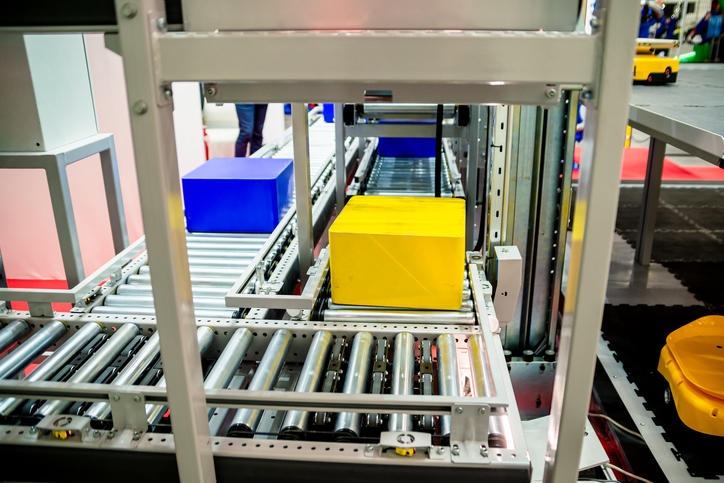
Operations evolve—and so do the products moving through them. Changes in stock keeping unit (SKU) size, weight, or packaging can quickly impact how well your package handling system performs. Items may no longer convey smoothly, leading to manual intervention, slower processing, and increased error potential.
Modern conveyor designs are built to handle a wider range of product types. This ensures greater flexibility as your business grows and diversifies.
4. Inefficiencies Are Becoming the Norm.
Small inefficiencies have a way of becoming permanent. Extra touches, manual re-routing, and idle time between processes may seem manageable in isolation. But together, they create significant drag on system performance. In many cases, these issues stem from legacy conveyor layouts that no longer align with current workflows.
Revisiting your design allows you to eliminate friction points and better align your system with today’s operational demands. A conveyor modernization can significantly enhance productivity n distribution, manufacturing, or conveyors for e-commerce automation environments.
5. You Need New Capabilities.
As your operation grows, so do your requirements. You may need to introduce new fulfillment methods, increase sortation accuracy, or integrate automation technologies. But legacy conveyor systems are not always designed to support these changes.
Modern custom material handling systems prioritize flexibility. This makes it easier to layer in new capabilities without disrupting existing processes.
6. Errors Are Increasing.
Rising error rates are often a sign that your system is under strain. Missed picks, mis-sorts, and damaged products can result from both process inefficiencies and system limitations. These issues not only impact internal performance—they directly affect customer satisfaction.
An optimized package handling system improves flow and reduces manual touch points. It also helps ensure products move accurately through every stage of the operation.
Modernization Starts with the Right Strategy
Updating your conveyor system doesn’t always mean a full replacement.
In many cases, targeted upgrades—such as layout adjustments, controls enhancements, or integration improvements—can significantly improve performance. The key is understanding how your current system operates within the broader material handling environment.
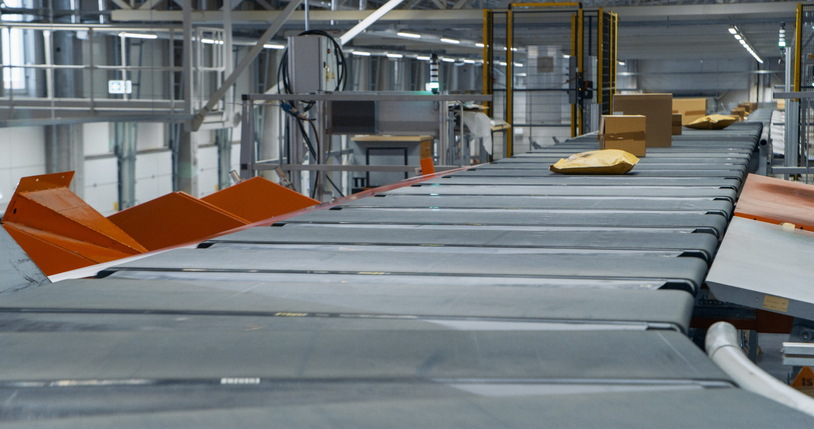
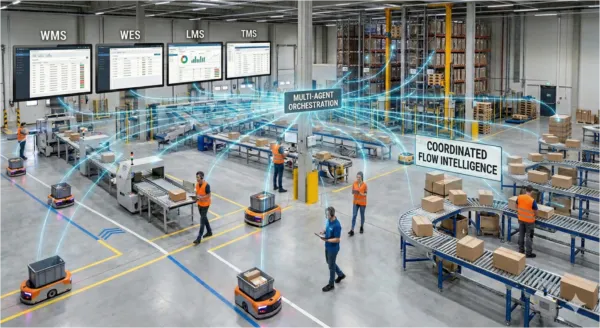
If your operation is showing any of the six signs detailed above, it may be time to reevaluate your conveyor design. The most effective solutions take a holistic view: aligning conveyors, automation, and software into a unified approach.
The right investment in custom material handling systems—including modern package handling systems and scalable conveyors for e-commerce automation—can unlock efficiency today while positioning your operation for future growth.
Ready to get more from your conveyor system? Connect with DCS to evaluate your current design and identify practical, low-risk opportunities to modernize. Our team will help you improve performance, extend system life, and align your operation with future growth.