
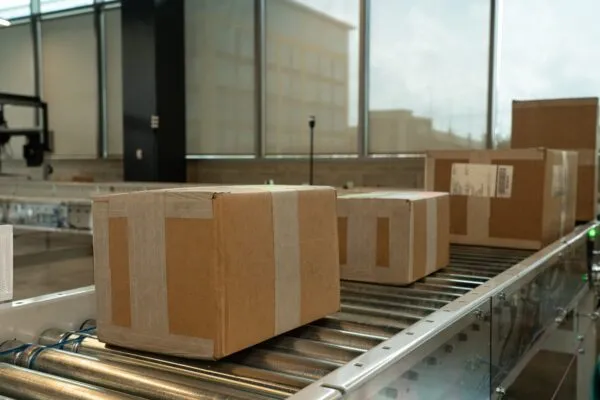
Package Handling
DCS’s design and engineering team has more than 40 years of experience creating unique parcel handling systems for diverse customer applications. With installations including semi-automated handling in small city distribution centers and fully automated, integrated hubs with advanced conveyor and sorter equipment, DCS routinely thinks outside the box.
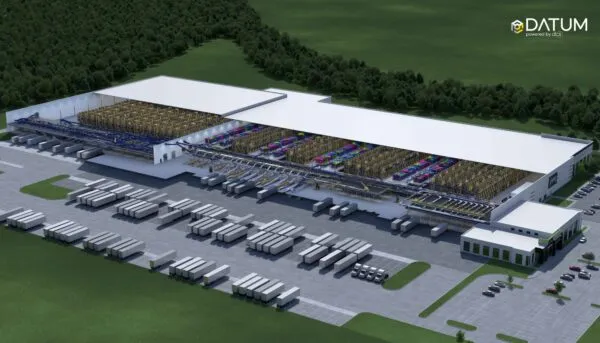
E-Commerce and Multi-Channel Fulfillment
DCS designs and implements end-to-end warehouse automation solutions for e-commerce and multi-channel retailers that address numerous workflow challenges. This includes solutions for receiving, putaway, storage, replenishment, order fulfillment, picking, packing, sortation, and outbound shipping. Our custom integrated warehouse, distribution, and fulfillment systems draw from a deep pool of conventional, semi-automated, and automated material handling technologies.
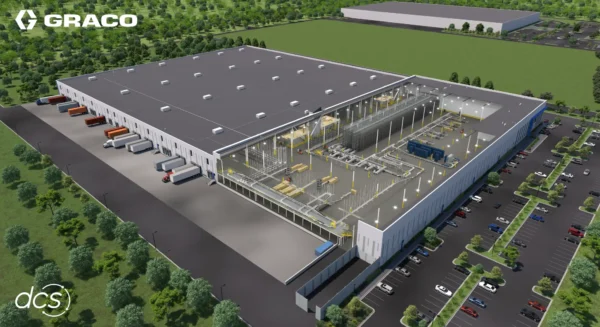
Various Distribution Applications
Whether an operation is considering the construction of a new distribution or fulfillment center, or a retrofit or expansion of an existing facility, it’s important to create a solution that fits the overarching supply chain strategy. DCS has four decades of experience designing and integrating comprehensive, end-to-end material handling solutions that meet a multitude of operational goals. Whether conventional, semi-automated, or fully automated, DCS can help your organization implement a custom solution that meets its goals while maximizing return on investment (ROI).

Supply Chain Consulting
The DCS Supply Chain Consulting team offers a range of services to help your operations address the challenges it faces. Working in partnership with you, DCS consultants analyze your business data- existing workforce, workflow processes, inventory, order data, operations, and more- to determine a strategy that addresses your unique needs. Whether you need an operations assessment, process improvement recommendations, or distribution design services, DCS consultants will help guide you to the material handling system or operational solution that best meets your current and future needs, as well as your budget.

Customer Support
Keeping your warehouse operations and material handling systems running smoothly and at the peak of productivity are the goals of DCS’ Customer Service Team. By partnering with DCS, your warehouse automation solution is supported from commissioning to end of life. You’ll receive comprehensive in-house training of your personnel, including specialized training of your designated internal system expert. Plus, DCS offers a complete package of spare parts and expert system troubleshooting support from qualified engineers dedicated to your installation.

System Design & Integration
DCS offers a broad range of material handling equipment and automated system design, installation, and integration services for a multitude of projects. These include retrofits, expansions, upgrades, and more. While every project is unique, our system design and execution processes are the same, encompassing meticulous attention to detail, frequent communication, and a dedicated partnership with our clients.
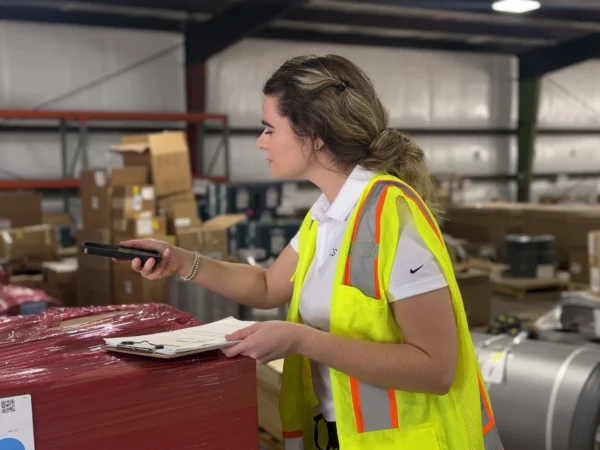
Lifecycle Services
Stop reactive repairs. Lifecycle Services provides expert preventive maintenance and 24/7 technical support to protect your automation and MHE availability.

Life Science & Healthcare
Pharmaceutical, healthcare, and life science companies face mounting pressure from evolving regulatory requirements, rising fulfillment costs, and intensifying accuracy demands. In this environment, automation isn’t optional—it’s essential. Designed Conveyor Systems (DCS) helps distributors of these critical products stay compliant and competitive.

Pet Food
Pet food distribution operations are anything but standard. From bulky kibble bags to delicate fish tanks, stock keeping unit (SKU) complexity and fulfillment pressure are always on the rise. Designed Conveyor Systems (DCS) partners with leading pet retailers to design and engineer automation, software, and material handling systems that keep operations agile, accurate, and ready for what’s next.

Home Improvement
When your distribution center handles everything from hammers to hot tubs, operational complexity isn’t a challenge—it’s your daily reality. Home improvement retailers face intense pressure to meet rising consumer expectations across multiple channels—from in-store pickups to last-mile delivery. At Designed Conveyor Systems (DCS), we specialize in engineering material handling and automation solutions that help home improvement distribution centers keep pace, reduce cost, and drive accuracy at scale.

Sporting Goods
Navigating the unique demands of the sporting goods retail industry requires a distribution strategy that’s both agile and precise. From handling seasonal surges to managing a diverse range of products—from bulky equipment to small accessories—your warehouse operations are the key to a seamless customer experience. Our expertise helps sporting goods retailers streamline their distribution warehouses, improving order accuracy, boosting productivity, and ensuring your team can efficiently move products from the receiving dock to the final customer, no matter the season.
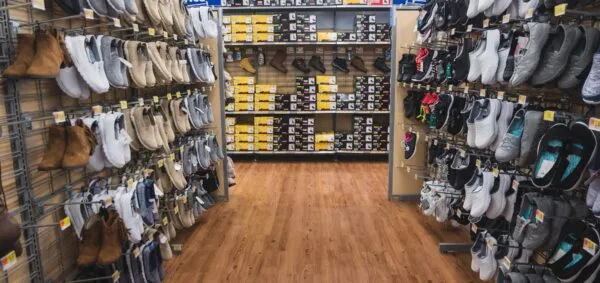
Footwear
In the fast-paced world of footwear retail requires a distribution strategy that can handle a vast array of styles, sizes, and seasonal trends with precision and speed. From managing a high volume of SKUs to ensuring accurate order fulfillment and returns processing, your distribution center is the engine that drives customer satisfaction and brand loyalty. Our expertise helps footwear retailers streamline their distribution centers, improving inventory management, accelerating order processing, and ensuring your team can efficiently move products from the receiving dock to the final customer, no matter the season.

Wholesale & Industrial Distribution
Designed Conveyor Systems (DCS) partners with wholesale, industrial, and electronics distributors to design efficient, optimized fulfillment solutions. Every operation DCS designs streamlines end-to-end functional processes—from inbound receiving and putaway to picking, packing, and shipping. Designed Conveyor Systems (DCS) partners with wholesale, industrial, and electronics distributors to design efficient, optimized fulfillment solutions. Every operation DCS designs streamlines end-to-end functional processes—from inbound receiving and putaway to picking, packing, and shipping.


About Us
Designed Conveyor Systems (DCS) has 40 years of experience serving major clients in multiple industries by providing material handling, full-scale warehouse operations, and conveyor design solutions that are custom crafted for their needs. DCS does not sell ready-made conveyor systems but builds relationships that empower collaboration to craft custom warehouse designs together. DCS utilizes consulting, engineering design, project management, installation services, and client support to ensure our customers can keep their promises to deliver on time.
Projects
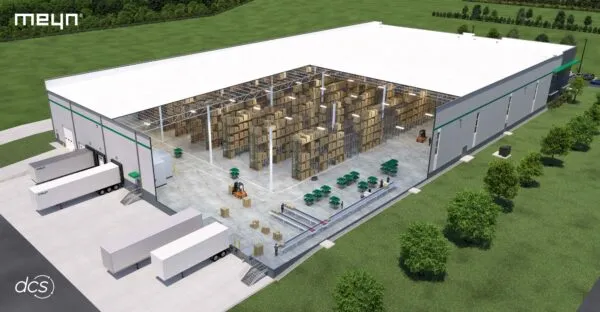
With more than 40 years of experience providing automated system design, installation, and integration services, DCS has created solutions for companies throughout the United States in a broad range of industries and markets. We’ve completed more than 1500 projects ranging from greenfield facilities with completely new systems to expansions and retrofits of existing operations.
Upcoming Events
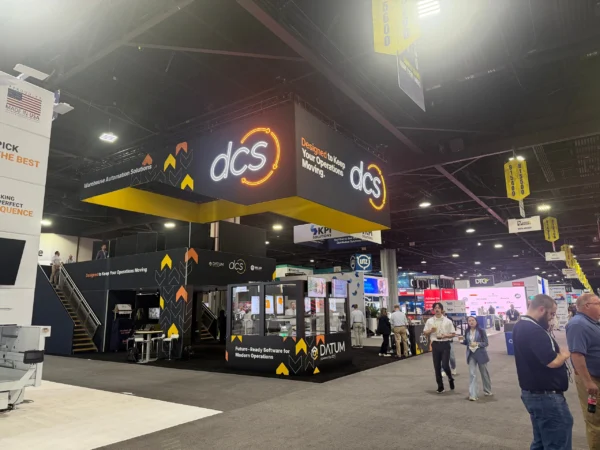
Designed Conveyor Systems values building strong relationships with our clients. Join us at our upcoming events to collaborate and discover how we can design a custom warehouse solution tailored to your unique needs.
The DCS Difference: How Our Training Team Goes Above and Beyond for Every Customer
The DCS Difference: How Our Training Team Goes Above and Beyond for Every Customer

In previous blogs, my colleagues have shared stories of DCS’ customer service team stepping up when the unexpected happens. Those stories frequently center on minimizing disruptions during projects or providing emergency support during a critical event.
But going above and beyond doesn’t only happen in a crisis. Just as often, it happens quietly, in the weeks leading up to a system’s go-live. That’s when our training specialists work to make sure a customer’s team is ready to run their new warehouse automation system with confidence.
Training is one of the most important services DCS provides. It’s also one of the easiest to take for granted, until something disrupts it. Here are two recent examples of what our customer service and training team does when plans change and the stakes are high.
When the Calendar Turns Upside Down
Early in one project, the customer’s project manager informed our team that DCS warehouse management system training would not be necessary for this system. Based on that direction, we allocated our resources accordingly. No training presentation was developed, and no time was reserved on our training calendar.
Several months later, just prior to the system’s go-live date, that same project manager reached out again, this time with an urgent request. The client had reconsidered and decided their team did need DCS training after all. By then, our training schedule was fully committed for the next six months. Traveling to the site on such short notice appeared impossible.
Rather than tell the customer no, however, our training specialist reorganized her own workload to build a full training presentation from scratch, on short notice, around a schedule that was already full. Then — to eliminate the need for last-minute travel altogether — she coordinated and delivered a remote training session for the local maintenance team. Additionally, the DCS trainer worked outside normal business hours to match the customer’s go-live timeline.
The result? A customer who had reversed course months into a project still walked into go-live with a properly trained maintenance team, exactly when they needed it.
When a Communication Gap Threatens a Week of Training
A similar situation unfolded on another project. This time, DCS was ready to deliver a series of warehouse automation system training sessions to a major client’s engineering team.
The goal was to give that team the knowledge, confidence, and hands-on understanding needed to independently operate, troubleshoot, and support their new automation system. This wasn’t about simply handing them a manual and walking away. It was about helping them own their long-term success.
The trip began exactly as planned. Our trainer arrived onsite for a scheduled walkthrough and preparation day. There, he reviewed the warehouse automation system, confirmed the training objectives, inspected the training facilities, and tested all media and presentation equipment. Everything was on track. Then, during a final coordination meeting with the local leadership team, we discovered a problem.
Although the customer’s project manager had confirmed the training dates with the DCS training team, that information had never made it to the supervisor responsible for scheduling participants. The engineering personnel slated to attend our sessions had already been committed to other training activities that same week. There was no one to train.
Adjusting the Schedule
Instead of letting that derail the visit, our material handling customer service team worked collaboratively with the client and internal DCS stakeholders to determine the best path forward. All of the preparation work, the system walkthrough, the facility checks, the equipment testing, had been completed successfully. What remained was simply a scheduling conflict outside of our control, and we treated it as something to solve together with our client.
Two weeks later, our trainer returned to the site. This time, there was universal stakeholder alignment, with every participant available. Our trainer delivered the sessions as intended. That allowed the client’s engineering team to gain a comprehensive understanding of how to operate, troubleshoot, and support their warehouse automation system moving forward.
Two Stories, One High Customer Service Standard
While these two situations look different on the surface, they share a common theme. In both cases, something outside our control threatened a customer’s ability to get necessary training. In both cases, our team adapted, reorganized, and found a way to deliver anyway. That meant working after hours, building a presentation from scratch, or making a previously unplanned return trip.
It might appear that these are simply examples of two individuals who happened to go the extra mile. In reality, however, going the extra mile is a mindset built into how our entire customer service and training team operates.
At DCS, we believe training is not complete until the customer’s team can confidently run their system on their own. When circumstances change — whether it’s a customer reversing an earlier decision or a scheduling gap on their end — our job is to find a way to still deliver on that promise. We equip, empower, and expect every member of our team to do exactly that.
This is a natural extension of the customer-first culture I described in an earlier post about how DCS delivers high quality customer service. Comprehensive training isn’t an afterthought at DCS. Instead, it’s one of the ways we ensure a system’s success extends well beyond commissioning and go-live.
Whatever it takes to get a customer’s team ready, that’s what we do. That’s the DCS Difference.
Want to see what a true training partnership looks like? Connect with our Customer Service Team to learn how DCS prepares your team for long-term success with your warehouse automation system.
Author: Stephen Burk, Customer Service Trainer, DCS