
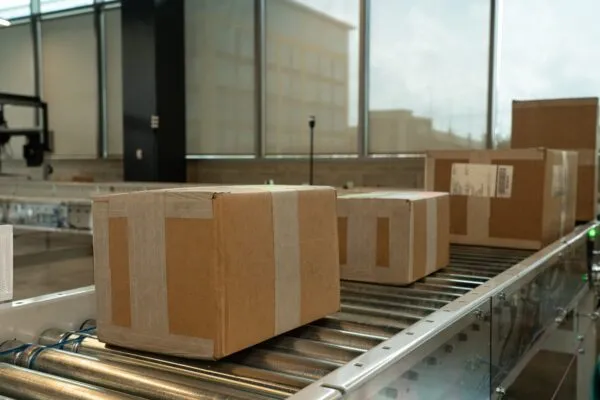
Package Handling
DCS’s design and engineering team has more than 40 years of experience creating unique parcel handling systems for diverse customer applications. With installations including semi-automated handling in small city distribution centers and fully automated, integrated hubs with advanced conveyor and sorter equipment, DCS routinely thinks outside the box.
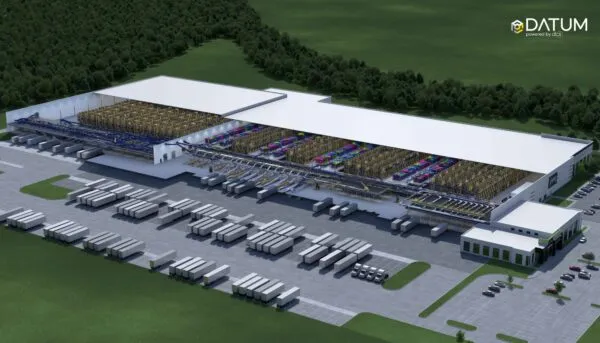
E-Commerce and Multi-Channel Fulfillment
DCS designs and implements end-to-end warehouse automation solutions for e-commerce and multi-channel retailers that address numerous workflow challenges. This includes solutions for receiving, putaway, storage, replenishment, order fulfillment, picking, packing, sortation, and outbound shipping. Our custom integrated warehouse, distribution, and fulfillment systems draw from a deep pool of conventional, semi-automated, and automated material handling technologies.
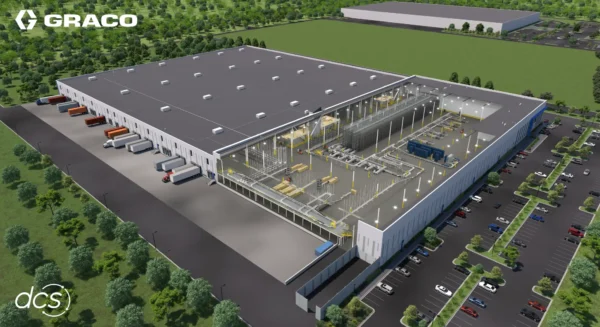
Various Distribution Applications
Whether an operation is considering the construction of a new distribution or fulfillment center, or a retrofit or expansion of an existing facility, it’s important to create a solution that fits the overarching supply chain strategy. DCS has four decades of experience designing and integrating comprehensive, end-to-end material handling solutions that meet a multitude of operational goals. Whether conventional, semi-automated, or fully automated, DCS can help your organization implement a custom solution that meets its goals while maximizing return on investment (ROI).

Supply Chain Consulting
The DCS Supply Chain Consulting team offers a range of services to help your operations address the challenges it faces. Working in partnership with you, DCS consultants analyze your business data- existing workforce, workflow processes, inventory, order data, operations, and more- to determine a strategy that addresses your unique needs. Whether you need an operations assessment, process improvement recommendations, or distribution design services, DCS consultants will help guide you to the material handling system or operational solution that best meets your current and future needs, as well as your budget.

Customer Support
Keeping your warehouse operations and material handling systems running smoothly and at the peak of productivity are the goals of DCS’ Customer Service Team. By partnering with DCS, your warehouse automation solution is supported from commissioning to end of life. You’ll receive comprehensive in-house training of your personnel, including specialized training of your designated internal system expert. Plus, DCS offers a complete package of spare parts and expert system troubleshooting support from qualified engineers dedicated to your installation.

System Design & Integration
DCS offers a broad range of material handling equipment and automated system design, installation, and integration services for a multitude of projects. These include retrofits, expansions, upgrades, and more. While every project is unique, our system design and execution processes are the same, encompassing meticulous attention to detail, frequent communication, and a dedicated partnership with our clients.
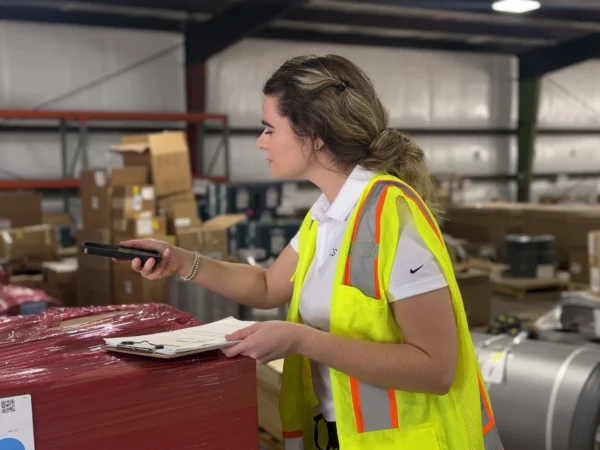
Lifecycle Services
Stop reactive repairs. Lifecycle Services provides expert preventive maintenance and 24/7 technical support to protect your automation and MHE availability.

Life Science & Healthcare
Pharmaceutical, healthcare, and life science companies face mounting pressure from evolving regulatory requirements, rising fulfillment costs, and intensifying accuracy demands. In this environment, automation isn’t optional—it’s essential. Designed Conveyor Systems (DCS) helps distributors of these critical products stay compliant and competitive.

Pet Food
Pet food distribution operations are anything but standard. From bulky kibble bags to delicate fish tanks, stock keeping unit (SKU) complexity and fulfillment pressure are always on the rise. Designed Conveyor Systems (DCS) partners with leading pet retailers to design and engineer automation, software, and material handling systems that keep operations agile, accurate, and ready for what’s next.

Home Improvement
When your distribution center handles everything from hammers to hot tubs, operational complexity isn’t a challenge—it’s your daily reality. Home improvement retailers face intense pressure to meet rising consumer expectations across multiple channels—from in-store pickups to last-mile delivery. At Designed Conveyor Systems (DCS), we specialize in engineering material handling and automation solutions that help home improvement distribution centers keep pace, reduce cost, and drive accuracy at scale.

Sporting Goods
Navigating the unique demands of the sporting goods retail industry requires a distribution strategy that’s both agile and precise. From handling seasonal surges to managing a diverse range of products—from bulky equipment to small accessories—your warehouse operations are the key to a seamless customer experience. Our expertise helps sporting goods retailers streamline their distribution warehouses, improving order accuracy, boosting productivity, and ensuring your team can efficiently move products from the receiving dock to the final customer, no matter the season.
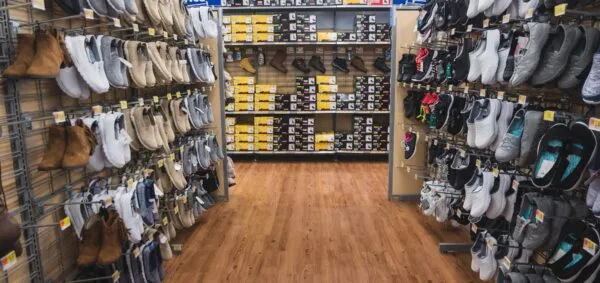
Footwear
In the fast-paced world of footwear retail requires a distribution strategy that can handle a vast array of styles, sizes, and seasonal trends with precision and speed. From managing a high volume of SKUs to ensuring accurate order fulfillment and returns processing, your distribution center is the engine that drives customer satisfaction and brand loyalty. Our expertise helps footwear retailers streamline their distribution centers, improving inventory management, accelerating order processing, and ensuring your team can efficiently move products from the receiving dock to the final customer, no matter the season.

Wholesale & Industrial Distribution
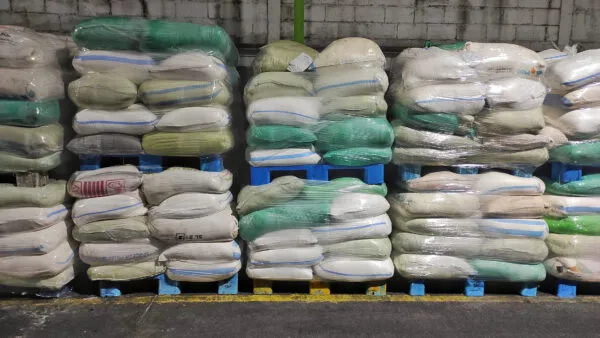
Designed Conveyor Systems (DCS) partners with wholesale, industrial, and electronics distributors to design efficient, optimized fulfillment solutions. Every operation DCS designs streamlines end-to-end functional processes—from inbound receiving and putaway to picking, packing, and shipping. Designed Conveyor Systems (DCS) partners with wholesale, industrial, and electronics distributors to design efficient, optimized fulfillment solutions. Every operation DCS designs streamlines end-to-end functional processes—from inbound receiving and putaway to picking, packing, and shipping.



About Us
Designed Conveyor Systems (DCS) has 40 years of experience serving major clients in multiple industries by providing material handling, full-scale warehouse operations, and conveyor design solutions that are custom crafted for their needs. DCS does not sell ready-made conveyor systems but builds relationships that empower collaboration to craft custom warehouse designs together. DCS utilizes consulting, engineering design, project management, installation services, and client support to ensure our customers can keep their promises to deliver on time.
Projects
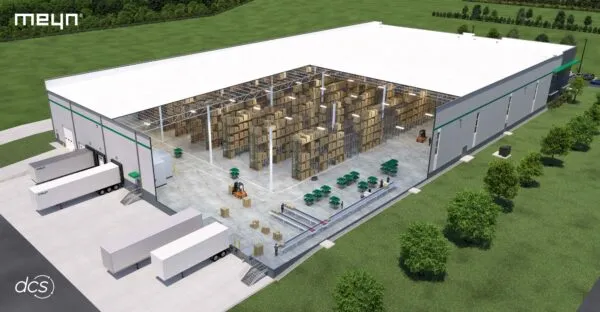
With more than 40 years of experience providing automated system design, installation, and integration services, DCS has created solutions for companies throughout the United States in a broad range of industries and markets. We’ve completed more than 1500 projects ranging from greenfield facilities with completely new systems to expansions and retrofits of existing operations.
Upcoming Events
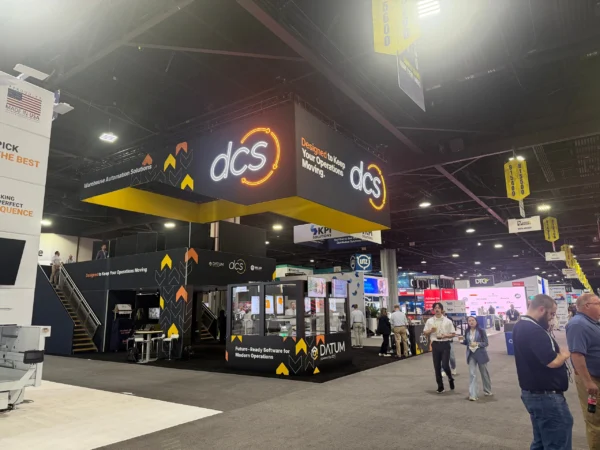
Designed Conveyor Systems values building strong relationships with our clients. Join us at our upcoming events to collaborate and discover how we can design a custom warehouse solution tailored to your unique needs.
The DCS Difference: Exceptional Material Handling Customer Service and Emergency Support
The DCS Difference: Exceptional Material Handling Customer Service and Emergency Support

Any systems integrator can promise great material handling customer service. Few can show you what it actually looks like at 4:00am, three days into a call.
What is the Designed Conveyor Systems (DCS) Difference?
- 24/7/365 Critical Support: The DCS material handling customer service team provides immediate remote and hands-on emergency support to all events — regardless of severity level — and does not stop until the issue is resolved.
- Root-Cause Resolution: Beyond immediate fixes, DCS conducts full electrical, programmable logic controller (PLC), and mechanical diagnostics to prevent recurring outages.
- Value-Added Engineering: DCS provides proactive system cleanup, panel organization, human-machine interface (HMI) and control system repairs, and support for on-site personnel during every emergency visit.
At DCS, every customer relationship comes with a promise: when something goes wrong, DCS will be there. It’s easy to make that type of material handling customer service promise during a sales conversation. It’s much harder to keep it when a critical system goes down on a Friday night and doesn’t fully stabilize until the following Wednesday.
But that’s exactly the kind of commitment the DCS customer service team makes on every project, and it’s exactly what happened during one recent support call.
Here’s how it unfolded.
Friday Night: The First Call
At 9:30pm on a Friday, most people are winding down for the weekend. Our customer was facing a critical severity (SEV 1) event instead. The DCS customer service team stepped in immediately, providing remote support for 2.5 hours — until midnight. The priority was clear: stabilize the system and minimize disruption.
Saturday Night: It Happens Again
The very next night, at 7:30pm, the customer experienced another SEV event. This time the troubleshooting stretched into the early morning hours. For 8.5 hours, until 4:00am, our material handling support team stayed fully engaged, working the problem remotely. When the customer asked for additional remote support assistance, we didn’t hesitate.
Sunday: Boots on the Ground
By Sunday morning, it was clear remote support alone wouldn’t solve this one. We quickly mobilized and arrived onsite at 8:00am. After reviewing the two prior failures — both of which had occurred in the evening — the customer asked if we could stay onsite through the timeframe when the issues kept happening. We adjusted our schedule to accommodate their request, ensuring continuous support and commitment to a resolution.
From 4:30pm until 11:30pm, our team monitored the system during that high-risk window. The system ran normally that evening, but rather than treat that as a win and pack up, we used the time proactively. We inspected every device fed from the tripped breaker, physically pressed buttons, tested every E-stop input, and verified field components by hand. No shortcuts. No assumptions. Just thorough, hands-on investigation.
We left at 11:30pm with plans to return the next afternoon.

Monday: Finding the Root Cause
At noon on Monday, the call came in: the breaker had tripped again. We were back onsite within minutes and began troubleshooting immediately. This time, we found it — a wire shorted to ground.
We powered the control panel back up and carefully traced the wire’s conduit path while the system ran, which led us to the runout lane. There, a full visual inspection of the conduit and every pushbutton station along the way turned up the culprit: a damaged section of conduit.
From there, the fix was entirely hands-on. The DCS material handling support team unwired connections in the junction box, corrected the conduit fitting, pulled new wire, removed the damaged section, labeled everything properly, and landed the wires back on their terminals. Once reconnected, the system returned to full operation.
We didn’t stop there. While the system ran, we cleaned and organized the control panel, routed wires properly back into the wireway, and replaced all covers. The job wasn’t just about fixing the issue. It was about restoring confidence.
Tuesday and Wednesday: Going Further
At the customer’s request, we stayed two additional days to monitor the system and ensure long-term stability.
On Tuesday, we walked the site alongside the local technician, conducting a detailed inspection and flagging any areas that needed attention. While the system remained operational, we proactively tightened conduit fittings, secured flexible conduit, repaired a section that had pulled from a coupling, and drilled new anchor points to reinforce connections.
Wednesday brought even more collaborative, value-added support. Working side-by-side with the local technician, the DCS team:
- Diagnosed and resolved a duplicated human-machine interface (HMI) that had stopped running due to a corrupted file, ultimately replacing the HMI, configuring the IP address, and restoring full functionality.
- Identified and repaired a fuse fault on the CP-02 output card — a panel-mounted module used to simulate and switch analog signals — by sourcing a replacement card and fuse.
- Guided the technician through resolving a recurring fault in the operation’s telescopic conveyor by adjusting acceleration timing to prevent future startup issues.
- Provided hands-on programmable logic controller (PLC) troubleshooting coaching so the local team could identify and resolve issues faster moving forward.
After 7.5 hours of travel home, the job was complete — not just because the system was running, but because the customer had stability, knowledge, and confidence restored.
This Is What Material Handling Customer Service Means at DCS
From late-night remote support to extended onsite monitoring, proactive repairs, system improvements, and hands-on team training, the DCS Customer Service Team didn’t just respond to a problem. We stayed beside our customer, night after night, until everything was right.
That’s not a one-time heroic effort. It’s how DCS approaches every customer relationship, whether it’s routine system support or an all-hands, multi-day critical event. Our commitment doesn’t end at commissioning and go-live. It’s backed by a team of engineers and technicians who know your system, answer the call at 9:30pm on a Friday, and don’t leave until the problem is actually solved, not just patched.
That is what going above and beyond looks like. That is the DCS Difference.
Experience the DCS Difference for Yourself
Connect with our customer service team to learn how we support your material handling system from commissioning to end of life.
Author: Jason Stewart, Customer Service Engineer, DCS