Package Handling
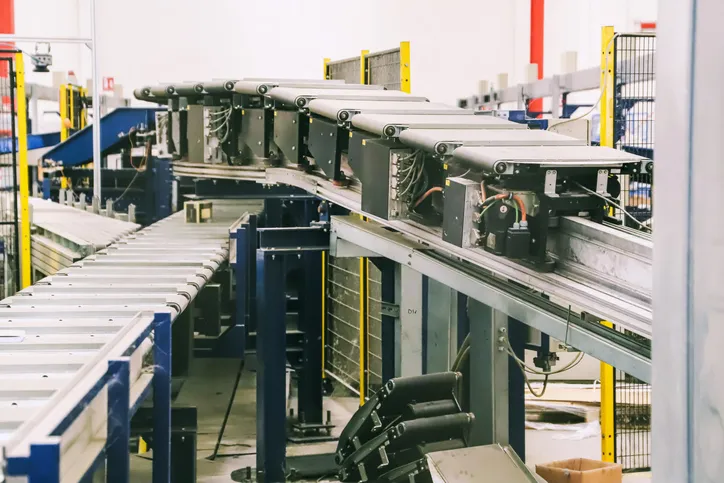
DCS’s design and engineering team has more than 40 years of experience creating unique parcel handling systems for diverse customer applications. With installations including semi-automated handling in small city distribution centers and fully automated, integrated hubs with advanced conveyor and sorter equipment, DCS routinely thinks outside the box.
E-Commerce and Multi-Channel Fulfillment
DCS designs and implements end-to-end warehouse automation solutions for e-commerce and multi-channel retailers that address numerous workflow challenges. This includes solutions for receiving, putaway, storage, replenishment, order fulfillment, picking, packing, sortation, and outbound shipping. Our custom integrated warehouse, distribution, and fulfillment systems draw from a deep pool of conventional, semi-automated, and automated material handling technologies.
Various Distribution Applications
Whether an operation is considering the construction of a new distribution or fulfillment center, or a retrofit or expansion of an existing facility, it’s important to create a solution that fits the overarching supply chain strategy. DCS has four decades of experience designing and integrating comprehensive, end-to-end material handling solutions that meet a multitude of operational goals. Whether conventional, semi-automated, or fully automated, DCS can help your organization implement a custom solution that meets its goals while maximizing return on investment (ROI).
Supply Chain Consulting
The DCS Supply Chain Consulting team offers a range of services to help your operations address the challenges it faces. Working in partnership with you, DCS consultants analyze your business data- existing workforce, workflow processes, inventory, order data, operations, and more- to determine a strategy that addresses your unique needs. Whether you need an operations assessment, process improvement recommendations, or distribution design services, DCS consultants will help guide you to the material handling system or operational solution that best meets your current and future needs, as well as your budget.

Distribution Center Design Consulting
DCS provides distribution center design and warehouse design consulting for new facilities, expansions, and existing warehouse retrofits. Using operational data, the DCS consulting team develops facility layouts, processes, material handling strategies, and automation concepts based on the unique requirements of each operation.
Warehouse Automation Consulting
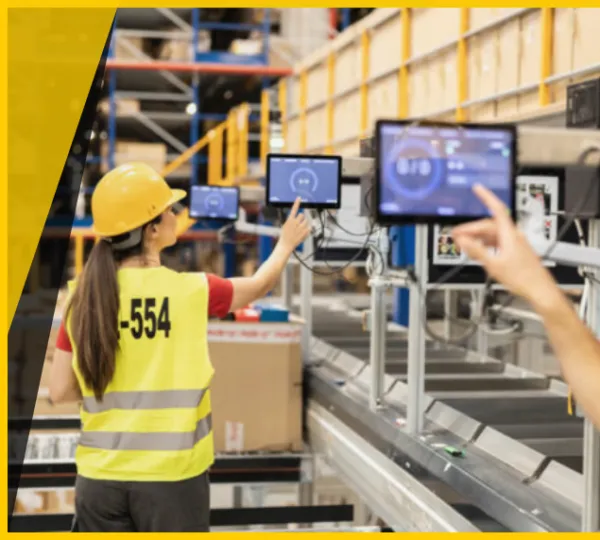
DCS provides warehouse automation consulting to help distribution and fulfillment operations determine where automation makes sense, what level of automation is appropriate, and how potential solutions align with operational and financial goals.

Operations Assessment & Optimization Consulting
DCS provides warehouse and distribution center operations with assessment and optimization consulting to help identify inefficiencies, improve productivity, and develop a clear path toward better performance.

Supply Chain Strategy & Optimization Consulting
DCS provides supply chain strategy and optimization consulting to help organizations define how their distribution operations should evolve to support broader business goals.
Warehouse Technology & Software Consulting
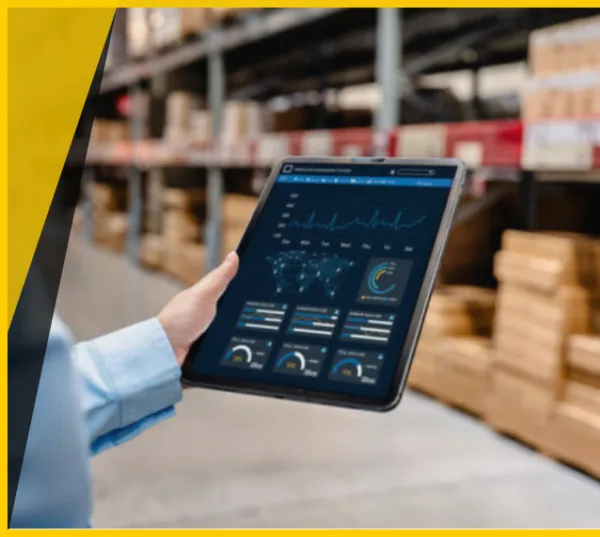
DCS provides warehouse technology and software consulting to help organizations assess existing systems, define requirements, and develop a technology strategy aligned with their operational needs and future goals.

Supply Chain Network Design & Optimization Consulting
DCS provides supply chain network design and optimization consulting to help organizations determine how facilities, inventory, transportation, and fulfillment should work together across their distribution network.

Customer Support
Keeping your warehouse operations and material handling systems running smoothly and at the peak of productivity are the goals of DCS’ Customer Service Team. By partnering with DCS, your warehouse automation solution is supported from commissioning to end of life. You’ll receive comprehensive in-house training of your personnel, including specialized training of your designated internal system expert. Plus, DCS offers a complete package of spare parts and expert system troubleshooting support from qualified engineers dedicated to your installation.
System Design & Integration
DCS offers a broad range of material handling equipment and automated system design, installation, and integration services for a multitude of projects. These include retrofits, expansions, upgrades, and more. While every project is unique, our system design and execution processes are the same, encompassing meticulous attention to detail, frequent communication, and a dedicated partnership with our clients.

Lifecycle Services
Stop reactive repairs. Lifecycle Services provides expert preventive maintenance and 24/7 technical support to protect your automation and MHE availability.

DATUM™
Backed by more than four decades of DCS system integration experience, DATUM™ is an established warehouse execution system built for the demands of complex distribution environments. Proven in real-world operations, DATUM™ integrates and orchestrates warehouse automation, people, and processes into one unified platform. Independent of OEM software, it provides the scalability, availability, flexibility, and reliability needed to optimize operations today and support future growth.

ASURE
ASURE (Availability, Support, Uptime, Reliability, and Expertise) is Designed Conveyor Systems’ lifecycle services program built to sustain performance long-term. DCS combines preventive maintenance, technical support, workforce training, spare parts, and proactive monitoring with data analysis into flexible service models designed to reduce operational risk.
Retail Distribution
Designed Conveyor Systems (DCS) engineers retail distribution center automation, warehouse execution software and material handling systems that keep stores stocked and orders moving through every channel and season.

Pet Care
Pet food distribution operations are anything but standard. From bulky kibble bags to delicate fish tanks, stock keeping unit (SKU) complexity and fulfillment pressure are always on the rise. Designed Conveyor Systems (DCS) partners with leading pet retailers to design and engineer automation, software, and material handling systems that keep operations agile, accurate, and ready for what’s next.
Home Improvement
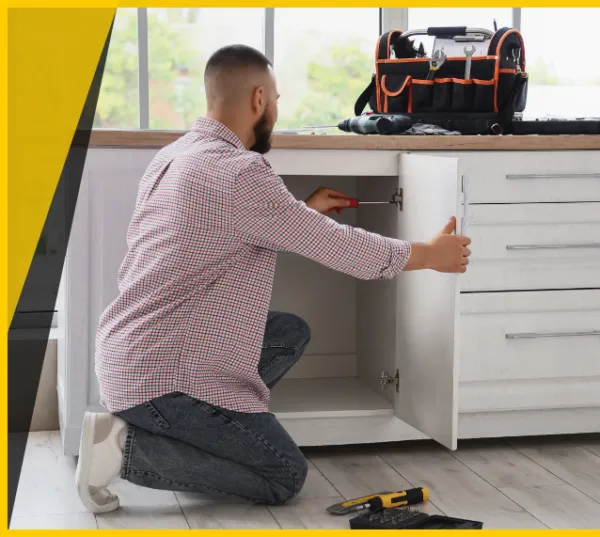
When your distribution center handles everything from hammers to hot tubs, operational complexity isn’t a challenge—it’s your daily reality. Home improvement retailers face intense pressure to meet rising consumer expectations across multiple channels—from in-store pickups to last-mile delivery. At Designed Conveyor Systems (DCS), we specialize in engineering material handling and automation solutions that help home improvement distribution centers keep pace, reduce cost, and drive accuracy at scale.

Sporting Goods
Navigating the unique demands of the sporting goods retail industry requires a distribution strategy that’s both agile and precise. From handling seasonal surges to managing a diverse range of products—from bulky equipment to small accessories—your warehouse operations are the key to a seamless customer experience. Our expertise helps sporting goods retailers streamline their distribution warehouses, improving order accuracy, boosting productivity, and ensuring your team can efficiently move products from the receiving dock to the final customer, no matter the season.

Footwear
In the fast-paced world of footwear retail requires a distribution strategy that can handle a vast array of styles, sizes, and seasonal trends with precision and speed. From managing a high volume of SKUs to ensuring accurate order fulfillment and returns processing, your distribution center is the engine that drives customer satisfaction and brand loyalty. Our expertise helps footwear retailers streamline their distribution centers, improving inventory management, accelerating order processing, and ensuring your team can efficiently move products from the receiving dock to the final customer, no matter the season.

Life Science & Healthcare
Pharmaceutical, healthcare, and life science companies face mounting pressure from evolving regulatory requirements, rising fulfillment costs, and intensifying accuracy demands. In this environment, automation isn’t optional—it’s essential. Designed Conveyor Systems (DCS) helps distributors of these critical products stay compliant and competitive.
Wholesale & Industrial Distribution
Designed Conveyor Systems (DCS) partners with wholesale, industrial, and electronics distributors to design efficient, optimized fulfillment solutions. Every operation DCS designs streamlines end-to-end functional processes—from inbound receiving and putaway to picking, packing, and shipping. Designed Conveyor Systems (DCS) partners with wholesale, industrial, and electronics distributors to design efficient, optimized fulfillment solutions. Every operation DCS designs streamlines end-to-end functional processes—from inbound receiving and putaway to picking, packing, and shipping.




About Us
Designed Conveyor Systems (DCS) has 40 years of experience serving major clients in multiple industries by providing material handling, full-scale warehouse operations, and conveyor design solutions that are custom crafted for their needs. DCS does not sell ready-made conveyor systems but builds relationships that empower collaboration to craft custom warehouse designs together. DCS utilizes consulting, engineering design, project management, installation services, and client support to ensure our customers can keep their promises to deliver on time.

Projects
With more than 40 years of experience providing automated system design, installation, and integration services, DCS has created solutions for companies throughout the United States in a broad range of industries and markets. We’ve completed more than 1500 projects ranging from greenfield facilities with completely new systems to expansions and retrofits of existing operations.

Upcoming Events
Designed Conveyor Systems values building strong relationships with our clients. Join us at our upcoming events to collaborate and discover how we can design a custom warehouse solution tailored to your unique needs.
The Warehouse Labor Market Isn’t Coming Back
The Warehouse Labor Market Isn’t Coming Back
By Billy Binder, VP of Sales, Designed Conveyor Systems
With peak season upon us, most distribution and operations leaders are heads-down executing the labor and operational plans put in place months ago. Hopefully for them, that means their full-time, part-time, and temp workforces are showing up and consistently hitting production targets. For many, the warehouse labor shortage shows up as call-outs, no-shows, or lack of qualified talent.
For years, I’ve sat across the table from retail distribution leaders with the same plan: hold on through peak, then balance staffing levels once the labor market loosens up.
The latest numbers say that day isn’t coming.
Warehousing and storage employment has stalled at about 1.84 million, unchanged from a year ago. That’s roughly 100,000 jobs below its 2022 peak. At the same time, job openings in the sector keep climbing. Retailers are trying to hire, and the workers aren’t coming back.
That isn’t a soft patch. It’s the new baseline. And for retailers, it changes how you should think about every distribution center (DC) in your network.
Fewer Workers, More Openings, Less Space
Three sets of data point the same way.
Headcount has stalled.
Seasonally adjusted warehousing and storage employment held at 1,839,200 in October 2026, according to the Bureau of Labor Statistics (BLS). That’s unchanged from October 2025 and about 100,000 below the March 2022 high, per the Bureau of Transportation Statistics (BTS).
Demand for workers is still rising.
Job openings in transportation, warehousing, and utilities rose to 360,000 in September, up from 305,000 a year earlier. Meanwhile, couriers and messengers added 17,400 jobs in October. The workers who used to staff your DC now have more places to go, including the parcel carriers delivering your orders.
Capacity is tightening.
The October Logistics Managers’ Index shows warehousing capacity contracting at 43.5, while warehousing prices climbed to 80.7. And in Q3 2026, net absorption reached 104.6 million square feet, its highest level since Q4 2022 and well ahead of 79.4 million square feet of new completions, according to CBRE.
Put simply, the people are harder to find, and so is the space.
Why the Warehouse Labor Shortage Isn’t a Cycle You Can Wait Out
Retail distribution has always run on large, flexible labor pools. Those pools are shrinking, and U.S. demographic projections say they’ll keep shrinking.
That’s the part I want retail leaders to hear. This isn’t a bad quarter or a hangover from last peak. The workforce that filled warehouse shifts for decades is aging out, and there isn’t a new one lining up behind it.
Every month you plan around “when hiring gets easier,” you pay for it. Turnover stays high. Seasonal hiring gets harder and more expensive. Overtime becomes the default, not the backup. And your service-level agreements (SLAs) carry more risk every peak season.
The retailers who come out ahead will be the ones who stop waiting and design around the labor they actually have.
Modernize Inside Your Four Walls
When both labor and space are tight, moving to a bigger building isn’t much of an escape. The better answer is getting more throughput out of the footprint you already own, with fewer hands. Here’s where we see retailers get the most out of that shift.
-
Absorb peak without a peak headcount. Goods-to-person automation, autonomous mobile robots (AMRs), and flexible sortation let a DC scale up for the holiday surge and back down after, without a hiring scramble.
-
Automate the most impactful processes first. That starts with an in-depth review of current-state processes, data analytics, and the technology solutions that fit. From there, start with repeatable processes that have minimal variability. Next, target processes with ergonomic and safety impacts, such as building heavy mixed-stock keeping unit (SKU) pallets with automated mixed-bag palletizing.
-
Engineer the right mix of people and technology. Selecting, designing, and engineering the right processes, staffing plans, and technologies is where the rubber meets the road. Automate the processes technology does well, such as goods-to-person picking. That enables operators to be more productive and focus on value-added work.
-
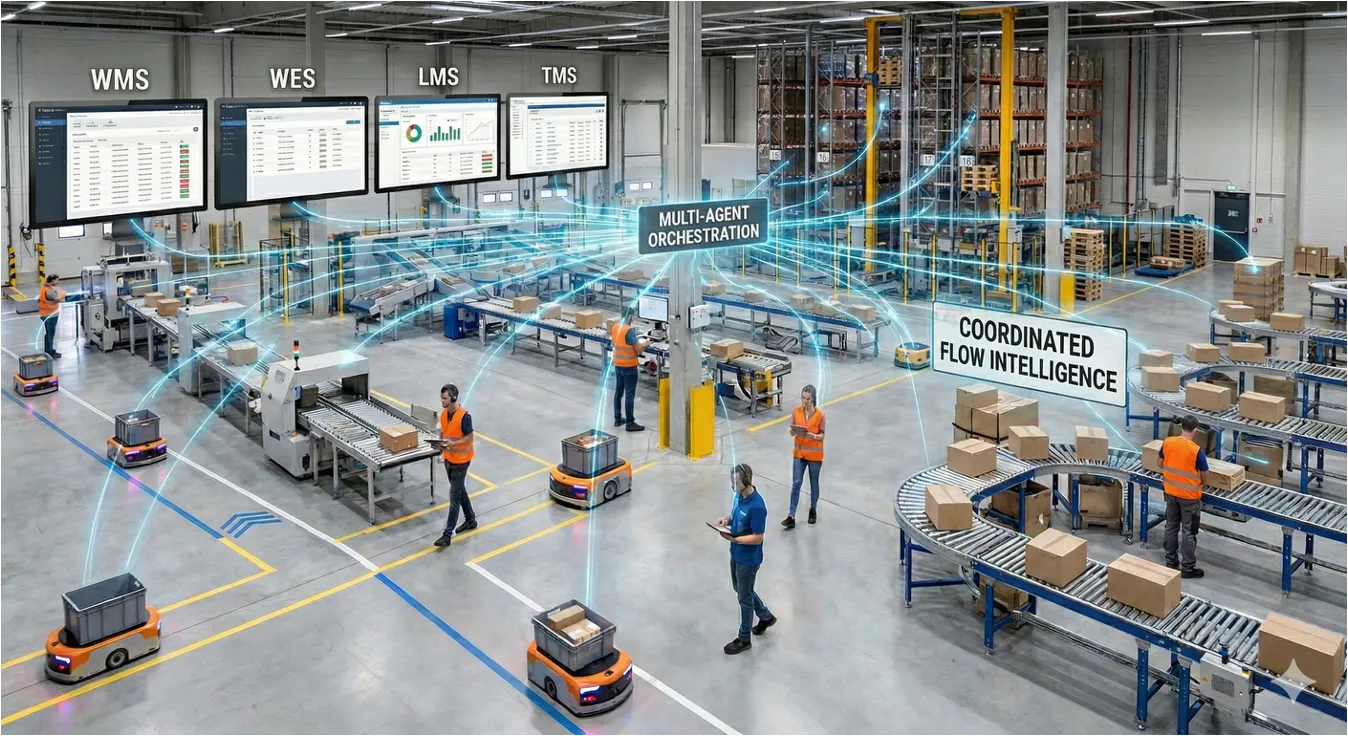
Fix the software bottleneck. Legacy original equipment manufacturer (OEM) controls often cap what your equipment can do. DATUM, DCS’ proprietary, open architecture warehouse execution system (WES), works with any warehouse management system (WMS) and unlocks your automation from a single vendor’s roadmap.
-
Plan the network around the assets you have. The DCS consulting team uses your data to decide where to consolidate, add, or reposition nodes, so capital goes where it does the most good towards your operational mission.
None of this means removing people from the building. It means the people you have spend their time on work that needs them, not on repetitive tasks that technology handles better.
Stop Waiting for the Labor Market
The latest data is one more signal in a long line of them. The warehouse labor shortage won’t be easing up, and the space to grow into is getting scarcer and pricier.
The good news is that you don’t need either one to hit your SLAs. You need a DC designed for the workforce you have today and the volume you’ll see next peak.
That’s the work DCS does throughout the retail sector, across discount and department stores, specialty and outlet retailers, warehouse clubs, convenience stores, and direct-to-consumer brands.
If you want to see what your current footprint could handle, let’s talk. To learn more about how DCS can help your retail operation, connect with us.