
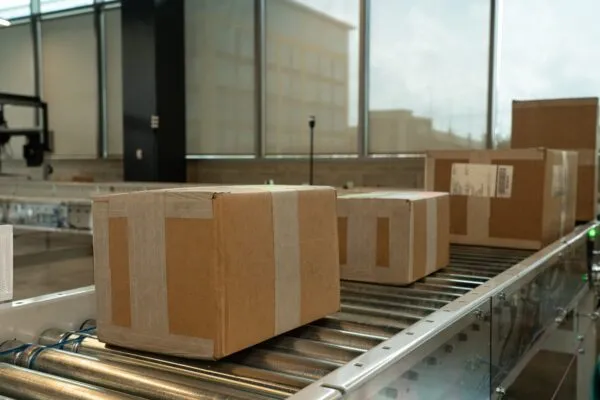
Package Handling
DCS’s design and engineering team has more than 40 years of experience creating unique parcel handling systems for diverse customer applications. With installations including semi-automated handling in small city distribution centers and fully automated, integrated hubs with advanced conveyor and sorter equipment, DCS routinely thinks outside the box.
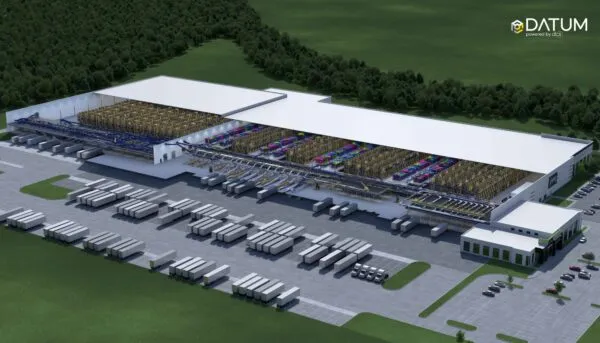
E-Commerce and Multi-Channel Fulfillment
DCS designs and implements end-to-end warehouse automation solutions for e-commerce and multi-channel retailers that address numerous workflow challenges. This includes solutions for receiving, putaway, storage, replenishment, order fulfillment, picking, packing, sortation, and outbound shipping. Our custom integrated warehouse, distribution, and fulfillment systems draw from a deep pool of conventional, semi-automated, and automated material handling technologies.
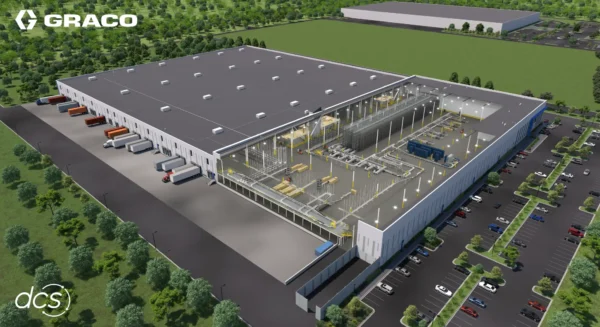
Various Distribution Applications
Whether an operation is considering the construction of a new distribution or fulfillment center, or a retrofit or expansion of an existing facility, it’s important to create a solution that fits the overarching supply chain strategy. DCS has four decades of experience designing and integrating comprehensive, end-to-end material handling solutions that meet a multitude of operational goals. Whether conventional, semi-automated, or fully automated, DCS can help your organization implement a custom solution that meets its goals while maximizing return on investment (ROI).

Supply Chain Consulting
The DCS Supply Chain Consulting team offers a range of services to help your operations address the challenges it faces. Working in partnership with you, DCS consultants analyze your business data- existing workforce, workflow processes, inventory, order data, operations, and more- to determine a strategy that addresses your unique needs. Whether you need an operations assessment, process improvement recommendations, or distribution design services, DCS consultants will help guide you to the material handling system or operational solution that best meets your current and future needs, as well as your budget.

Customer Support
Keeping your warehouse operations and material handling systems running smoothly and at the peak of productivity are the goals of DCS’ Customer Service Team. By partnering with DCS, your warehouse automation solution is supported from commissioning to end of life. You’ll receive comprehensive in-house training of your personnel, including specialized training of your designated internal system expert. Plus, DCS offers a complete package of spare parts and expert system troubleshooting support from qualified engineers dedicated to your installation.

System Design & Integration
DCS offers a broad range of material handling equipment and automated system design, installation, and integration services for a multitude of projects. These include retrofits, expansions, upgrades, and more. While every project is unique, our system design and execution processes are the same, encompassing meticulous attention to detail, frequent communication, and a dedicated partnership with our clients.
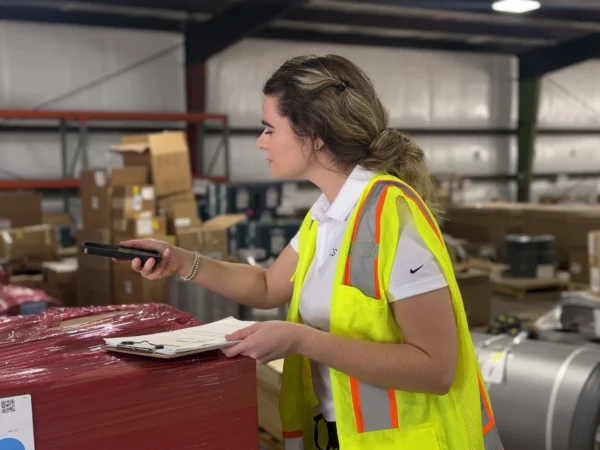
Lifecycle Services
Stop reactive repairs. Lifecycle Services provides expert preventive maintenance and 24/7 technical support to protect your automation and MHE availability.

Life Science & Healthcare
Pharmaceutical, healthcare, and life science companies face mounting pressure from evolving regulatory requirements, rising fulfillment costs, and intensifying accuracy demands. In this environment, automation isn’t optional—it’s essential. Designed Conveyor Systems (DCS) helps distributors of these critical products stay compliant and competitive.

Pet Food
Pet food distribution operations are anything but standard. From bulky kibble bags to delicate fish tanks, stock keeping unit (SKU) complexity and fulfillment pressure are always on the rise. Designed Conveyor Systems (DCS) partners with leading pet retailers to design and engineer automation, software, and material handling systems that keep operations agile, accurate, and ready for what’s next.

Home Improvement
When your distribution center handles everything from hammers to hot tubs, operational complexity isn’t a challenge—it’s your daily reality. Home improvement retailers face intense pressure to meet rising consumer expectations across multiple channels—from in-store pickups to last-mile delivery. At Designed Conveyor Systems (DCS), we specialize in engineering material handling and automation solutions that help home improvement distribution centers keep pace, reduce cost, and drive accuracy at scale.

Sporting Goods
Navigating the unique demands of the sporting goods retail industry requires a distribution strategy that’s both agile and precise. From handling seasonal surges to managing a diverse range of products—from bulky equipment to small accessories—your warehouse operations are the key to a seamless customer experience. Our expertise helps sporting goods retailers streamline their distribution warehouses, improving order accuracy, boosting productivity, and ensuring your team can efficiently move products from the receiving dock to the final customer, no matter the season.
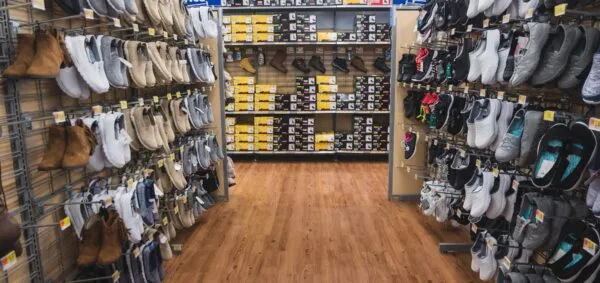
Footwear
In the fast-paced world of footwear retail requires a distribution strategy that can handle a vast array of styles, sizes, and seasonal trends with precision and speed. From managing a high volume of SKUs to ensuring accurate order fulfillment and returns processing, your distribution center is the engine that drives customer satisfaction and brand loyalty. Our expertise helps footwear retailers streamline their distribution centers, improving inventory management, accelerating order processing, and ensuring your team can efficiently move products from the receiving dock to the final customer, no matter the season.

Wholesale & Industrial Distribution
Designed Conveyor Systems (DCS) partners with wholesale, industrial, and electronics distributors to design efficient, optimized fulfillment solutions. Every operation DCS designs streamlines end-to-end functional processes—from inbound receiving and putaway to picking, packing, and shipping. Designed Conveyor Systems (DCS) partners with wholesale, industrial, and electronics distributors to design efficient, optimized fulfillment solutions. Every operation DCS designs streamlines end-to-end functional processes—from inbound receiving and putaway to picking, packing, and shipping.


About Us
Designed Conveyor Systems (DCS) has 40 years of experience serving major clients in multiple industries by providing material handling, full-scale warehouse operations, and conveyor design solutions that are custom crafted for their needs. DCS does not sell ready-made conveyor systems but builds relationships that empower collaboration to craft custom warehouse designs together. DCS utilizes consulting, engineering design, project management, installation services, and client support to ensure our customers can keep their promises to deliver on time.
Projects
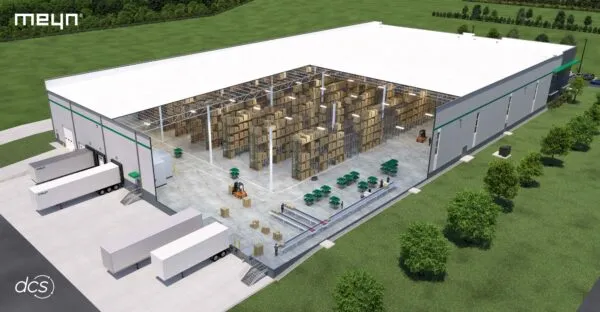
With more than 40 years of experience providing automated system design, installation, and integration services, DCS has created solutions for companies throughout the United States in a broad range of industries and markets. We’ve completed more than 1500 projects ranging from greenfield facilities with completely new systems to expansions and retrofits of existing operations.
Upcoming Events
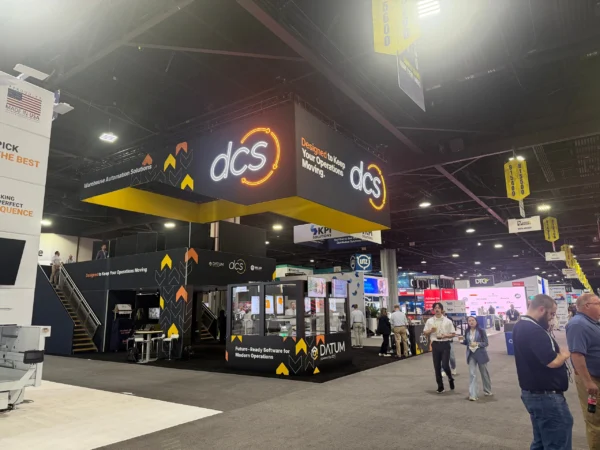
Designed Conveyor Systems values building strong relationships with our clients. Join us at our upcoming events to collaborate and discover how we can design a custom warehouse solution tailored to your unique needs.
How to Choose the Right Warehouse Automation Consulting Partner
How to Choose the Right Warehouse Automation Consulting Partner
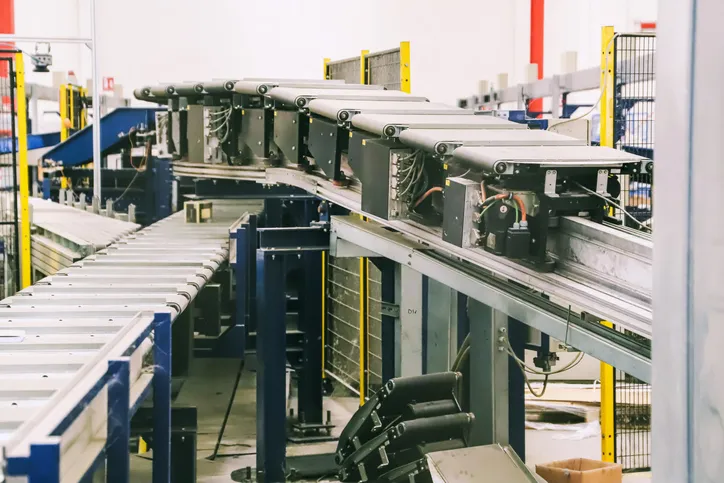
Warehouse automation has become a foundational strategy for improving throughput, accuracy, and resilience across supply chains. But while automation technologies keep advancing at a rapid pace, the success of an automation initiative usually hinges less on the equipment selected. Instead, it’s become essential to partner with an experienced warehouse automation consulting partner to guide the design, integration, and execution.
Implementing the right degree and mix of automation is complex, time-consuming, and capital-intensive. Choose the wrong approach — or the wrong partner — and an operation can end up locked into rigid systems that never deliver the expected returns. That’s why selecting the right warehouse automation consulting partner is one of the most consequential decisions a distribution or fulfillment operation will make.
Here’s what to look for.
Proven Design, Integration, and Operational Experience
A qualified warehouse automation consulting partner should bring decades of hands-on experience designing, engineering, and installing real systems — not just selling technology. Look for a track record across facility layout, equipment selection, controls integration, and full project execution, from initial concept through go-live and beyond.
Industry relevance matters just as much. A strong partner understands the operational realities of your specific market. They can point to completed projects — greenfield builds, retrofits, and expansions alike — that reflect similar SKU profiles, throughput demands, and performance goals. Experience like this translates directly into fewer surprises, better design decisions, and systems that work in practice, not just on paper.
Systems Integration Across the Supply Chain
Warehouse automation doesn’t operate in isolation. A critical differentiator among automation consulting partners is their ability to integrate the physical system — conveyor, sortation, robotics, controls — with the broader technology stack running the operation.
Effective automation strategies account for how the system will talk to enterprise resource planning (ERP), warehouse management systems (WMS), and transportation management systems (TMS). Without that alignment, even the most advanced automation investment can create data silos, downstream friction, and execution gaps that limit visibility and undercut the return on the project.
Market Insight and Technology Fluency
Automation technologies — particularly robotics, AI-driven controls, and next-generation warehouse execution system (WES) software — are evolving quickly. A strong partner stays ahead of these shifts. They also maintain a practical, engineering-grounded understanding of where each technology actually delivers value in a live operation.
That balance of market insight and technology fluency ensures recommendations are grounded in both current operational needs and future scalability. Rather than chasing every new trend, the right partner helps you invest in solutions built to support long-term business objectives.
Independent, Brand-Agnostic Design
True value comes from independence. An effective automation partner should be brand-agnostic. That means their focus is on specifying the best-of-breed equipment and software for your requirements, not steering you toward a proprietary product line or a single OEM relationship.
Independence allows a design-build integrator to draw from the full universe of conventional, semi-automated, and fully automated material handling technologies. It also supports the creation of a system that fits your constraints, performance targets, and growth plans — regardless of manufacturer. That approach reduces risk and keeps every technology decision driven by outcomes, not by what happens to be in a vendor’s portfolio.
Data Analytics as the Foundation
Automation decisions are only as good as the data behind them. A capable partner brings strong data analytics capabilities to the table. This includes evaluating inventory profiles, order characteristics, throughput requirements, and cost drivers before specifying a single piece of equipment.
By turning raw operational data into actionable insight, the right partner helps you understand where automation will deliver the greatest return, and which process improvements should happen first. That disciplined, data-driven approach minimizes costly missteps and maximizes the impact of every automation dollar spent.
Long-Term Partnerships Drive Continuous Improvement
Warehouse automation isn’t a “set it and forget it” investment. Systems require ongoing tuning and adaptation as volumes shift, product mixes evolve, and new technologies come to market.
The right partner sticks around after go-live — monitoring system performance, identifying improvement opportunities, and guiding future enhancements. Over time, that kind of partnership protects your investment. It also extends the life of the system, and keeps performance improving long after the ribbon-cutting.
A Strategic Partner for Confident Automation Decisions
Choosing a warehouse automation consulting partner ultimately comes down to trust, expertise, and alignment. You need a team that understands operations, respects your constraints, and brings objectivity to complex, capital-intensive decisions.
At Designed Conveyor Systems (DCS), we’ve spent nearly 45 years designing, engineering, and integrating custom material handling and automation systems for distribution and fulfillment operations across the country. Our team has completed more than 1,500 projects from greenfield facilities to retrofits and expansions. We don’t sell off-the-shelf systems or push a single manufacturer’s equipment. Instead, we build the optimal mix of technologies for your operation. Why? Because that’s the only way to guarantee the outcome is built around your business rather than our supplier list.
For clients who want strategic guidance before a system is ever specified, the DCS consulting team brings independent, data-driven operations and network consulting to the table. Further, you’re never obligated to bring that engagement to DCS for integration unless it makes sense for you. Whether your conversation starts with consulting or with system design, our teams work as one to deliver the highest level of expertise in the industry.
Ready to talk through your warehouse automation strategy? Connect with our team today to see how a brand-agnostic, design-build approach can help your automation investment deliver measurable, lasting value.