
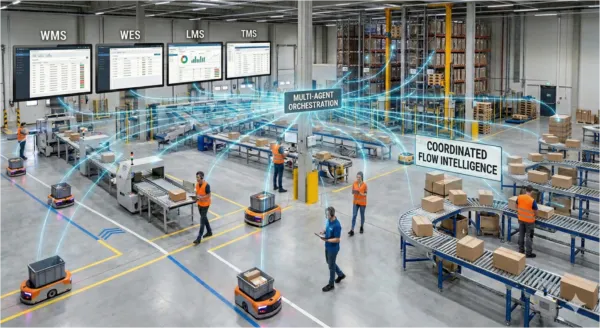


Designed Conveyor Systems (DCS) engineers retail distribution center automation, warehouse execution software and material handling systems that keep stores stocked and orders moving through every channel and season.
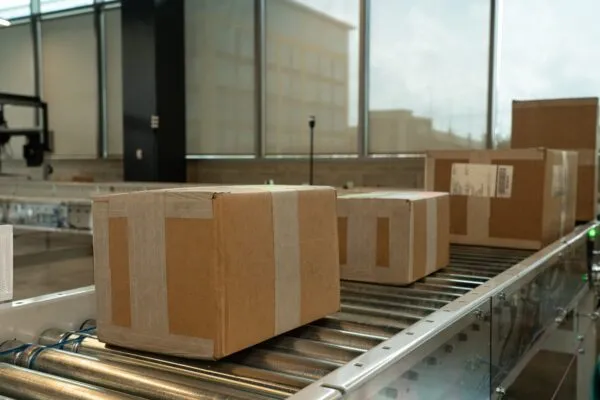
Package Handling
DCS’s design and engineering team has more than 40 years of experience creating unique parcel handling systems for diverse customer applications. With installations including semi-automated handling in small city distribution centers and fully automated, integrated hubs with advanced conveyor and sorter equipment, DCS routinely thinks outside the box.
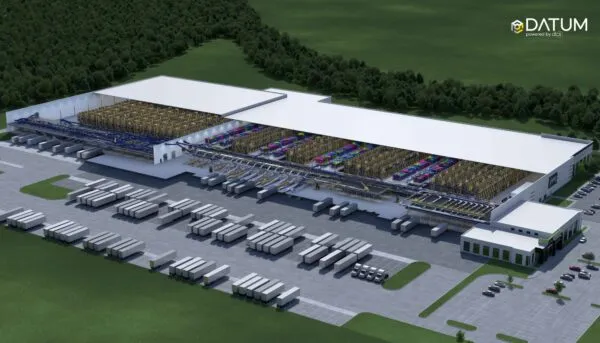
E-Commerce and Multi-Channel Fulfillment
DCS designs and implements end-to-end warehouse automation solutions for e-commerce and multi-channel retailers that address numerous workflow challenges. This includes solutions for receiving, putaway, storage, replenishment, order fulfillment, picking, packing, sortation, and outbound shipping. Our custom integrated warehouse, distribution, and fulfillment systems draw from a deep pool of conventional, semi-automated, and automated material handling technologies.
Various Distribution Applications
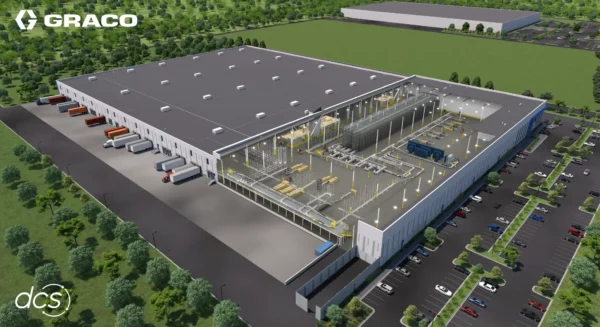
Whether an operation is considering the construction of a new distribution or fulfillment center, or a retrofit or expansion of an existing facility, it’s important to create a solution that fits the overarching supply chain strategy. DCS has four decades of experience designing and integrating comprehensive, end-to-end material handling solutions that meet a multitude of operational goals. Whether conventional, semi-automated, or fully automated, DCS can help your organization implement a custom solution that meets its goals while maximizing return on investment (ROI).

Supply Chain Consulting
The DCS Supply Chain Consulting team offers a range of services to help your operations address the challenges it faces. Working in partnership with you, DCS consultants analyze your business data- existing workforce, workflow processes, inventory, order data, operations, and more- to determine a strategy that addresses your unique needs. Whether you need an operations assessment, process improvement recommendations, or distribution design services, DCS consultants will help guide you to the material handling system or operational solution that best meets your current and future needs, as well as your budget.

Customer Support
Keeping your warehouse operations and material handling systems running smoothly and at the peak of productivity are the goals of DCS’ Customer Service Team. By partnering with DCS, your warehouse automation solution is supported from commissioning to end of life. You’ll receive comprehensive in-house training of your personnel, including specialized training of your designated internal system expert. Plus, DCS offers a complete package of spare parts and expert system troubleshooting support from qualified engineers dedicated to your installation.

System Design & Integration
DCS offers a broad range of material handling equipment and automated system design, installation, and integration services for a multitude of projects. These include retrofits, expansions, upgrades, and more. While every project is unique, our system design and execution processes are the same, encompassing meticulous attention to detail, frequent communication, and a dedicated partnership with our clients.
Lifecycle Services
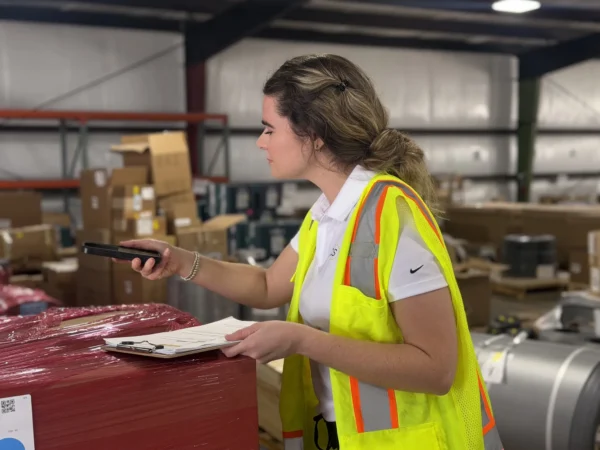
Stop reactive repairs. Lifecycle Services provides expert preventive maintenance and 24/7 technical support to protect your automation and MHE availability.

Retail Distribution
Designed Conveyor Systems (DCS) engineers retail distribution center automation, warehouse execution software and material handling systems that keep stores stocked and orders moving through every channel and season.

Pet Care
Pet food distribution operations are anything but standard. From bulky kibble bags to delicate fish tanks, stock keeping unit (SKU) complexity and fulfillment pressure are always on the rise. Designed Conveyor Systems (DCS) partners with leading pet retailers to design and engineer automation, software, and material handling systems that keep operations agile, accurate, and ready for what’s next.

Home Improvement
When your distribution center handles everything from hammers to hot tubs, operational complexity isn’t a challenge—it’s your daily reality. Home improvement retailers face intense pressure to meet rising consumer expectations across multiple channels—from in-store pickups to last-mile delivery. At Designed Conveyor Systems (DCS), we specialize in engineering material handling and automation solutions that help home improvement distribution centers keep pace, reduce cost, and drive accuracy at scale.

Sporting Goods
Navigating the unique demands of the sporting goods retail industry requires a distribution strategy that’s both agile and precise. From handling seasonal surges to managing a diverse range of products—from bulky equipment to small accessories—your warehouse operations are the key to a seamless customer experience. Our expertise helps sporting goods retailers streamline their distribution warehouses, improving order accuracy, boosting productivity, and ensuring your team can efficiently move products from the receiving dock to the final customer, no matter the season.
Footwear
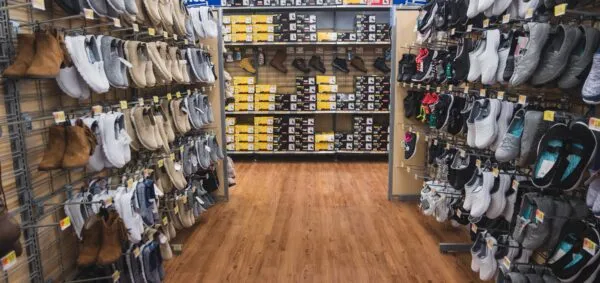
In the fast-paced world of footwear retail requires a distribution strategy that can handle a vast array of styles, sizes, and seasonal trends with precision and speed. From managing a high volume of SKUs to ensuring accurate order fulfillment and returns processing, your distribution center is the engine that drives customer satisfaction and brand loyalty. Our expertise helps footwear retailers streamline their distribution centers, improving inventory management, accelerating order processing, and ensuring your team can efficiently move products from the receiving dock to the final customer, no matter the season.

Life Science & Healthcare
Pharmaceutical, healthcare, and life science companies face mounting pressure from evolving regulatory requirements, rising fulfillment costs, and intensifying accuracy demands. In this environment, automation isn’t optional—it’s essential. Designed Conveyor Systems (DCS) helps distributors of these critical products stay compliant and competitive.

Wholesale & Industrial Distribution
Designed Conveyor Systems (DCS) partners with wholesale, industrial, and electronics distributors to design efficient, optimized fulfillment solutions. Every operation DCS designs streamlines end-to-end functional processes—from inbound receiving and putaway to picking, packing, and shipping. Designed Conveyor Systems (DCS) partners with wholesale, industrial, and electronics distributors to design efficient, optimized fulfillment solutions. Every operation DCS designs streamlines end-to-end functional processes—from inbound receiving and putaway to picking, packing, and shipping.

About Us
Designed Conveyor Systems (DCS) has 40 years of experience serving major clients in multiple industries by providing material handling, full-scale warehouse operations, and conveyor design solutions that are custom crafted for their needs. DCS does not sell ready-made conveyor systems but builds relationships that empower collaboration to craft custom warehouse designs together. DCS utilizes consulting, engineering design, project management, installation services, and client support to ensure our customers can keep their promises to deliver on time.
Projects
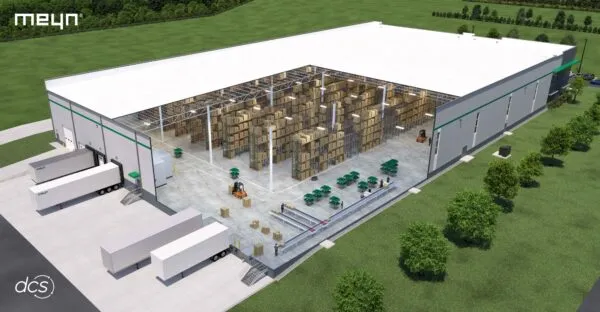
With more than 40 years of experience providing automated system design, installation, and integration services, DCS has created solutions for companies throughout the United States in a broad range of industries and markets. We’ve completed more than 1500 projects ranging from greenfield facilities with completely new systems to expansions and retrofits of existing operations.
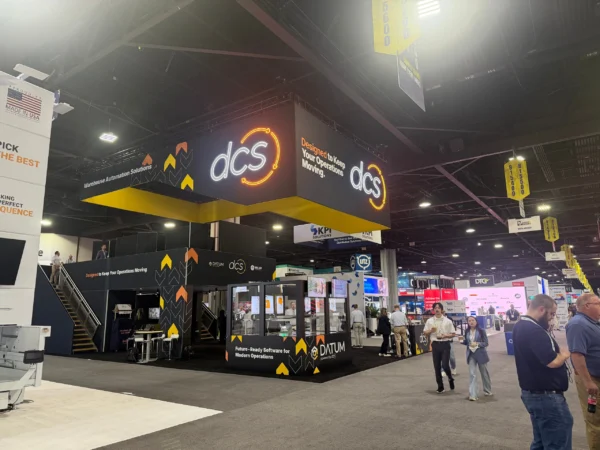
Upcoming Events
Designed Conveyor Systems values building strong relationships with our clients. Join us at our upcoming events to collaborate and discover how we can design a custom warehouse solution tailored to your unique needs.
Industries
Retail Distribution

DCS Delivers for Every Aisle, Channel and Format
From big box chains and grocery to specialty shops, convenience stores (C-stores) and pure-play online retailers, DCS helps distribution centers (DCs) replenish stores and ship to consumers’ doors quickly and accurately. Our material handling and warehouse automation solutions are built around how each retailer actually sells.
Retailers have different requirements depending on their channel, product mix and stock keeping unit (SKU) profile. What they share is the need to get the right product to the store shelf or the customer’s doorstep at the right time.
Retail wears many hats, but at its core it’s about understanding the end consumer and how products reach them, whether through a storefront or a parcel courier. DCS has deep, hands-on experience across several retail channels, including footwear, home improvement, sporting goods and pet retail distribution.

Challenges Facing Retail Distribution

Omni-Channel and Multi-Format Fulfillment
Whether replenishing a department store, a discount chain or a supermarket, or shipping directly to a consumer's door, retailers must serve every channel from the same network without sacrificing speed or accuracy. Supporting e-commerce, in-store pickup and store replenishment at once strains facilities designed for a single purpose. DCS designs omni-channel fulfillment solutions that flex across formats so one network can serve them all.

Divergent Replenishment Models
Not every retailer restocks the same way. Many discount retailers buy closeout, overstock or opportunistic inventory and push it to their stores in bulk. Big box and grocery chains run a pull-based model: a launch push for new or seasonal products, then continuous replenishment as inventory sells. A DC built for one model doesn't automatically work for the other, and networks serving multiple formats often need both, plus the break-pack operations that go with them, in the same facility.

Network Optimization, Last-Mile, and Middle-Mile Pressure
Retail networks built with a handful of regional DCs are now being asked to deliver in two days or less nationwide. That requires rethinking where distribution centers sit, how middle-mile sortation moves inventory between nodes, and how last-mile delivery gets orders to the customer without ballooning transportation costs. Retailers relying on outdated network strategies or too few nodes struggle to hit delivery windows profitably.

Peak Season Volume Swings
Holiday and promotional peaks push retail DCs to their limits, with record-breaking surges becoming the norm rather than the exception. Facilities built for average-day volume often can’t flex to accommodate the compressed windows and order spikes that define peak season across grocery, discount, and specialty formats. This leads to missed service-level agreements (SLAs) and costly overtime labor.

Labor Availability and Rising Costs
From supermarkets to warehouse clubs, retail distribution has always depended on large, flexible labor pools. Those pools are shrinking, and U.S. demographic projections show they will keep shrinking. High turnover, seasonal hiring surges and competition for warehouse labor drive up costs and put fulfillment service-level agreements (SLAs) at risk. Retailers need solutions that reduce dependence on manual labor without giving up flexibility.

Diverse SKU Profiles and Aging Systems
Even within a single big box retailer, handling apparel and footwear looks nothing like handling bags of dog food or cases of paper towels. Add specialty and boutique retail, where products often ship in presentation-level packaging, and one network may need to support small, high-velocity consumer packaged goods (CPG), bulky general merchandise, refrigerated or frozen grocery and fragile specialty products at once. Most facilities also run on legacy original equipment manufacturer (OEM) software and controls that can't keep pace. DCS modernizes aging systems with data-driven visibility before mispicks, stockouts and slowing throughput follow rising SKU counts.
DCS Retail Specialties


How DCS Delivers Retail Distribution Center Automation
DATUM™ WES: Open Architecture Warehouse Execution System
DATUM™ is DCS’ proprietary, open architecture warehouse execution system (WES) that integrates with any warehouse management system (WMS): legacy, commercial or home-grown. It extends visibility across receiving, storage, picking, packing and shipping, and decouples your automation from proprietary OEM software, so your retail operation isn’t locked into a single vendor’s roadmap.
Network Optimization and Facility Planning
The DCS consulting team performs data-driven network optimization that evaluates DC placement, inventory allocation and transportation strategy across your footprint. It shows where consolidating, adding or repositioning nodes cuts middle-mile and last-mile costs while speeding delivery to every format you serve, so you get the most from existing assets and capital spending.
Dark DC and Micro-Fulfillment Strategies
For retailers facing labor constraints and last-mile pressure, DCS designs dark DC and micro-fulfillment solutions. These highly automated, minimally staffed facilities can sit closer to customers, including in repurposed retail space. Compact and dense, they reduce reliance on labor and shorten delivery distances for e-commerce and buy-online-pick-up-in-store (BOPIS) orders.
Peak-Ready, Scalable Automation
Based on your data, DCS engineers systems that absorb peak-season volume without a peak-season headcount. From goods-to-person automation and autonomous mobile robots (AMRs) to flexible sortation and parcel handling, your DC scales up for the holiday surge and back down the rest of the year, protecting both service levels and labor budget.
Flexible, Technology-Independent System Design
Whether you’re a grocery chain centralizing slow-moving SKUs, an outlet retailer moving off a third-party logistics (3PL) provider or a discount retailer scaling a proven design across dozens of locations, DCS builds modular solutions based on your inventory and process data, so one design strategy can be replicated network-wide.
Automated Mixed-SKU Palletizing for Store Replenishment
Building store pallets from heavy, bagged goods like pet food, flour, sugar, mulch and potting soil is one of the most physically demanding jobs in retail distribution, and mixed-SKU pallets are hard to automate well. DCS engineers automated mixed bag palletizing solutions that build stable, sequenced pallets matching each store’s planogram with no human handling. The result is fewer ergonomic injuries, lower turnover and pallets that arrive in aisle order, so associates restock shelves faster.
Built to Support 3PL Partners, Too
3PLs are a major part of the retail landscape, especially for smaller and specialty retailers without the volume or capital for a dedicated warehouse. DCS designs facilities and software for 3PL operators that onboard multiple retail clients, handling different SKU profiles, packaging requirements and replenishment models in one efficiently run facility.
Retail Distribution Case Studies
With more than 40 years of material handling experience, DCS delivers measurable results for retail DCs.
DCS has helped major retailers across every format, including department stores, discount and grocery chains, specialty and outlet retailers, warehouse clubs, convenience stores and online-only brands, overcome:
- Omni-channel and multi-format fulfillment demands
- Divergent push and pull replenishment models
- Fragmented, outdated distribution networks
- Last-mile and middle-mile cost and speed pressures
- Unpredictable peak-season volume
- Labor shortages and rising workforce costs
- Restrictive OEM software, hardware and controls
DCS Retrofits Live Footwear Retail Warehouse Without Disrupting Throughput
Problem: A footwear retailer’s aging PC-based controls needed replacement with standardized PLCs and real-time operational visibility, but the facility couldn’t afford any downtime while processing over 10,000 SKUs daily across two shifts.
Solution: DCS executed a phased, tightly coordinated retrofit, sequencing control panel swaps by pick module around peak volume cycles, validating software via parallel testing before hardware cutover, and deploying its DATUM™ warehouse execution system (WES) alongside the new PLC network.
Results: The retrofit delivered a more reliable, maintainable, and data-rich operation with zero unplanned outages, improved real-time visibility into material flow, and a scalable PLC foundation ready to support future automation and labor-management upgrades.
Superior Communications Boosts Throughput with New WES
Problem: Superior Communications’ explosive order volume and growing inventory count outpaced its legacy systems, limiting visibility, flexibility, and fulfillment efficiency.
Solution: DCS implemented its DATUM™ warehouse execution system (WES) to enhance replenishment, order flow visibility, labor planning, tote tracking, and packing efficiency without replacing the existing warehouse management system (WMS).
Results: In just five weeks, DATUM™ improved picking rates by 40%, increased pack-out efficiency by 20%, and enabled faster onboarding, greater order accuracy, and scalable automation readiness.
DCS Automates Mixed-Pallet Building for Pet Food Distribution
Problem: Building mixed-SKU pallets by hand from 10- to 50-pound bags exposed associates to ergonomic strain, driving injuries and turnover, while manual planogram sequencing slowed replenishment and risked damaged product.
Solution: DCS engineered an automated work cell combining AMRs, gantry-mounted robotic arms with AI vision, and its DATUM™ warehouse execution system (WES) to pick, sequence, and build planogram-matched pallets without human handling of bags.
Results: The system builds about 28 pallets per hour with no human intervention, reducing injuries and turnover, speeding store-level restocking, and cutting product damage, all within a scalable layout that adapts to changing SKU mixes.
Frequently Asked Questions
Retail distribution center automation uses conveyors, sortation, robotics and warehouse execution software to move products through a DC with less manual handling. It helps retailers replenish stores and fill online orders faster and more accurately, handle peak volume without adding headcount and keep labor costs under control.
In a push model, the DC sends inventory to stores in bulk as soon as it’s acquired, so it needs high-volume receiving and outbound flow. In a pull model, stores are restocked as products sell, which calls for break-pack picking, frequent smaller shipments and tighter inventory visibility. Many DCs need to support both.
Yes. DATUM™ is an open architecture warehouse execution system that integrates with legacy, commercial or home-grown warehouse management systems (WMS). It adds visibility and control across receiving, picking, packing and shipping without replacing your WMS, and it isn’t tied to a single automation vendor.
Design for peak from the start. Scalable automation like goods-to-person systems, autonomous mobile robots (AMRs) and flexible sortation lets a DC ramp up for holiday surges and scale back the rest of the year. Data-driven design sizes each system to your real order profile, protecting service levels and labor budgets.
A dark DC is a highly automated facility that runs with minimal staff. A micro-fulfillment center is a small, dense operation located close to customers, sometimes in repurposed retail space. Both shorten delivery distances for e-commerce and buy-online-pick-up-in-store (BOPIS) orders while reducing reliance on labor.