


















Parcel Handling
Package Handling
DCS’s design and engineering team has more than 40 years of experience creating unique parcel handling systems for diverse customer applications. With installations including semi-automated handling in small city distribution centers and fully automated, integrated hubs with advanced conveyor and sorter equipment, DCS routinely thinks outside the box.
E-Commerce Multi Channel Fullfillment
E-Commerce and Multi-Channel Fulfillment
DCS designs and implements end-to-end warehouse automation solutions for e-commerce and multi-channel retailers that address numerous workflow challenges. This includes solutions for receiving, putaway, storage, replenishment, order fulfillment, picking, packing, sortation, and outbound shipping. Our custom integrated warehouse, distribution, and fulfillment systems draw from a deep pool of conventional, semi-automated, and automated material handling technologies.
DCS
Various Distribution Applications
Whether an operation is considering the construction of a new distribution or fulfillment center, or a retrofit or expansion of an existing facility, it’s important to create a solution that fits the overarching supply chain strategy. DCS has four decades of experience designing and integrating comprehensive, end-to-end material handling solutions that meet a multitude of operational goals. Whether conventional, semi-automated, or fully automated, DCS can help your organization implement a custom solution that meets its goals while maximizing return on investment (ROI).
Two Warehouse Consultants prepared to improve warehouse automation processes and efficiency.
Supply Chain Consulting
The DCS Supply Chain Consulting team offers a range of services to help your operations address the challenges it faces. Working in partnership with you, DCS consultants analyze your business data- existing workforce, workflow processes, inventory, order data, operations, and more- to determine a strategy that addresses your unique needs. Whether you need an operations assessment, process improvement recommendations, or distribution design services, DCS consultants will help guide you to the material handling system or operational solution that best meets your current and future needs, as well as your budget.
Supply Chain Management - SCM - Conceptual Illustration
Distribution Center Design Consulting
DCS provides distribution center design and warehouse design consulting for new facilities, expansions, and existing warehouse retrofits. Using operational data, the DCS consulting team develops facility layouts, processes, material handling strategies, and automation concepts based on the unique requirements of each operation.
Smart warehouse management system using augmented reality technology
Warehouse Automation Consulting
DCS provides warehouse automation consulting to help distribution and fulfillment operations determine where automation makes sense, what level of automation is appropriate, and how potential solutions align with operational and financial goals.
Smart warehouse management system for real time monitoring products storage shipping.  Computer logistics screen showing inventory dashboard stock control software.
Operations Assessment & Optimization Consulting
DCS provides warehouse and distribution center operations with assessment and optimization consulting to help identify inefficiencies, improve productivity, and develop a clear path toward better performance.
Global Logistics Network with Digital Icons and Businessman in Background
Supply Chain Strategy & Optimization Consulting
DCS provides supply chain strategy and optimization consulting to help organizations define how their distribution operations should evolve to support broader business goals.
Businessman using digital tablet with warehouse management system dashboard on screen, monitoring inventory, delivery, and supply chain analytics in smart logistics distribution center
Warehouse Technology & Software Consulting
DCS provides warehouse technology and software consulting to help organizations assess existing systems, define requirements, and develop a technology strategy aligned with their operational needs and future goals.
Logistic worker staff colleague in safety suit holding computer laptop working in a warehouse store
Supply Chain Network Design & Optimization Consulting
DCS provides supply chain network design and optimization consulting to help organizations determine how facilities, inventory, transportation, and fulfillment should work together across their distribution network.
Customer Support
Customer Support
Keeping your warehouse operations and material handling systems running smoothly and at the peak of productivity are the goals of DCS’ Customer Service Team. By partnering with DCS, your warehouse automation solution is supported from commissioning to end of life. You’ll receive comprehensive in-house training of your personnel, including specialized training of your designated internal system expert. Plus, DCS offers a complete package of spare parts and expert system troubleshooting support from qualified engineers dedicated to your installation.
System Design and Integration
System Design & Integration
DCS offers a broad range of material handling equipment and automated system design, installation, and integration services for a multitude of projects. These include retrofits, expansions, upgrades, and more. While every project is unique, our system design and execution processes are the same, encompassing meticulous attention to detail, frequent communication, and a dedicated partnership with our clients.
Cover Photo - Lifecycle Services-compressed
Lifecycle Services
Stop reactive repairs. Lifecycle Services provides expert preventive maintenance and 24/7 technical support to protect your automation and MHE availability.
Warehouse worker walking an aisle of stocked pallet racks with digital inventory overlays
Retail Distribution
Designed Conveyor Systems (DCS) engineers retail distribution center automation, warehouse execution software and material handling systems that keep stores stocked and orders moving through every channel and season.
Woman opening a bag of dry dog food next to her dog
Pet Care
Pet food distribution operations are anything but standard. From bulky kibble bags to delicate fish tanks, stock keeping unit (SKU) complexity and fulfillment pressure are always on the rise. Designed Conveyor Systems (DCS) partners with leading pet retailers to design and engineer automation, software, and material handling systems that keep operations agile, accurate, and ready for what’s next.
Warehouse team checking cartons stored on pallet racks
Home Improvement
When your distribution center handles everything from hammers to hot tubs, operational complexity isn’t a challenge—it’s your daily reality. Home improvement retailers face intense pressure to meet rising consumer expectations across multiple channels—from in-store pickups to last-mile delivery. At Designed Conveyor Systems (DCS), we specialize in engineering material handling and automation solutions that help home improvement distribution centers keep pace, reduce cost, and drive accuracy at scale.
Sales associate showing outdoor gear to a customer at a store counter
Sporting Goods
Navigating the unique demands of the sporting goods retail industry requires a distribution strategy that’s both agile and precise. From handling seasonal surges to managing a diverse range of products—from bulky equipment to small accessories—your warehouse operations are the key to a seamless customer experience. Our expertise helps sporting goods retailers streamline their distribution warehouses, improving order accuracy, boosting productivity, and ensuring your team can efficiently move products from the receiving dock to the final customer, no matter the season.
Shoe Aisle
Footwear
In the fast-paced world of footwear retail requires a distribution strategy that can handle a vast array of styles, sizes, and seasonal trends with precision and speed. From managing a high volume of SKUs to ensuring accurate order fulfillment and returns processing, your distribution center is the engine that drives customer satisfaction and brand loyalty. Our expertise helps footwear retailers streamline their distribution centers, improving inventory management, accelerating order processing, and ensuring your team can efficiently move products from the receiving dock to the final customer, no matter the season.
Confident doctor shaking patient's hand
Life Science & Healthcare
Pharmaceutical, healthcare, and life science companies face mounting pressure from evolving regulatory requirements, rising fulfillment costs, and intensifying accuracy demands. In this environment, automation isn’t optional—it’s essential. Designed Conveyor Systems (DCS) helps distributors of these critical products stay compliant and competitive.
Wholesale & Industrial Distribution
Designed Conveyor Systems (DCS) partners with wholesale, industrial, and electronics distributors to design efficient, optimized fulfillment solutions. Every operation DCS designs streamlines end-to-end functional processes—from inbound receiving and putaway to picking, packing, and shipping. Designed Conveyor Systems (DCS) partners with wholesale, industrial, and electronics distributors to design efficient, optimized fulfillment solutions. Every operation DCS designs streamlines end-to-end functional processes—from inbound receiving and putaway to picking, packing, and shipping.
DCS Black Logo
About Us
Designed Conveyor Systems (DCS) has 40 years of experience serving major clients in multiple industries by providing material handling, full-scale warehouse operations, and conveyor design solutions that are custom crafted for their needs. DCS does not sell ready-made conveyor systems but builds relationships that empower collaboration to craft custom warehouse designs together. DCS utilizes consulting, engineering design, project management, installation services, and client support to ensure our customers can keep their promises to deliver on time.
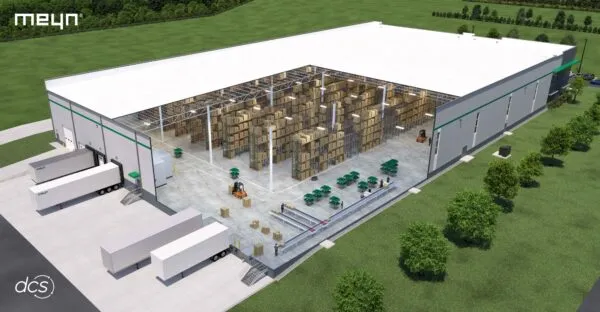
Projects _ Meyn
Projects
With more than 40 years of experience providing automated system design, installation, and integration services, DCS has created solutions for companies throughout the United States in a broad range of industries and markets. We’ve completed more than 1500 projects ranging from greenfield facilities with completely new systems to expansions and retrofits of existing operations.
Upcoming Events
Upcoming Events
Designed Conveyor Systems values building strong relationships with our clients. Join us at our upcoming events to collaborate and discover how we can design a custom warehouse solution tailored to your unique needs.
Warehouse Technology & Software Consulting

Build the Right Technology and Software Strategy for Your Operation

DCS provides warehouse technology and software consulting to help organizations assess existing systems, define requirements, and develop a technology strategy aligned with their operational needs and future goals.

From warehouse management system (WMS) and warehouse execution system (WES) software to labor, transportation, controls, and other supply chain technologies, DCS’ consultants can determine what capabilities your operation needs and how systems should work together to support them.

Whether you’re replacing a legacy WMS, evaluating new warehouse software, preparing for automation, or determining how existing systems can work better together, the DCS consulting teamhelps connect technology decisions to the operation they need to support.
Talk to a Warehouse Technology Consultant
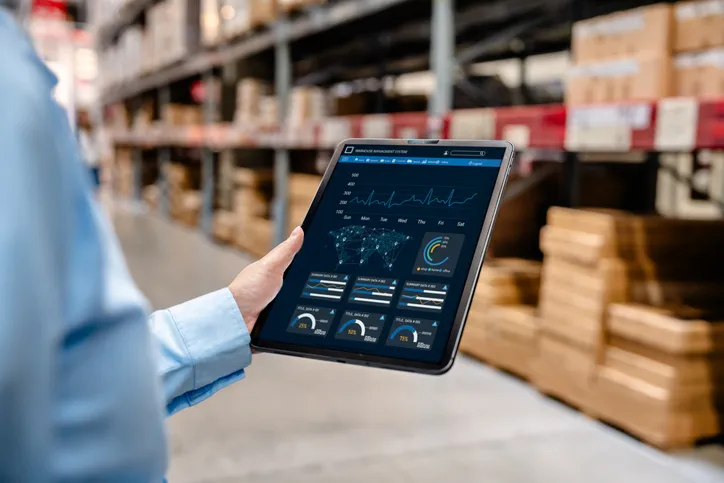
Businessman using digital tablet with warehouse management system dashboard on screen, monitoring inventory, delivery, and supply chain analytics in smart logistics distribution center

— What Is Warehouse Technology & Software Consulting?

Warehouse technology consulting — sometimes referred to as warehouse software consulting — helps organizations assess and plan the systems and digital capabilities needed to manage, execute, and support distribution operations.

A warehouse technology consultant can assess existing systems, identify functional gaps, define future requirements, and develop a warehouse technology and software strategy based on the needs of the operation.

Depending on the facility, this may include:

  • Warehouse Management Systems (WMS)
  • Warehouse Execution Systems (WES)
  • Warehouse Control Systems (WCS)
  • Labor Management Systems (LMS)
  • Transportation Management Systems (TMS)
  • Voice and other picking technologies
  • Enterprise Resource Planning (ERP) system integrations
  • Automation software and controls
  • Data, reporting, business intelligence, and operational visibility tools

The objective isn’t simply to add more software or technology. It’s to establish the right technology environment to support the operation today and as it evolves.

Warehouse Technology & Software Consulting Services

Warehouse software decisions can affect nearly every process within a distribution operation.

DCS’ consultants combine operational and technology expertise to help organizations understand their requirements and develop a practical path forward.

Available warehouse technology and software consulting services include:

  • Current-state warehouse technology assessments
  • Warehouse software assessments
  • Supply chain execution software assessments
  • Warehouse technology strategy and roadmap development
  • Business and functional requirements development
  • WMS strategy and evaluation
  • WES and WCS strategy
  • LMS and labor technology evaluation
  • TMS and transportation technology evaluation
  • Voice and picking technology evaluation
  • Systems integration requirements
  • Technology architecture planning
  • Software functionality and gap analysis
  • Business case development
  • Implementation planning
  • Program and project management
  • Testing and deployment planning
  • Training and change management
People, warehouse and above for logistics, boxes and inspection for packaging, shelf and safety check. Group, engineer and employees with stock, distribution and inventory management for supply chain

Start with the Operation, Not the Software

Technology should support how your distribution operation needs to work—not force the operation to work around the limitations of its systems.

Before determining the right warehouse software or technology strategy, DCS’ consultants work to understand your current processes, business requirements, and future goals.

That may include questions such as:

  • What operational problems are you trying to solve?
  • Where are your current systems creating limitations?
  • What software capabilities do your teams actually need?
  • Which existing capabilities aren’t being fully utilized?
  • Where are manual processes or workarounds creating inefficiencies?
  • How will warehouse systems need to communicate with one another?
  • What future automation or operational changes should the technology support?
  • Can existing platforms be extended, or is a larger change needed?

Defining operational requirements first creates a stronger foundation for warehouse technology decisions.

Assess Your Current Warehouse Technology and Software

A new system isn’t always the answer.

Before making a significant warehouse software investment, DCS can evaluate how well current platforms support the operation and identify gaps between existing capabilities and future requirements.

A current-state warehouse technology assessment may consider:

  • Existing WMS, WES, WCS, LMS, and TMS platforms
  • ERP and enterprise system integrations
  • Automation and controls interfaces
  • Current software functionality and utilization
  • Manual processes and workarounds
  • Data availability and operational visibility
  • Integration limitations
  • System scalability
  • Supportability and technology lifecycle
  • Future operational requirements

This analysis can help determine whether the right path is to better utilize an existing platform, add capabilities, introduce another technology layer, or plan for a larger system change.

Close up Hispanic men hands using pen touch smart tablet Warehouse management logistics counting checking products on inventory shelf. Man hands worker check stock control in distribution storage

WMS, WES, or WCS? Determine What Your Operation Actually Needs

Warehouse software categories increasingly overlap, and the role each system plays can vary depending on the complexity of the operation, existing technology and level of automation.

A warehouse management system (WMS) typically manages inventory and core warehouse processes.

A warehouse control system (WCS) typically provides real-time control and communication with automated material handling equipment.

A warehouse execution system (WES) can provide an additional layer of execution and orchestration, helping coordinate work, resources, systems,and automation across the operation.

The right warehouse software architecture may involve one of these systems or multiple platforms working together.

The DCS consulting team evaluates your processes, existing technology, automation, and future requirements to determine which capabilities are needed and how systems should interact.

Learn the differences among WMS, WES, and WCS.

Get More From the Warehouse Software You Already Have

Modernizing a warehouse doesn’t necessarily mean replacing every existing platform.

In some operations, an existing WMS or ERP may continue to perform important functions effectively while additional technology provides greater execution, orchestration, visibility, or automation integration.

DCS can evaluate how existing warehouse systems fit within the future-state technology architecture and identify where additional capabilities may be needed.

This approach can help organizations focus technology investments on solving specific operational gaps rather than replacing systems simply because newer options are available.

A worker is using tablet to review storage report - Business management and technology concept photo.

Connect Warehouse Software With Automation

As distribution centers become more automated, the relationship between software and physical systems becomes increasingly important.

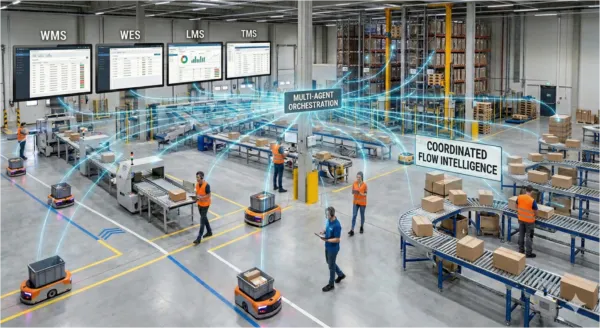
A warehouse may have a WMS managing inventory, a WES coordinating execution, control systems communicating with equipment and multiple automation technologies performing individual processes.

Those systems need to work together.

DCS brings warehouse software, material handling and automation expertise to the consulting process, helping organizations consider technology, controls and operational processes as parts of the same environment.

When an organization is also determining where and how physical automation should be deployed, a Warehouse Automation Consulting engagement can provide deeper analysis.

Explore Warehouse Automation Consulting

Define the Warehouse Software Capabilities You Need

Technology decisions should begin with clear operational requirements.

DCS can help translate those needs into business, functional, and integration requirements that define what the future warehouse technology environment needs to accomplish. Clear requirements help create alignment between operational needs and warehouse software decisions.

Requirements may address areas such as:

  • Receiving and inbound processes
  • Inventory management
  • Replenishment
  • Order planning and release
  • Picking and fulfillment
  • Labor management
  • Packing and shipping
  • Transportation
  • Automation integration
  • Exception management
  • Reporting and analytics
  • Operational visibility
  • Systems integration
  • Scalability and future growth
Woman Analyzing Warehouse Data on Computer

— Warehouse Technology in Action

Building on Existing Technology at Superior Communications

As Superior Communications’ fulfillment operation became more complex, the company began evaluating whether it needed a more robust warehouse management system.

DCS worked with Superior to understand its operational and technology requirements and ultimately implemented DATUM to complement its existing WMS.

The resulting technology architecture expanded warehouse execution capabilities and operational visibility while allowing Superior to continue leveraging technology already in place.

Read the Superior Communications Case Study

Build a Warehouse Technology Roadmap

Not every technology investment needs to happen at once.

DCS can help organizations develop a distribution center technology roadmap that defines the software and digital capabilities needed today and how the technology environment should evolve as the operation changes.

A warehouse roadmap may consider:

  • Immediate software and technology gaps
  • Existing systems that can continue to support the operation
  • Systems approaching end of life
  • Integration priorities
  • Future automation requirements
  • Data and visibility needs
  • Growth and scalability
  • Implementation dependencies
  • Investment priorities
  • Recommended sequencing

This creates a clearer path for technology investment while reducing the risk of implementing disconnected warehouse systems that don’t support the longer-term strategy.

Hands, architect and tablet for blueprint in logistics warehouse for building, design and expansion. Contractor, people and scrum on app for floor plan, review or meeting in factory for supply chain

From Warehouse Technology Strategy to Implementation

Developing your distribution center technology and software strategy is only part of creating a successful operating environment.

DCS can support organizations through implementation planning, program and project management, testing, deployment, and training to help translate warehouse software requirements into an operational solution.

When the strategy involves warehouse automation, systems integration, or DCS software capabilities, additional DCS teams can support subsequent phases as appropriate.

This creates a connected path from operational requirements and technology planning through implementation while keeping the initial focus on what the operation needs to accomplish.

When Should You Reevaluate Your Warehouse Technology?

Organizations may benefit from a warehouse technology or software assessment when one (or more) of these situations occurs:

  • A WMS or other core platform is approaching end of life
  • Existing warehouse software no longer supports operational requirements
  • Manual workarounds have become common
  • Systems don't communicate effectively with one another
  • Data or operational visibility is limited
  • New warehouse automation is being considered
  • The operation has significantly grown or changed
  • A new distribution center is being planned
  • Existing systems may not support future growth
  • The organization is considering replacing its WMS
  • Legacy systems are limiting future capabilities
  • Leadership needs a long-term warehouse technology roadmap
Green Logistics Planning in Warehouse

The first question shouldn’t always be: “What software should we buy?”

It should be: “What capabilities does our operation need?”

How Warehouse Technology & Software Consulting Connects to Other DCS Services

Operations Assessment & Optimization Consulting
Distribution Center Design Consulting
Warehouse Automation Consulting
Simulation & Analysis Consulting
|
consulting-operations-assessments
Question | Are your current processes, systems, and technology supporting your operation effectively?

An operations assessment can identify performance gaps and determine whether processes, technology, equipment, or other factors are contributing to them.

Explore Operations Assessment & Optimization Consulting
dc-design-services
Question | What technology will a new or redesigned facility require?

Warehouse technology planning can be incorporated into distribution center design so your software, processes, material flow, and automation are considered together.

Explore Distribution Center Design Consulting
Warehouse-Automation-1
Question | How should software support your automation strategy?

The DCS consulting team can evaluate your physical automation opportunities alongside the warehouse software, controls, and integration capabilities required to support them.

Explore Warehouse Automation Consulting
Isometric view of a Warehouse,The transport vehicle uses a robotic arm.,robots to pick up the goods. using automation in product management, 3D rendering
Question | How will your proposed operation or system perform?

Simulation and operational analysis can help validate complex processes and automation concepts before implementation of your solution.

Explore Simulation & Analysis Consulting

Warehouse Technology & Software Consulting FAQs

A warehouse technology consultant evaluates the software and digital systems supporting a distribution operation. The consultant then identifies gaps, defines future requirements, and helps develop a technology strategy based on current and future operational needs.

Warehouse software consulting focuses on assessing, planning. and improving the software systems used to manage and execute warehouse operations. This may include WMS, WES, WCS, LMS, TMS and related systems, integrations, and digital capabilities.

A new WMS may be appropriate when an existing platform can no longer support required functionality, scalability, integrations, or business processes. However, replacing the WMS isn’t always necessary. A warehouse technology assessment can help determine whether the existing system can continue to support the operation, be better utilized, or be complemented with additional capabilities.

A WMS typically manages inventory and core warehouse processes. A WCS typically provides real-time control and communication with automated equipment. A WES can provide execution and orchestration capabilities that coordinate work, resources, systems, and automation. The roles of these platforms can overlap depending on the technology architecture and operation.

Yes. Depending on the technology environment, a WES can work alongside an existing WMS to provide additional execution, orchestration, visibility, or automation integration capabilities.

Yes. Warehouse technology requirements can be developed alongside a distribution center design consulting engagement. This considers software, processes, material handling, and automation as integrated parts of the same future operation.

DATUM is DCS’s warehouse execution software (WES) that provides capabilities for coordinating and optimizing warehouse execution. A warehouse technology consulting engagement begins more broadly with the operational requirements and future technology architecture. When warehouse execution capabilities are part of those requirements, DCS’s software expertise provides additional practical insight into how those capabilities can support the operation.

Yes. DCS brings experience across warehouse software, controls, material handling, and automation. This allows for consideration of technology requirements alongside the physical systems, equipment, and processes they need to support.

Yes. Depending on the strategy and technology involved, DCS can provide implementation planning, program and project management, testing, deployment, and training support. DCS’s software and systems integration teams can also support subsequent phases when appropriate.

Build A Technology Strategy Around Your Operation

The right warehouse technology isn’t defined by the longest software feature list. It’s defined by how well the technology supports your people, processes, automation and business objectives.

DCS combines supply chain consulting, warehouse software expertise and real-world systems integration experience to help you understand what you have, determine what you need and build a practical path forward.